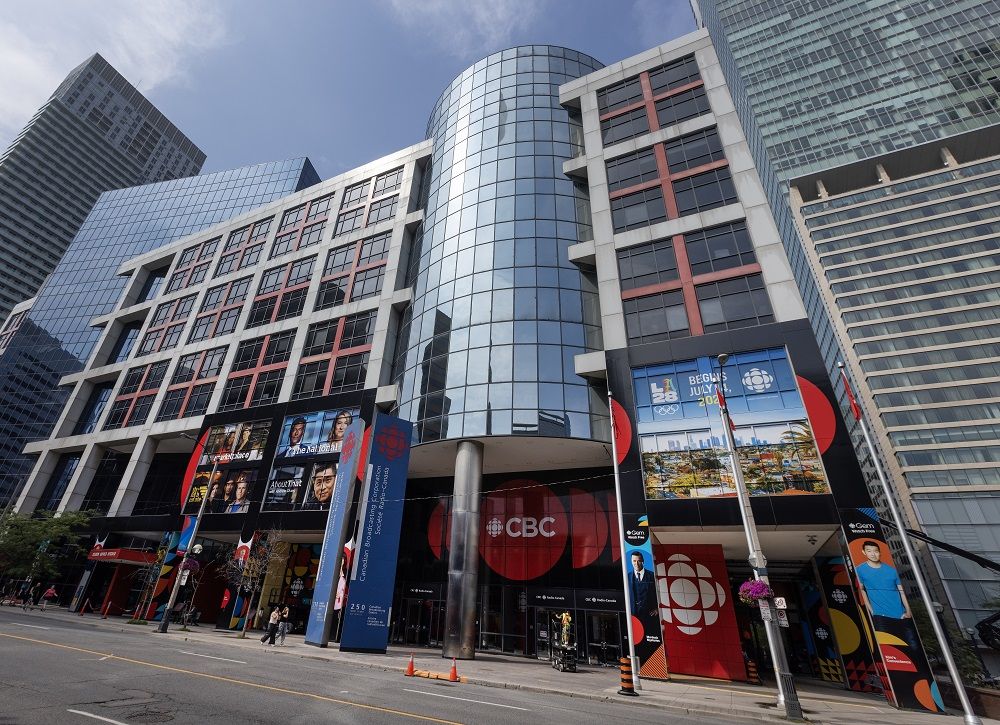
A resurfaced CBC Kids video about the Remembrance Day poppy has been taken down after sparking online outrage among Canadians.
asserted
video → resurface → Canadians
The 2021 video, which CBC Kids kept up on its YouTube channel for five years until Tuesday, explains why Canadians wear poppies on Remembrance Day, along with the Royal Canadian Legion’s annual poppy drive to support veterans and their families.
asserted
Canadians → keep → veterans
(Donations can be made on the Legion’s website).
asserted
Donations → make → website
But along with explaining the history of the poppy and how it represents support for Canadians who served in wars and died for their country — as one might expect a taxpayer-funded broadcaster to do — the video takes a woke turn.
uncertain
video → explain → turn
CBC Kids turns up the wokeness
asserted
Kids → turn → wokeness
Once the staff at the CBC conclude the veteran-friendly preamble, they go straight into the identitarian, culture-warrior message.
asserted
they → conclude → message
“Some feel that the red poppy focuses too much on soldiers and can be perceived as glorifying war,” the video argues.
asserted
video → feel → war
“While the Legion disagrees with this, multicoloured poppies have sprung up as a result.”
asserted
poppies → disagree → result
Then comes the colour guide: White poppies representing peace and all victims of war, including civilians; black poppies representing contributions of African, Caribbean and Pacific island communities to war; purple poppies for the animals harmed and killed in wars; and finally, rainbow poppies for the contributions LGBTQ communities have made to war efforts.
asserted
communities → come → efforts
Video even goes after Grapes
Not content to leave it there, the video takes square aim at Don Cherry, claiming the former hockey broadcaster (the CBC video fails to mention he used to be a broadcaster there) and Canadian icon used poppies to purposely single out immigrants.
asserted
he → go → immigrants
“In 2019, broadcaster Don Cherry complained on how people — and he singled out newcomers to Canada — don’t wear the poppy.
asserted
he → complain → poppy
As a result he was fired,” it says.
asserted
it → fire → result
The Toronto Sun contacted the Royal Canadian Legion’s media office in Ottawa for a comment, but has not received a reply.
RECOMMENDED VIDEO
Outrage not too far behind
The video has gone viral again on social media and Canadians aren’t too happy about its message.
asserted
Canadians → contact → message
It is a specific, long-standing symbol of remembrance for those who served and died in Canada’s wars and for the support of veterans and their families,” posted one X user.
asserted
user → stand → veterans
“Of course CBC was trying to make the poppy divisive,” posted another.
asserted
another → try → ?
Postmedia columnist Jamie Sarkonak posted: “In 2026, CBC Kids News is still promoting the white poppy by giving it positive coverage and omitting the fact that it’s widely considered offensive.
asserted
it → post → fact
As for the purple poppy, which seems to be a fringe movement unworthy of national broadcaster coverage, CBC Kids reports that it’s an appropriate way to recognize animals in war service.
asserted
it → seem → service
The red poppy represents war dogs just fine, along with all other veterans.
asserted
poppy → represent → veterans
Activists take aim at Remembrance Day
asserted
Activists → take → Day
Activist group World Beyond War even has a handbook for Canadian teachers that encourages them to “challenge militarism” in the classroom on Remembrance Day.
asserted
that → have → Day
The handbook goes further, encouraging grades 1-3 students to “draw your own white poppies or make them from paper plates or cupcake holders.
asserted
handbook → go → plates
It asks grade 4-6 students to “explore cultural promotion of war and militarism that surrounds us in our daily lives.
asserted
that → ask → lives
This might look like toys sold at local stores, an annual air show … or other media that glorifies war, weapons and violence.”
uncertain
that → look → war
It then charges straight into activism, demanding grades 7-12 students “lobby your member of Parliament — get your priorities straight!”
asserted
students → charge → priorities
“Students can let their member of Parliament know what they think Canada’s priorities should actually be and remind them of the values that are most important to them,” it says.
asserted
it → let → them
“They can express this through a letter, poem, song, drawing, video, social media post, at a protest at the MP office or at a meeting with their MP.
asserted
They → express → MP
Students: Your voice is powerful and you can advocate for change.”
asserted
you → advocate → change
 The Aporia