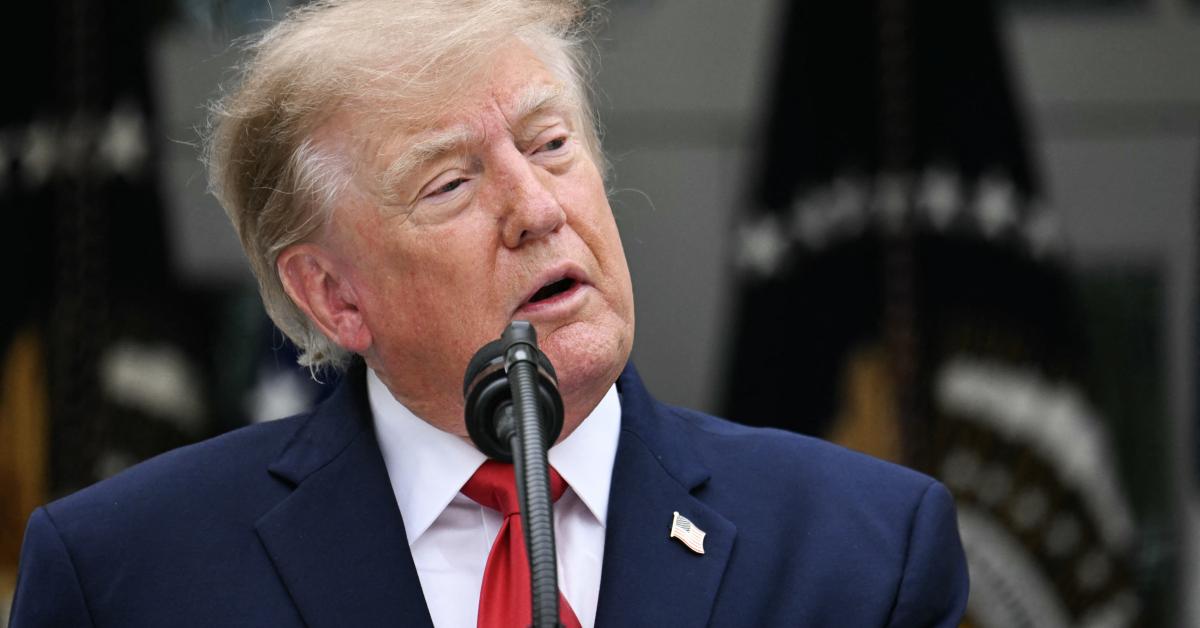
Photo via Washington Examiner

Inauthentic social media activity sought to sow distrust in midterm elections, report finds

Read the original at Washington Examiner ↗
Cite

Zimmermann, D. (2026, November 10). Inauthentic social media activity sought to sow distrust in midterm elections, report finds. Washington Examiner. https://www.washingtonexaminer.com/policy/technology/4798575/inauthentic-social-media-distrust-before-polls-closed-midterm-elections-sleep-accounts/

Dated from the outlet's own feed. Check the original for its byline.

Washington Examiner · collected 2026-11-10 · by David Zimmermann

Quick Summary

A recent report by Cyabra, an AI-powered software firm, identifies a surge of fake social media activity aimed at undermining trust in the results of five midterm elections. The company claims that this disinformation campaign did not alter election outcomes but raised concerns over how such narratives could influence public perception and media analysis of voter sentiment in key races like Ohio’s gubernatorial race and Senate contests in Michigan, Maine, and Kansas.
Written by AI on 2026-11-10, from this article's own text only (the story summary below draws on all the coverage).

AI analysis

Story summary

An AI-powered software company called Cyabra recently released a report indicating that inauthentic social media activity aimed to sow distrust during the midterm elections. The report specifically examined five elections: gubernatorial races in Ohio and Georgia, and Senate races in Michigan, Maine, and Kansas. According to Cyabra, this disinformation did not alter any election outcomes but had a significant impact on public perception, influencing how journalists and pollsters interpret voter sentiment. The company highlighted the role of narrative attacks in shaping opinions about these critical races without directly affecting their results.

Written for “Inauthentic Social Media Activity Report” on 2026-11-11, grounded in this article and the 0 other(s) covering the same event.
Why this leaning score
The article's own words the score was based on. Each is quoted verbatim and was checked against the article text before being stored, so you can find it in the original.
Reading Leans left (beta estimate) Confidence high
Leaning: leans left for article 142666 (high confidence, 1 verified quote) · logged 2026-11-10

Story

Inauthentic Social Media Activity Report
Politics · 1 article(s) covering the same event.

Compared with similar articles

This article reads leans left and hedges 67% of its claims. Each row says how that neighbour differs.
The Dispatch
Leans left Hedges 1 of 3 claims Outlet record 61/100
“Article A discusses the impact of AI on the midterm elections generally, while Article B focuses specifically on inauthentic social media activity trying to sow distrust during the final weeks before the election.”
Just The News
Hedges 1 of 8 claims Outlet record 95/100
“Article A discusses Trump's personal claims about voter fraud affecting election results, while Article B reports on a company's findings regarding social media manipulation to sow distrust in the elections.”
The Independent
Hedges 2 of 30 claims Outlet record 59/100
“Article A discusses Trump's denial of the election results six days after the midterm elections, while Article B talks about a report on inauthentic social media activity that sought to sow distrust before and during the elections.”
How this article was measured signals, leaning charts, publisher record, byline, topics and claims

Signals How these are calculated →

Claims extracted
3
sentences that state something as happening or true
Uncertain
67%
2 of 3 hedged ("reportedly", "may", "according to")
Leaning
Leans left
of the writing, not the subject · beta estimate
Publisher signals
68/100
Washington Examiner's corrections and hedging, across everything collected from it. Not a measure of accuracy.
Outlets on this story
1
Politics
Same framing elsewhere
1
articles that frame the event the way this one does
Analyzed 2026-11-10 · how these are computed

How this is being covered How these are calculated →

Article leaning vs. publisher reliability
Source leaning vs. consistency

Publisher

Washington Examiner · 4595 article(s) · 9 correction(s) detected
Running correction rate · 9 correction(s)

Who wrote this

David Zimmermann
137 article(s) here · 1 carrying a prediction
Rather, the company’s concern rested primarily in how narrative attacks shaped public perception regarding these races, which, in turn, affect how journalists or pollsters may evaluate voter sentiment.
“Tesla will be winding down production of the Cybertruck at Gigafactory Texas around the middle of next year to make room for increased Cybercab production,” Musk posted on X early Friday morning.
Secretary of State Marco Rubio will be headlining the Federalist Society’s National Lawyers Convention next week, marking his first speech following the midterm elections.
Scalise warned House Democrats will enact “retribution” against Republicans and launch “countless witch hunts” in the name of “oversight” investigations.
The road map includes policy and funding recommendations that could affect all states, not just Illinois.
Though Democrats are now poised to control the House and Senate, Trump has expressed his intent to use his veto power for any Democrat-led bill that may cross his desk during his last two years in office.
2026-11-04 · assertive framing · Takeaways from the 2026 midterm elections
Sen. Ashley Moody (R-FL) will be serving her first full six-year term after defeating socialist challenger Angie Nixon in the general election on Tuesday.
Recommended Stories “Why would I care to have a conversation with you?” el Sayed said in the recorded interaction, adding that he wants “zero” votes in the United Kingdom.
The message, allegedly posted on Facebook on April 23, reads: “ALL J6 Federal JUDGES will be EXECUTED!”
Vice President JD Vance will no longer be traveling to Minnesota to hold a press conference on fraud later Friday.
Also by David Zimmermann
Nothing else under this byline is closely related to this article, so these are simply their most recent.
All 137 articles by David Zimmermann →

Topics

Cyabra Georgia Michigan Ohio Senate

Subjects

Georgia GPE · 1× Kansas GPE · 1× Maine GPE · 1× Michigan GPE · 1× Ohio GPE · 1× Senate ORG · 1×

Narrative

An AI-powered software company called Cyabra maintains that the inauthentic activity did not change the outcome of any of the five elections listed in its report: the gubernatorial races in Ohio and Georgia and the Senate races in Michigan, Maine, and Kansas.
framing: speculative · carried by 1 article(s) · first seen 2026-11-10
Rather, the company’s concern rested primarily in how narrative attacks shaped public perception regarding these races, which, in turn, affect how journalists or pollsters may evaluate voter sentiment.

Claims (3 extracted, 2 hedged)

In the final weeks before the midterm elections, there was a proliferation of inauthentic activity on social media that sought to sow distrust in the election results, according to a new report. uncertain
that → be → report
An AI-powered software company called Cyabra maintains that the inauthentic activity did not change the outcome of any of the five elections listed in its report: the gubernatorial races in Ohio and Georgia and the Senate races in Michigan, Maine, and Kansas. asserted
activity → power → Michigan
Rather, the company’s concern rested primarily in how narrative attacks shaped public perception regarding these races, which, in turn, affect how journalists or pollsters may evaluate voter sentiment. uncertain
journalists → rest → sentiment
Give feedback · no sign-in needed

No sign-in needed for now. Your note is sent without a name, so it cannot be answered.

History Support