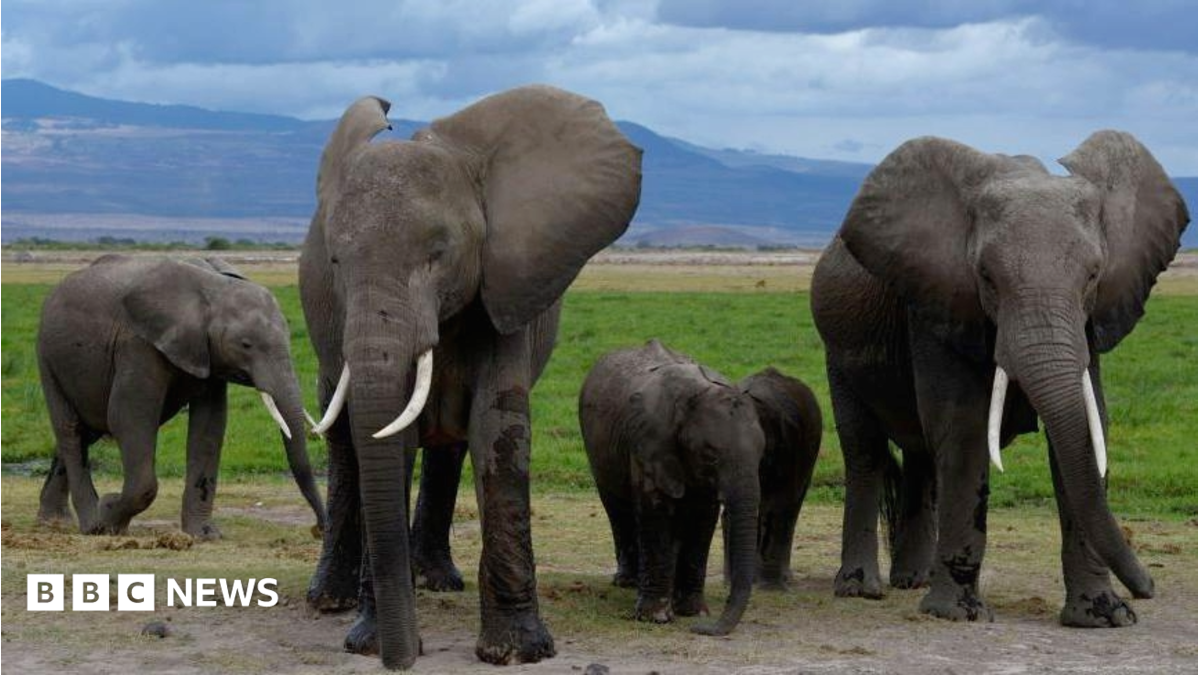
Cyanide in tomato pesticide killed 15 elephants, Kenyan officials suspect

BBC News · collected 2026-07-31 · by Richard Kagoe, Kaleb Moges
Read the original at BBC News ↗

Summary

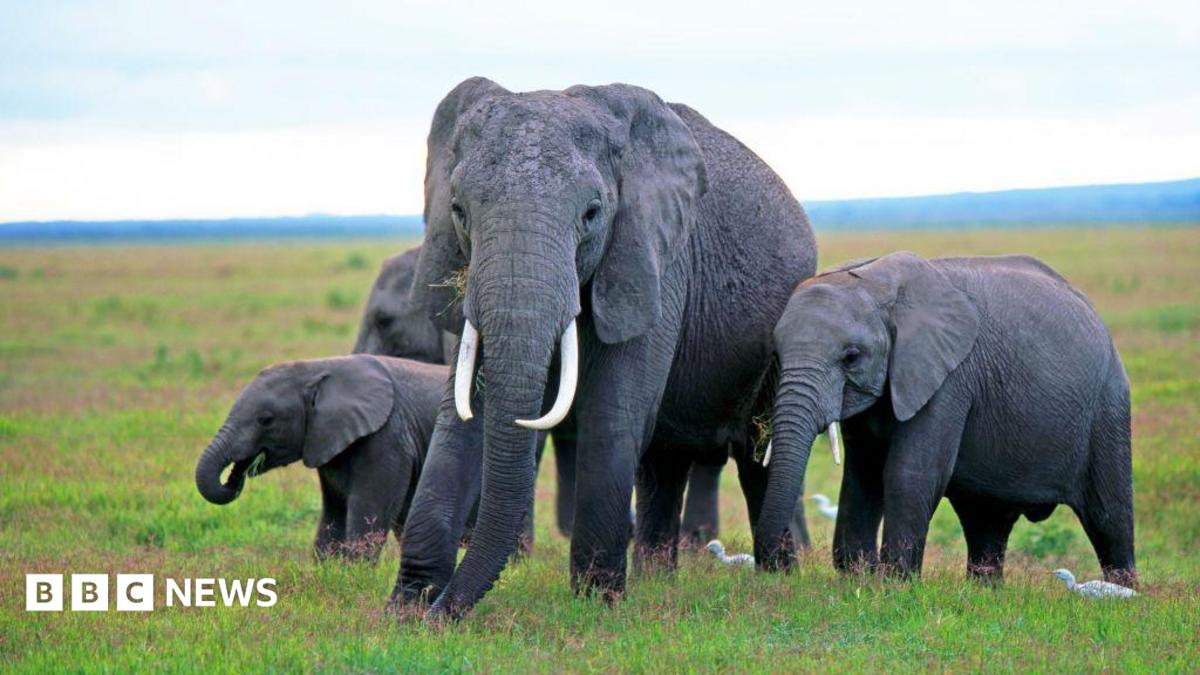
Preliminary tests by the Kenya Wildlife Service found cyanide in samples taken from 15 dead elephants outside the Amboseli National Park in southern Kenya. The elephants died over a month between June 24 and July 24, with some showing signs of paralysis before death. According to the Kenya Wildlife Service, none of the toxic substances consumed by the elephants pose an immediate risk to humans. The incident has raised concerns about expanding farming activities near the park, which is home to around 2,000 elephants.
Written by the local model on 2026-08-21, using this article's own text rather than the other coverage of the same event (that is the story summary below).

Signals How these are calculated →

Claims extracted
11
claim-shaped sentences
Uncertain
9%
1 of 11 hedged
Leaning
not scored
needs a local LLM pass
Publisher trust
95.5
red-flag proxy, not a credibility rating
Outlets on this story
2
Environment
Narrative spread
1
articles carrying this framing
Analyzed 2026-07-31 · how these are computed

AI analysis (generated at analysis time, not now)

Story summary

Fifteen elephants were found dead outside Amboseli National Park in southern Kenya, with preliminary tests suggesting they died from eating tomatoes sprayed with pesticides containing cyanide. The deaths occurred between June 24th and July 24th, 2026, with some elephants showing signs of partial paralysis** before dying. Investigations are ongoing, but wildlife officials have ruled out foul play. Local farmers are skeptical about the cause of death, saying they have never experienced such a large number of elephant mortalities in the area. The incident has raised concerns about expanding farming activities near the park and the potential risks to both humans and animals.

Written for “Elephant Deaths in Kenya” on 2026-08-31, grounded in this article and the 1 other(s) covering the same event.
Why this leaning score
The article uses neutral language to describe the incident and its causes, but phrases such as 'wildlife officials have ruled out foul play' may suggest a cautious approach that leans slightly right, implying a lack of conspiracy or intentional harm.
Written under an earlier scoring contract, which gave a paragraph rather than checkable quotes. Re-analysing this article replaces it.
Leaning score +0.45 for article 142 · logged 2026-07-31

Story

📰 Elephant Deaths in Kenya
Environment · 2 article(s) covering the same event.

How this is being covered How these are calculated →

Article leaning vs. publisher reliability
Source leaning vs. consistency

Compared with similar articles

This article reads unscored and hedges 9% of its claims. Each row says how that neighbour differs.
BBC News · 0.90 cosine similarity
⚖️ leaning not scored 🔴 13% hedged 6 of 47 📰 publisher trust 96
“Both articles describe the deaths of 15 elephants in southern Kenya, suspected to be caused by cyanide poisoning from pesticides sprayed on nearby farms.”

Publisher

BBC News · 588 article(s) · 0 correction(s) detected
SignalValueWeight
Correction rate 0.000 0.4
Uncertainty density 0.090 0.25
Assertive mismatch rate 0.000 0.35
No corrections detected for this publisher. That may mean careful reporting, or simply that nothing has been checked.

Who wrote this

Richard Kagoe
1 article(s) here · 0 carrying a prediction
The only article under this byline in the corpus.
Kaleb Moges
1 article(s) here · 0 carrying a prediction
The only article under this byline in the corpus.

Topics

KWS Kenya Tanzania The Kenya Wildlife Service the Amboseli Trust for Elephants

Subjects

KWS ORG · 2× Amboseli GPE · 1× Kenya GPE · 1× Tanzania GPE · 1× The Kenya Wildlife Service ORG · 1× the Amboseli Trust for Elephants ORG · 1×

Narrative

The carcasses include elephants of different ages and sexes, suggesting the deaths are not limited to a single family or demographic. The KWS said the deaths had occurred over a month between 24 June and 24 July 2026.
framing: assertive · carried by 1 article(s) · first seen 2026-07-31

Claims (11 extracted, 1 hedged)

- Published Fifteen elephants found dead in southern Kenya outside the Amboseli National Park are suspected to have been poisoned by eating tomatoes that had been sprayed with pesticides on nearby farms. asserted
that → publish → farms
The Kenya Wildlife Service (KWS) says preliminary laboratory tests found cyanide in samples taken from the animals' carcasses. asserted
tests → say → carcasses
Ten of the elephants had been found with signs of paralysis and then died within two days. asserted
Ten → find → days
The other five elephants were already dead by the time they were discovered. asserted
they → discover → time
Investigations are continuing, but for the time being wildlife officials have ruled out foul play. asserted
officials → continue → play
Seeking to reassure the public, wildlife authorities have told local media the toxic substances eaten by the elephants pose no immediate risk to humans. asserted
substances → seek → humans
This incident has raised concerns about expanding farming activities near the park as elephants often stray on to farmland in search of food and water. asserted
elephants → raise → food
The park and its surrounds are known as the Amboseli ecosystem, a vast area that straddles the border with Tanzania, which is famous for its wildlife. asserted
which → know → wildlife
Officials say this is the first time in decades that elephant mortalities on this scale have been recorded in the region where they have successfully cracked down on poaching. asserted
they → say → poaching
The carcasses include elephants of different ages and sexes, suggesting the deaths are not limited to a single family or demographic. The KWS said the deaths had occurred over a month between 24 June and 24 July 2026. asserted
deaths → include → June
According to figures from the Amboseli Trust for Elephants, which monitors the movements of the animals, there were more than 2,000 elephants in the Amboseli ecosystem as of 2025. uncertain
which → accord → 2025
💬 Give feedback
🕘 History 🎫 Support