Prashant Rao
113 article(s) here · 1 carrying a prediction
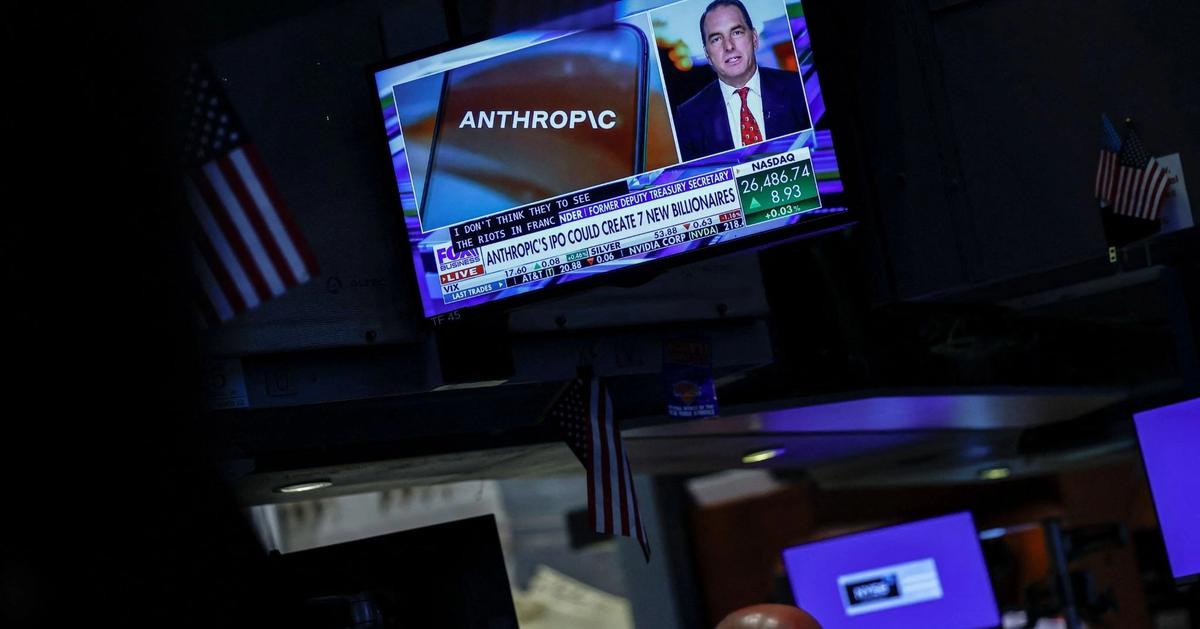
Anthropic looked set to push ahead with its IPO this month, indicating confidence in market appetite for the AI trade despite a recent selloff and concerns over the controversy surrounding Nvidia.
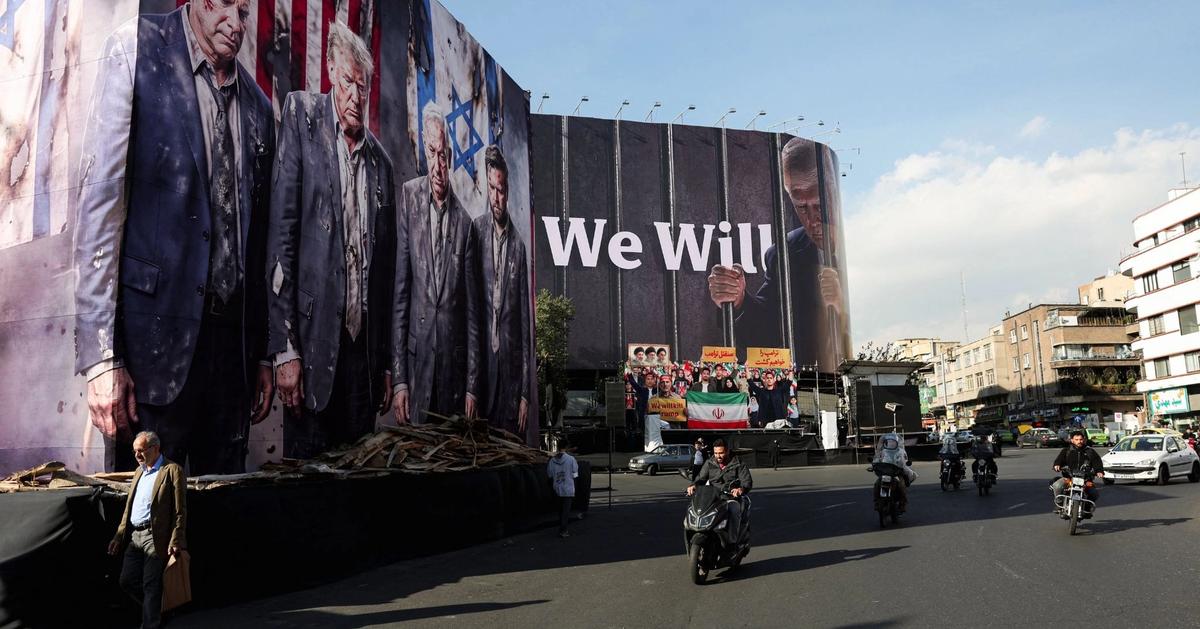
But Tehran “will likely maintain its maximalist demands,” a think tank noted, while RFE/RL reported that “expectations of a breakthrough” in the Russia-Ukraine talks “are low.”
For now, one analyst noted, Huang staying on had helped stanch declines in Nvidia stock: “If we genuinely thought he was going to step down,” he told Reuters, “it would be an absolute bloodbath.”
US President Donald Trump, who will meet with Qatar’s prime minister today, downplayed the prospect of a return to conflict, while a flurry of meetings between Chinese and Gulf leaders has also offered grounds for hope.
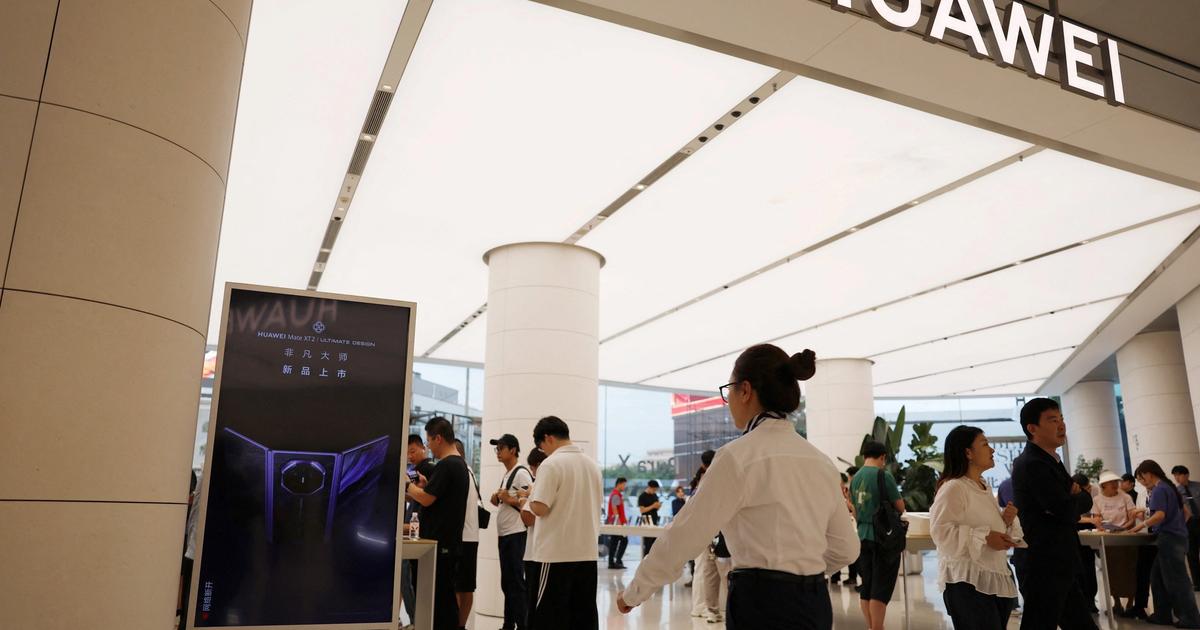
Nvidia’s CEO has been a key opponent of US restrictions on semiconductor equipment sales to China; while the controversy over his infidelity “may help rival Huawei,” a Reuters columnist wrote, “Beijing has more to lose if Washington tightens export controls.”
US President Donald Trump spoke with the emir of Qatar, which has sought to mediate a truce, but Washington and Tehran have also traded heated rhetoric and Iran said three tankers were hit in the Strait of Hormuz, underscoring the persistent threat to shipping through the waterway.
Some analysts forecast that Trump, his domestic power circumscribed by midterm election losses, could focus on burnishing his foreign-policy legacy.
An outgoing Republican lawmaker will next week seek to begin impeachment proceedings in the House of Representatives, though it’s unclear if such efforts will gain momentum in the Senate.
The legislature has limited sway over the imposition of levies, a former Trump administration economic adviser noted, and even if it sought to force his hand, “Trump will reject any attempt to limit the use of his favorite tool,” an Atlantic Council scholar argued.
Europe, meanwhile, fears it may face a frustrated US president, with policy towards Ukraine especially uncertain and the White House likely to pressure European nations more on trade and defense:
The party won more seats than predicted in the House — “a majority big enough to manage comfortably and contain a restive progressive wing,” Semafor’s Nicholas Wu wrote — and its presumptive leader in the lower chamber said he would focus on investigations into alleged government corruption, as well as cost-of-living concerns.
Republicans, meanwhile, were grappling with what one senior figure called “a generational wipeout” that potentially leaves them in the Senate minority for years to come, and the Trump administration unable to make key judicial or cabinet appointments, both of which need confirmation in the upper chamber.
Also by Prashant Rao
Nothing else under this byline is closely related to this
article, so these are simply their most recent.
 The Aporia