What Trump meant when he said the U.S. is cutting aid to Israel
JERUSALEM — On the day of the U.S. midterm elections, when President Trump told Fox News he is cutting $4 billion in U.S. aid to Israel, many Israelis panicked.
asserted
Israelis → mean → Israel
So when a president says something like that, it's a slap in the face!" says Yair Wairauch, 36, a clinical psychologist in Jerusalem.
asserted
Wairauch → say → Jerusalem
Local media say Trump's "bombshell" announcement also caught the country's defense and finance ministries by surprise.
asserted
announcement → say → surprise
Meanwhile, U.S. voters and candidates who oppose U.S. military aid to Israel celebrated Trump's move.
asserted
who → oppose → move
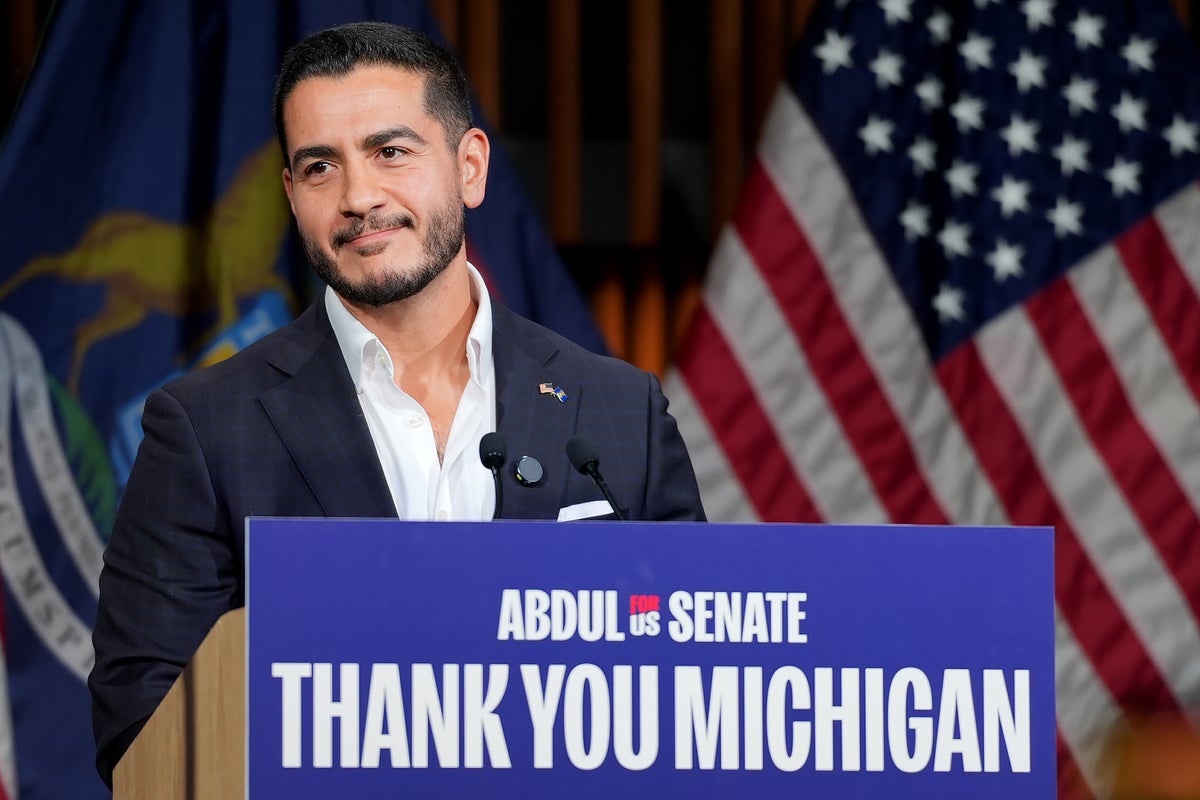
Democrat Abdul El-Sayed, the senator-elect from Michigan — who accuses Israel of genocide and apartheid, charges Israel denies — told NPR he thinks the president is "actually right on this policy.
asserted
president → accuse → policy
But defense experts and former government officials say U.S. aid to Israel is not going away.
asserted
aid → say → Israel
It's just changing shape.
asserted
It → change → shape
Trump and Netanyahu have been working on this for months
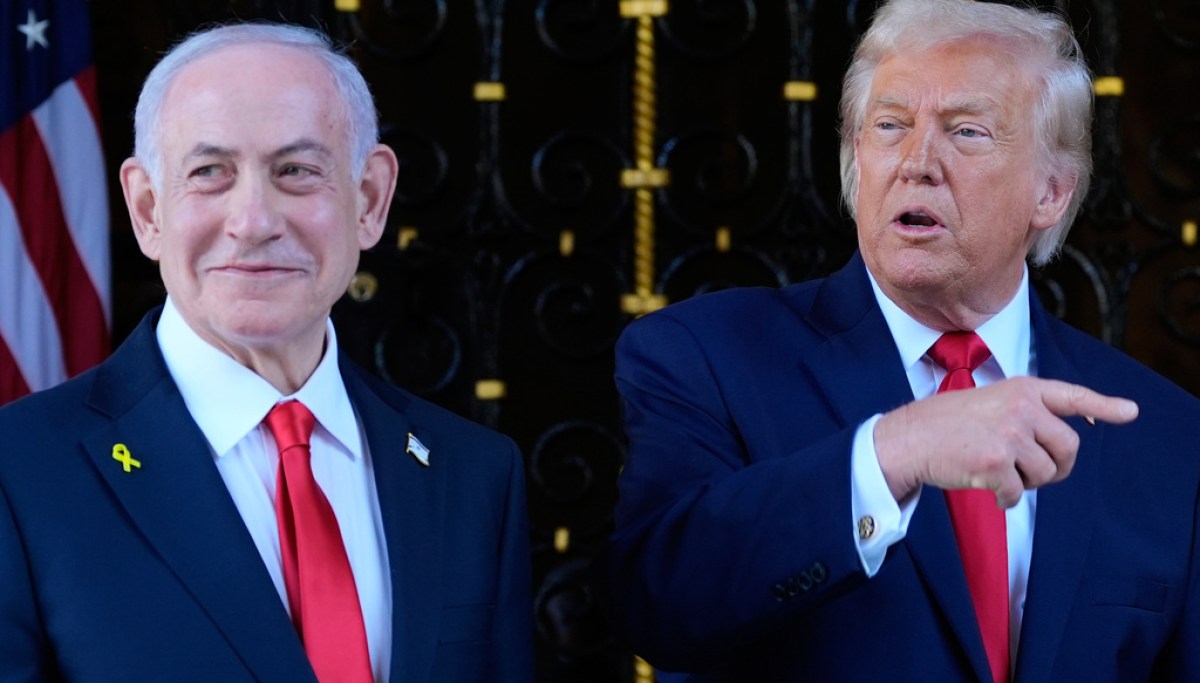
Last May, Israeli Prime Minister Benjamin Netanyahu said something similar to Trump's Election Day comment on CBS' 60 Minutes.
uncertain
Netanyahu → work → Minutes
"I want to draw down to zero the American financial support, the financial component of the military cooperation we have, because we receive $3.8 billion dollars a year," Netanyahu said.
asserted
Netanyahu → want → dollars
"I think it's time we weaned ourselves."
asserted
we → think → ourselves
This aid was already due to expire in 2028, at the end of a ten-year Memorandum of Understanding signed by President Obama.
asserted
aid → expire → Obama
With criticism of Israel growing, amid the wars in Iran and Gaza, Netanyahu may have wanted to pre-empt any difficulty renewing that aid package, says Avishay Ben-Sasson-Gordis, head of U.S.-Israel research at the Institute for National Security Studies in Tel Aviv.
uncertain
Gordis → grow → Aviv
"The prime minister believes it's better that, instead of Israel being told it can't get this degree of foreign military funding, it is giving it up of its own volition," he says.
asserted
he → believe → volition
Instead of losing U.S. military support, "the way Israel defines it, we're going from aid to partnership," Ben-Sasson-Gordis adds.
asserted
Gordis → lose → partnership
Switching U.S. aid to Israel from the State Department to the Pentagon
asserted
Switching → switch → Pentagon
For months, U.S. and Israeli officials have been negotiating a plan to shift U.S. aid to Israel from the State Department to the Pentagon.
asserted
officials → negotiate → Pentagon
It would integrate parts of the Israeli and American defense industries, and facilitate new joint projects.
asserted
It → integrate → projects
"It doesn't mean that the U.S. and Israel are going to stop working together.
asserted
U.S. → mean → ?
It doesn't mean the U.S. is going to stop funding things," says Mairav Zonszein, senior Israel analyst at the International Crisis Group, based in Tel Aviv .
asserted
Zonszein → mean → Aviv
"It's just going to be repackaged, reframed — and possibly not include the same kind of congressional oversight."
uncertain
It → go → oversight
If approved, the new framework — outlined in the National Defense Authorization Act, or NDAA, for fiscal year 2027 — would make the U.S.-Israeli financial relationship part of Pentagon procurement.
asserted
relationship → approve → procurement
Joint future projects would include collaboration on missile defense, cybersecurity, biotechnology and drones.
asserted
projects → include → defense
The American Israel Public Affairs Committee, or AIPAC, which supports the new arrangement, says it includes "a $50 million increase" in U.S. funding for Israel compared to fiscal year 2026.
asserted
it → support → year
But Amnesty International calls it a "troubling proposal" that risks expanding the U.S. government's legal liability for potential violations of international law committed by Israel's military.
asserted
that → call → military
In September, dozens of civil rights and advocacy groups urged Congress to scrap the NDAA.
asserted
dozens → urge → NDAA
Critics cite less scrutiny, transparency
Under the Pentagon, U.S. funding for Israel could face less scrutiny and less transparency, at a time when U.S. voters are scrutinizing Israel more, critics say.
uncertain
critics → cite → Israel
Recent polls show American favorability of Israel has dropped to a record low.
asserted
favorability → show → low
Vice President JD Vance cited the U.S. relationship with Israel as one of the reasons Republicans lost the midterm elections.
asserted
Republicans → cite → elections
"This would not only enable the Israel lobby to protect this money that the U.S. sends to Israel each year from the collapse in public support for U.S. funding for Israel, but it would also likely allow it to increase significantly," says Annelle Sheline, a former State Department official who is now a research fellow at the Quincy Institute in Washington D.C.
"
asserted
who → enable → D.C.
Because now it would just be part of this massive and ballooning Pentagon budget," says Sheline, who quit the State Department in 2024 in protest against arms shipments to Israel at the height of the Gaza war.
asserted
who → say → war
In the House version of the NDAA bill, Section 219 says the U.S. defense secretary would designate an "executive agent" inside the Pentagon, responsible for "synchronizing cooperative efforts" between the U.S. and Israeli militaries.
asserted
secretary → say → militaries
"So it's more than writing aid into law.
asserted
it → write → law
It's writing into law a position whose goal is to deepen and expand this relationship — a relationship that many Americans have expressed deep concerns about," says Matt Duss, executive vice president at the Center for International Policy and a former foreign policy adviser to Sen. Bernie Sanders, who has criticized arms sales to Israel.
asserted
who → write → Israel
Last summer, Congress blocked a bipartisan effort by Rep. Ro Khanna, D-Calif., and Rep. Thomas Massie, R-Ky., to amend Section 219 of the NDAA, which is also called Section 224 in some versions.
asserted
which → block → versions
In July, the House passed the NDAA, but the Senate has not yet passed its version.
asserted
Senate → pass → version
Congress needs to pass and reconcile both before a government funding deadline on Dec. 11.
asserted
Congress → need → Dec.
So it will be the outgoing lame duck Congress — rather than newly-elected members, who include more critics of Israel — who may ultimately decide this.
uncertain
who → elect → this
 The Aporia