That is 0 articles you have read today.
The Aporia is free and carries no advertising, so readers are the only
thing paying for it. If you are getting this much out of it, a small
donation is what keeps it independent.
Daily limit reached
You have read 0 articles today.
That is more than the 15 a day The Aporia gives away,
and well past what it can carry on nothing. Your allowance resets at
midnight.
There is no advertising here and nothing about you is sold, so readers
are the only thing paying for it. If the site is worth this much of
your day, it is worth a few dollars.
Everything else stays open: the
maps, the
directory and
search do
not count against this, and neither does re-opening something you have
already read today.
Malaysia’s Prime Minister Anwar Ibrahim offered to invite Myanmar’s military ruler Min Aung Hlaing for an official visit in hopes of advancing Rohingya repatriation efforts. This proposal aims to resolve the ongoing refugee crisis by fostering diplomatic relations and encouraging Myanmar to accept its persecuted Rohingya population back, despite the country's recent civil war and international condemnation over human rights abuses. Malaysia currently hosts around 126,000 Rohingya refugees and has agreed to begin a voluntary repatriation program starting September 29 with an initial phase of at least 1,500 refugees returning home.
Written by the local model on 2026-09-16,
using this article's own text rather than the other coverage of the
same event (that is the story summary below).
Story summary
Malaysia is set to invite Myanmar’s military ruler Min Aung Hlaing for official talks aimed at repatriating Rohingya refugees from Malaysia back to Myanmar. This move, proposed by Malaysian Prime Minister Anwar Ibrahim, comes as a diplomatic shift from previous confrontational stances against the Myanmar junta. Since taking power in a 2021 coup, Min Aung Hlaing has sought international legitimacy amid widespread criticism and isolation.
Malaysia, a key destination for Rohingya refugees fleeing persecution in Rakhine state, faces increasing hostility towards the Muslim minority group within its borders. Anwar Ibrahim argues that engaging with Min Aung Hlaing is a necessary step to address the refugee crisis and foster better relations between both countries. Malaysia has been vocal about Myanmar’s failure to repatriate Rohingya refugees, who are often denied citizenship in Myanmar.
The invitation represents an attempt by Malaysia to find pragmatic solutions for the humanitarian issue while acknowledging the complexities of engaging with a controversial leader like Min Aung Hlaing, who is also under international pressure and sanctions.
Written for “Rohingya Repatriation Talks” on 2026-09-17,
grounded in this article and the 1 other(s) covering the same event.
Why this leaning score
The model judged this article politically coded and scored it +0.15, but 1 quote(s) could not be found in the article and the other 1 are attributed speech rather than the article's own narration, so the score is not published.
Written under an earlier scoring contract, which gave a paragraph
rather than checkable quotes. Re-analysing this article replaces it.
Leaning score withheld for article 13995: no verified evidence · logged 2026-09-16
Malaysia is offering to invite Myanmar’s military ruler for an official visit to the country in a bid to expedite the repatriation of Rohingya refugees.
asserted
Malaysia → offer → refugees
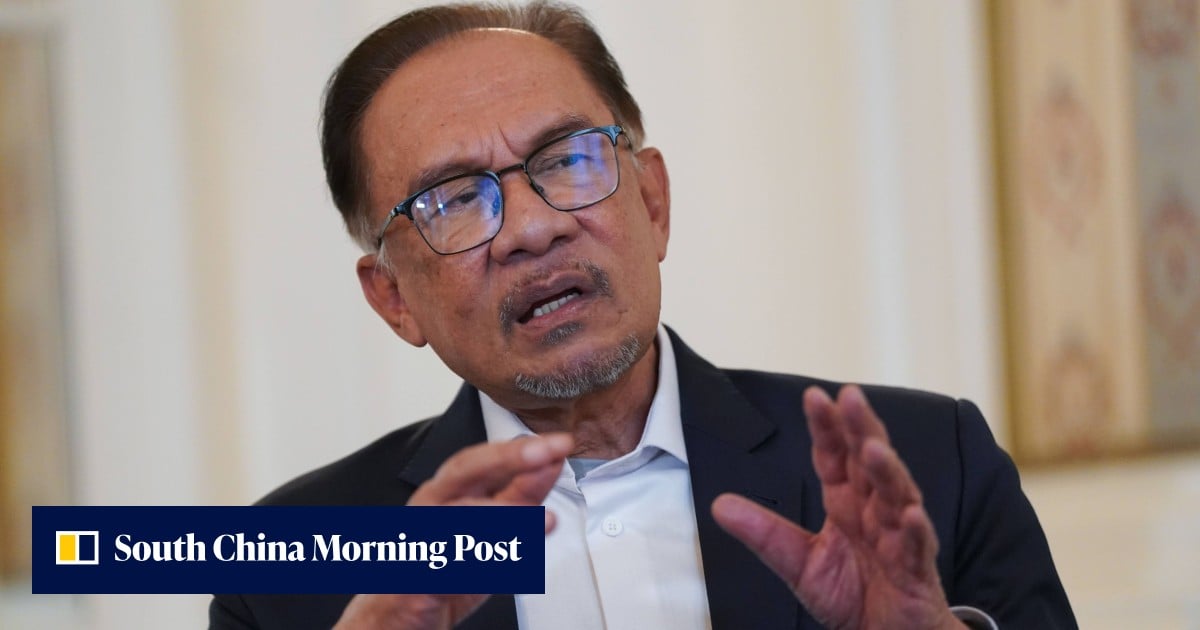
Malaysia’s Prime Minister Anwar Ibrahim made the offer on Wednesday, which, if accepted, would mark another step out of isolation for Myanmar’s military-backed President Min Aung Hlaing.
asserted
which → make → President
Min Aung Hlaing, a retired general who seized power in a 2021 coup, has been on a quest for international legitimacy since becoming president in April.
asserted
who → retire → April
“I invited him to say we can be friends, we can trade, we can accept Myanmar, but Myanmar must accept them [Rohingya refugees] back,” Malaysia’s president said on a podcast.
asserted
president → invite → podcast
Malaysia has been one of the most vocal critics of Myanmar’s former military government and had repeatedly expressed frustration at its refusal to cease hostilities.
“To me, that’s better diplomacy than just shouting angrily at Myanmar.
asserted
that → express → Myanmar
Who’s going to take them?
asserted
Who → go → them
Where do we send them?
asserted
we → send → them
They don’t even have Myanmar citizenship,” he said, adding that a different approach was needed to resolve the issue.
asserted
approach → have → issue
“We, following ASEAN, don’t want direct relations with Myanmar.
asserted
We → follow → Myanmar
So who are we supposed to negotiate with?”
asserted
we → suppose → who
If Myanmar accepts the conditional offer, it would mark Min Aung Hlaing’s fifth visit to an ASEAN member state, after his recent visits to Laos, Thailand, Cambodia and Vietnam.
asserted
it → accept → Laos
He has also visited China, India and Russia.
asserted
He → visit → China
ASEAN has refused to recognise Myanmar’s election.
asserted
ASEAN → refuse → election
Since 2021, the body has barred Myanmar’s leaders from its summits.
asserted
body → bar → summits
A civil war in Myanmar has killed an estimated 100,000 people, with the military widely accused of atrocities against the mostly Muslim Rohingya population, which the military has denied.
asserted
military → kill → which
Malaysia has long been a haven for Rohingya fleeing persecution at home, even though it is not a signatory to the 1951 United Nations Refugee Convention and does not formally recognise refugee status.
asserted
it → flee → status
Nevertheless, it hosts more than 126,000 Rohingya from Myanmar.
asserted
it → host → Myanmar
Prime Minister Anwar announced in July that Myanmar’s military-backed government had agreed to take back 5,000 members of the persecuted Rohingya minority amid rising tensions with local communities in Malaysia.
asserted
government → announce → Malaysia
Malaysia has finalised the first phase of a voluntary repatriation programme that will see at least 1,500 eligible Myanmar refugees return home on September 29, the government said.
asserted
government → finalise → September
 The Aporia