Photo via NBC News

Supreme Court set to pare back federal inmates’ ability to sue officials

Read the original at NBC News ↗
Cite

Hurley, L. (2026, November 9). Supreme Court set to pare back federal inmates’ ability to sue officials. NBC News. https://www.nbcnews.com/politics/supreme-court/supreme-court-set-limit-federal-inmatess-ability-sue-officials-rcna608292

Dated from the outlet's own feed. Check the original for its byline.

NBC News · collected 2026-11-09 · by Lawrence Hurley

Quick Summary

The Supreme Court is considering restricting federal inmates' ability to sue officials over denied medical treatment, focusing on a case involving former inmate Kekai Watanabe. The court’s conservative majority seems inclined to limit or potentially nullify a 1980 ruling that expanded the rights of federal prison inmates to sue for constitutional violations under Bivens v. Six Unknown Fed. Narcotics Agents. Justices noted alternative remedies such as internal procedures and the Federal Tort Claims Act, suggesting that Bivens claims may no longer be necessary or valuable.
Written by AI on 2026-11-10, from this article's own text only (the story summary below draws on all the coverage).

AI analysis

Story summary

On November 9, 2026, the Supreme Court heard arguments in a case involving Kekai Watanabe, a former federal prison inmate from Hawaii, who claims he was denied medical treatment after being beaten by fellow inmates during a gang riot. Seven months later, doctors diagnosed Watanabe with a fractured tailbone and he sued the nurse for violating his Eighth Amendment rights against cruel and unusual punishment. The case could determine whether federal law enforcement officers can be held accountable when they violate constitutional rights. During oral arguments, Justice Roberts seemed inclined to limit inmates' ability to sue officials over denied medical treatment, potentially overturning a 1980 Supreme Court ruling that expanded on the original Bivens v. Six Unknown Fed. Narcotics Agents decision from 1971, which first allowed people to sue federal officials for civil rights violations. This case echoes concerns about accountability in cases of alleged constitutional violations by immigration officers and other federal law enforcement personnel.

Written for “Supreme Court Weighs Federal Enforcement Shielding” on 2026-11-10, grounded in this article and the 1 other(s) covering the same event.
Why this leaning score
The article's own words the score was based on. Each is quoted verbatim and was checked against the article text before being stored, so you can find it in the original.
Reading Leans right (beta estimate) Confidence high 1 quote(s) discarded as not found in the article
Leaning: leans right for article 139183 (high confidence, 2 verified quotes) · logged 2026-11-10

Story

Supreme Court Weighs Federal Enforcement Shielding
Politics · 2 article(s) covering the same event. See how they differ ↓

Compared with similar articles

This article reads leans right and hedges 38% of its claims. Each row says how that neighbour differs.
NPR
Leans left further left than this Hedges 6 of 29 claims Outlet record 60/100
How this article was measured signals, leaning charts, publisher record, byline, topics and claims

Signals How these are calculated →

Claims extracted
24
sentences that state something as happening or true
Uncertain
38%
9 of 24 hedged ("reportedly", "may", "according to")
Leaning
Leans right
of the writing, not the subject · beta estimate
Publisher signals
72/100
NBC News's corrections and hedging, across everything collected from it. Not a measure of accuracy.
Outlets on this story
2
Politics
Same framing elsewhere
1
articles that frame the event the way this one does
Analyzed 2026-11-10 · how these are computed

How this is being covered How these are calculated →

Article leaning vs. publisher reliability
Source leaning vs. consistency

Publisher

NBC News · 2323 article(s) · 3 correction(s) detected
Running correction rate · 3 correction(s)

Who wrote this

Lawrence Hurley
12 article(s) here · 1 carrying a prediction
Construction there had been challenged by an environmental group and locals who say it would damage the environment and historic sites.
Although the court may not overturn the Bivens decision itself, it seems likely to nullify a 1980 Supreme Court ruling that expanded on it, called Carlson v. Green.
Tackling the latest in a series of cases that pit LGBTQ and religious rights against each other, the Supreme Court on Tuesday will consider whether Catholic entities should be exempted from the state’s antidiscrimination rules so they can participate in a taxpayer-funded preschool program.
In a loss for President Donald Trump, the Supreme Court on Monday swiftly rejected the administration’s request that California separate out up to 20,000 mail-in ballots that officials allege could be submitted by noncitizens.
The ballot in New Hampshire includes a closely watched Senate race that could play a key role in deciding control of the chamber.
The court order included no explanation, saying only that two conservative justices, Clarence Thomas and Samuel Alito, would have granted it.
The justices will hear arguments and issue a ruling later in the court term, which runs until June.
Although the case concerns a specific lawsuit the city and county of Boulder, Colorado, brought against Exxon Mobil and Suncor Energy, the ultimate decision could have broad ramifications for more than two dozen similar lawsuits around the country.
President Donald Trump’s harsh criticisms may still be ringing in the ears of Supreme Court justices when they return to the bench for a new nine-month term next week.
2026-10-02 · assertive framing · Trump clashes ahead as new Supreme Court term begins
The Supreme Court said Thursday it will consider whether immigrants subject to deportation can be held in detention indefinitely while their cases are adjudicated.
Also by Lawrence Hurley
Nothing else under this byline is closely related to this article, so these are simply their most recent.
All 12 articles by Lawrence Hurley →

Topics

Border Patrol Constitution FTCA Supreme Court WASHINGTON

Subjects

Bivens PERSON · 10× Watanabe PERSON · 6× Border Patrol ORG · 2× FTCA ORG · 2× Kavanaugh PERSON · 2× Supreme Court ORG · 2× Trump PERSON · 2× Kekai Watanabe PERSON · 1× The Supreme Court ORG · 1× WASHINGTON GPE · 1×

Narrative

Roberts seemed inclined to give weight to the Justice Department’s arguments, saying the government’s approach was “cautious and incremental.” Kavanaugh said a dispute over the medical treatment of a prison inmate would be an “odd case” to use as a vehicle to overturn Bivens; the original case involved federal agents involved in a search of a man’s apartment.
framing: mixed · carried by 1 article(s) · first seen 2026-11-10
Although the court may not overturn the Bivens decision itself, it seems likely to nullify a 1980 Supreme Court ruling that expanded on it, called Carlson v. Green.

Claims (24 extracted, 9 hedged)

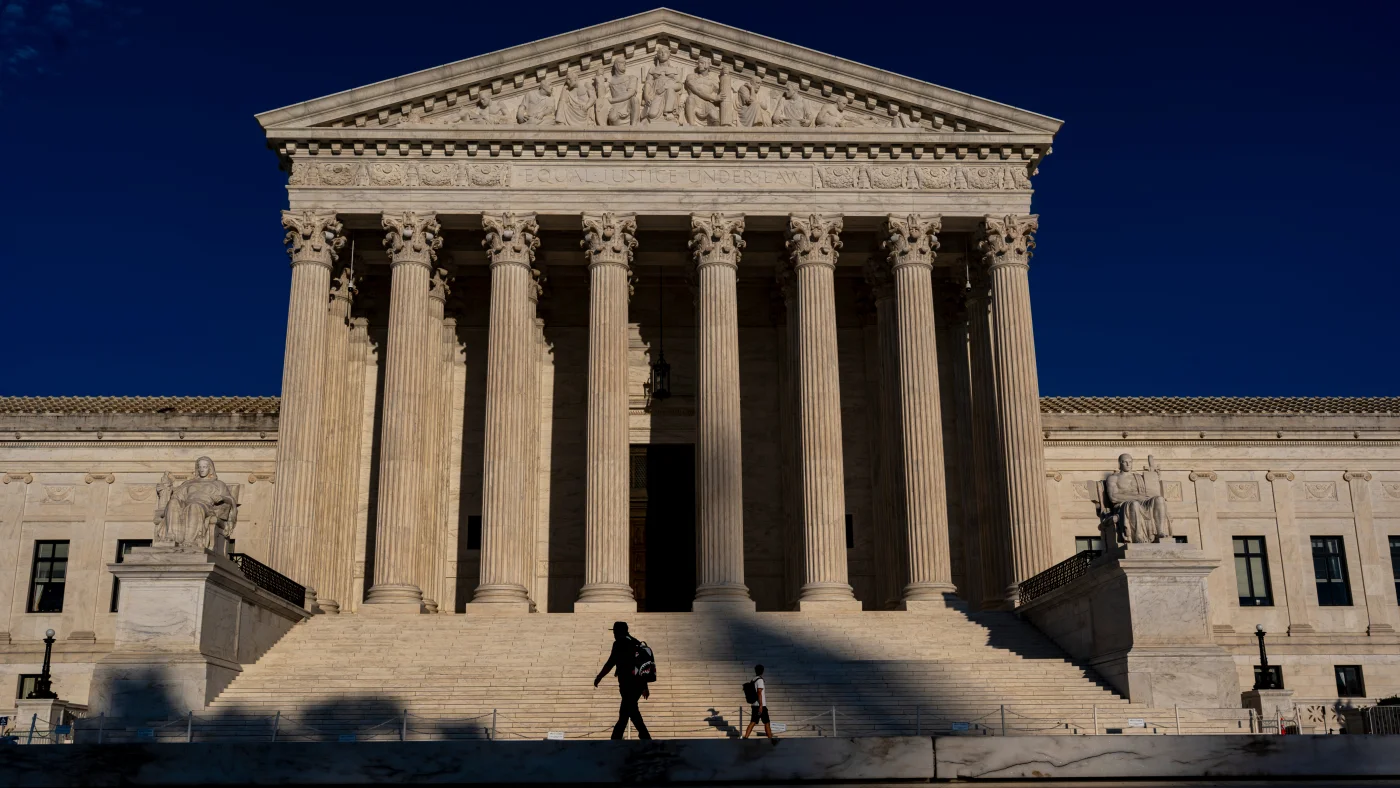
The Supreme Court on Monday appeared likely to bar federal prison inmates from suing officials who deny them medical treatment in the latest case seeking to roll back the ability to hold federal officials accountable for alleged constitutional violations. asserted
officials → appear → violations
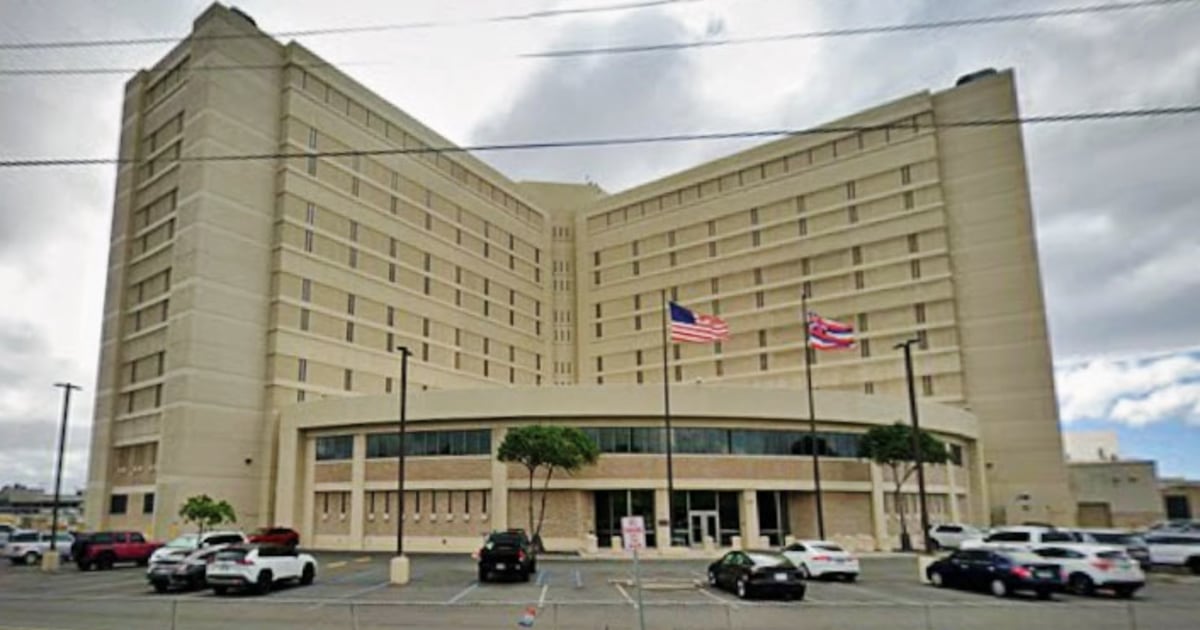
The court heard oral arguments over a claim brought by a former federal prison inmate, Kekai Watanabe, who alleges he was denied medical treatment by officers at a Honolulu-based facility in July 2021 after he was beaten by other prisoners during a gang riot. uncertain
he → hear → riot
The case focuses on the scope of a 1971 Supreme Court ruling called Bivens v. Six Unknown Fed. Narcotics Agents, which for the first time allowed people to sue federal officials, including prison officials, for civil rights violations. asserted
people → focus → violations
The Trump administration’s recent immigration crackdowns have again put the spotlight on the lack of avenues for accountability for agents who face accusations of violating the Constitution. asserted
who → put → Constitution
In Monday’s arguments, the court appeared likely to continue with its recent line of cases that have pared back so-called Bivens claims. uncertain
that → appear → claims
Although the court may not overturn the Bivens decision itself, it seems likely to nullify a 1980 Supreme Court ruling that expanded on it, called Carlson v. Green. uncertain
that → overturn → Green
Then, the justices said federal prison inmates could sue officials for deliberate indifference to their medical needs under the Constitution’s Eighth Amendment, which protects against cruel and unusual punishment. uncertain
which → say → punishment
That ruling applies only to federal prison inmates, not those in state prisons who have other ways to bring such claims. uncertain
who → apply → claims
In Monday’s argument, several justices in the 6-3 conservative majority pointed out that inmates have other means of seeking redress, including under internal prison procedures and via a federal law called the Federal Tort Claims Act. uncertain
inmates → point → law
Under the FTCA, plaintiffs sue the federal government rather than individual officials, and the amount of damages they can win is limited. asserted
they → sue → damages
Conservative Justice Samuel Alito questioned whether Bivens claims provide “anything of value” because most plaintiffs also bring FTCA claims. uncertain
plaintiffs → question → claims
Fellow conservative Justice Brett Kavanaugh noted that a “big theme” in the case was that the FTCA provided the necessary remedy for inmates like Watanabe. asserted
FTCA → note → Watanabe
The court’s most recent decision rolling back Bivens claims was a 6-3 decision in 2022 that said Border Patrol agents could not be sued. uncertain
agents → roll → 2022
A 2023 NBC News investigation found that the ruling had a major impact on ongoing cases around the country, playing a role in 195 cases being dismissed. asserted
cases → find → role
The Bivens decision is on such weak ground that the lawyers for the prison worker in Watanabe’s case, nurse Francis Nielsen, asked the justices to overturn it altogether. asserted
lawyers → ask → it
The Trump administration filed a brief backing the defendant, but did not ask for the Bivens ruling to be overturned. asserted
ruling → file → defendant
Both Kavanaugh and Chief Justice John Roberts, who were in the majority in the 2022 ruling related to Border Patrol agents, appeared reluctant to overturn Bivens itself in Watanabe’s case. asserted
who → relate → case
Roberts seemed inclined to give weight to the Justice Department’s arguments, saying the government’s approach was “cautious and incremental.” Kavanaugh said a dispute over the medical treatment of a prison inmate would be an “odd case” to use as a vehicle to overturn Bivens; the original case involved federal agents involved in a search of a man’s apartment. asserted
case → seem → apartment
In the incident at the center of Monday’s case, Watanabe said he asked Nielsen to be treated after complaining about pain following the riot but that the request was denied. asserted
request → say → riot
Watanabe, who is no longer in federal prison, was later diagnosed with a fractured coccyx and was found to have bone chips embedded in surrounding soft tissue. asserted
who → diagnose → tissue
He then sued, claiming that his Eighth Amendment rights were violated. asserted
rights → sue → ?
A federal court rejected Watanabe’s lawsuit, but the San Francisco-based 9th U.S. Circuit Court of Appeals revived it in a September 2024 ruling. asserted
Court → reject → ruling
The original Bivens case arose because Congress has never specifically enacted legislation allowing federal officials to face the same kind of civil rights claims that local and state officials regularly deal with. uncertain
officials → arise → that
Although legislation has been proposed in Congress, it has yet to gain any momentum. asserted
it → propose → momentum

Give feedback · no sign-in needed

No sign-in needed for now. Your note is sent without a name, so it cannot be answered.

History Support