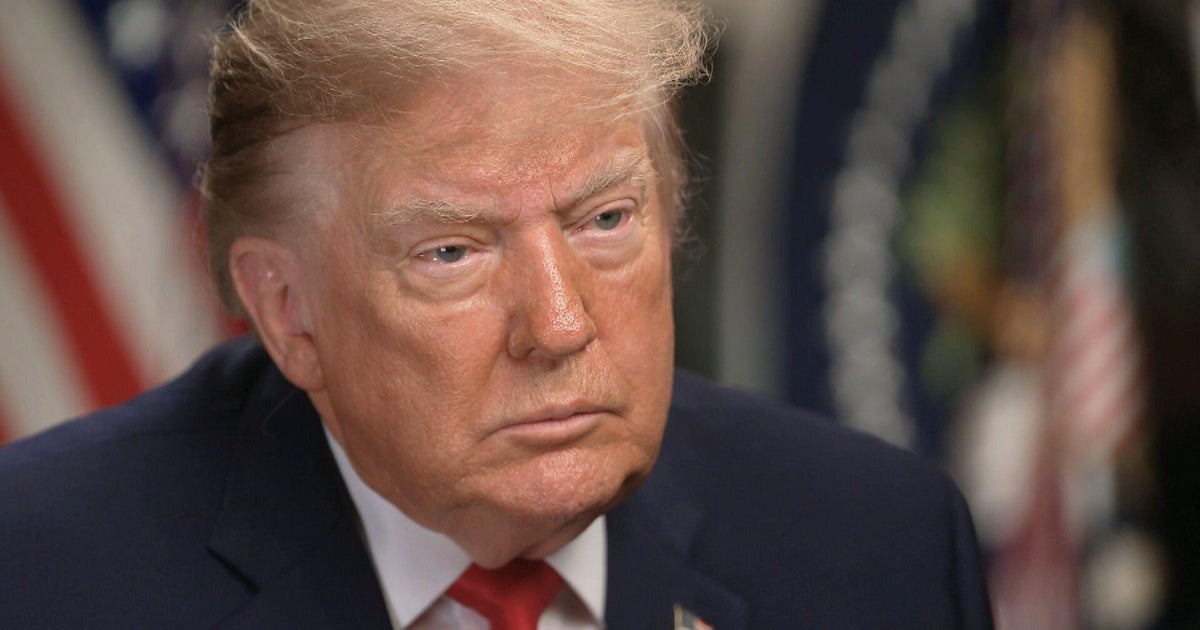
President Donald Trump said he's preparing to make further changes to his Cabinet as he works on his agenda for the final two years of his presidency following the Republican Party's crushing midterm election defeat.
asserted
he → say → defeat
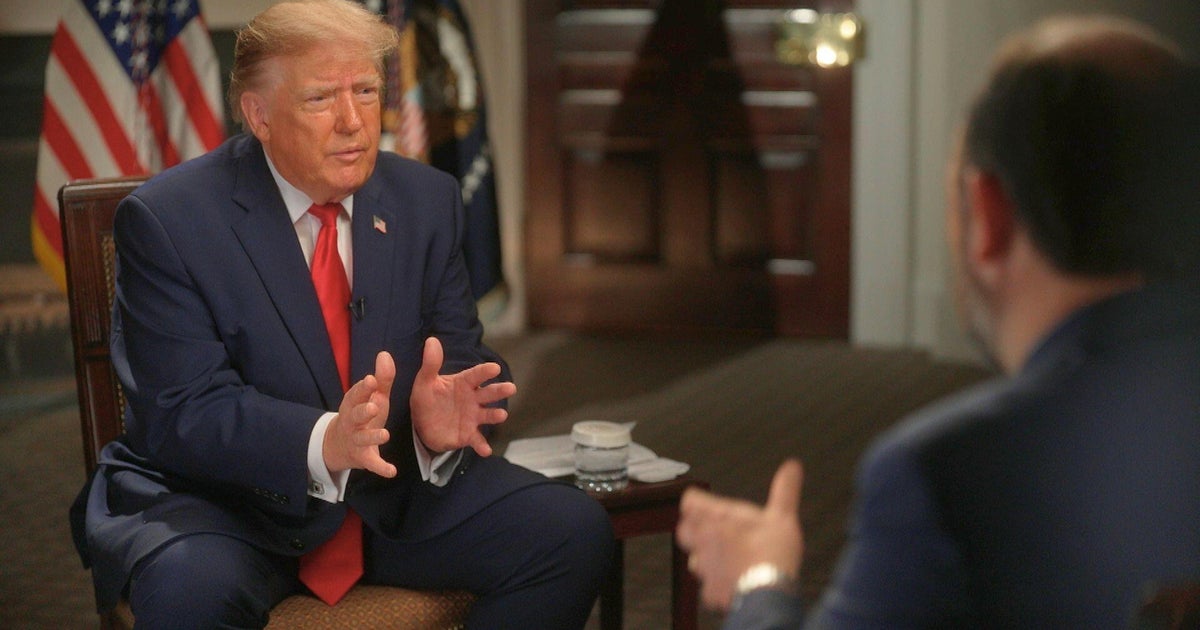
The president admitted that some members of his administration could be heading for the exit while outlining his plans for immigration, the economy and the ongoing war with Iran in a wide-ranging interview with CBS 60 Minutes.
uncertain
members → admit → Minutes
Trump also revealed he was considering issuing a huge number of presidential pardons before leaving office and hinted at who might succeed him as the Republican Party's leader in 2028.
uncertain
who → reveal → 2028
Asked by correspondent Ross Douthat whether he expected to fire anyone following the election losses, Trump replied: 'I do.
asserted
I → ask → losses
'Little bit,' he added.
asserted
he → add → ?
'I love my Cabinet.
asserted
I → love → Cabinet
I think they're good.
asserted
they → think → ?
But I'll be doing maybe a few changes.
asserted
I → do → changes
I don't wanna mention who.'
asserted
I → mention → who
The interview was recorded on Friday, just hours before Trump announced that White House chief of staff Susie Wiles would be leaving her position.
Wiles, who submitted her resignation on Thursday night, is being replaced by longtime Trump loyalist Stephen Miller, who has been one of the administration's most influential figures on immigration.
But Trump's comments suggest the shake-up might not end there.
uncertain
up → record → immigration
President Donald Trump revealed he is considering making further changes to his Cabinet following the Republican Party's crushing midterm election defeat
Trump has already replaced his White House chief of staff with longtime loyalist Stephen Miller, one of the administration's most influential figures on immigration
Susie Wiles resigned as White House chief of staff last week, with Trump announcing her departure shortly after recording his 60 Minutes interview
One official whose future has come under scrutiny is Defense Secretary Pete Hegseth.
asserted
future → reveal → scrutiny
CBS reported that Trump had privately asked advisers whether Hegseth should remain in his position, although the president publicly expressed confidence in his Pentagon chief.
asserted
president → report → chief
During the interview Trump said he still backed Hegseth.
asserted
he → say → Hegseth
'They want to impeach him.
asserted
They → want → him
Very unfair,' he said, defending what he characterized as American military victories in Venezuela and Iran.
asserted
he → say → Venezuela
'We had two wars, we won both.'
asserted
we → have → both
The potential personnel changes come after Republicans suffered a devastating defeat in last week's midterm elections, losing control of both the House and Senate.
asserted
Republicans → come → House
Democrats captured more than 40 House seats and at least seven Senate seats, with some contests still unresolved.
asserted
contests → capture → seats
Trump acknowledged that voters were unhappy with his handling of the Iran conflict and the resulting surge in gasoline prices.
asserted
voters → acknowledge → prices
Defense Secretary Pete Hegseth has faced questions over his future, although Trump insisted he still has confidence in the Pentagon chief despite calls for his removal
Vice President JD Vance is considered a leading contender to succeed Trump in 2028, although the president has stopped short of endorsing him as a candidate
Secretary of State Marco Rubio was singled out for praise by Trump, who described him as 'great' when discussing potential successors to his MAGA movement
'
asserted
who → face → movement
They didn't like the war.
asserted
They → like → war
They didn't like the fact that gasoline went up,' he said.
asserted
he → like → fact
But he insisted that his absence from the ballot was a major reason Republicans struggled, despite his extensive campaigning.
asserted
Republicans → insist → campaigning
'I think they didn't vote, really.
asserted
they → think → ?
I think they didn't vote.
asserted
they → think → ?
I think in some cases, they didn't like the candidates.
asserted
they → think → candidates
And that's, you know, their prerogative.'
asserted
you → know → ?
The president also conceded that his administration had failed to convince Americans that his economic policies were working.
asserted
policies → concede → Americans
'I think it was bad messaging, maybe by me, but I would talk about it all the time.
asserted
I → think → it
So I don't know, how much can I talk about it?' he said.
asserted
he → know → it
Trump insisted that the economy was performing exceptionally well and predicted voters would begin feeling the benefits within months as new factories and manufacturing investments came online.
asserted
factories → insist → months
His plans for the remainder of his presidency also include a potential shift in immigration enforcement.
asserted
plans → include → enforcement
In one of the interview's most striking admissions, Trump suggested his administration had gone too far in deporting some undocumented immigrants.
uncertain
administration → suggest → immigrants
'I think it might be too tough, yeah.
uncertain
it → think → ?
And a lotta people would say that it's great.
asserted
it → say → ?
But a lotta people think it's too tough,' he said.
asserted
he → think → ?
Trump made the revelations during a wide-ranging interview with 60 Minutes correspondent Ross Douthat, right, outlining his plans for the final two years of his presidency
Trump said he loves his Cabinet but admitted he could be making 'a few changes' as his administration adjusts to Democrats taking control of Congress
Trump defended his decision to launch the war against Iran despite agreeing with Vance that the unpopular conflict contributed to Republicans' midterm losses.
uncertain
conflict → make → losses
Trump argued that although removing dangerous criminals remained a priority, there were people who had worked in America for years, including hotel employees and landscapers, who deserved different consideration.
asserted
who → argue → consideration
He also signaled a willingness to negotiate with the newly empowered Democrats.
asserted
He → signal → Democrats
'I'd love to do something on immigration,' he declared.
asserted
he → love → immigration
…and 21 more, not listed.
 The Aporia