Photo via Times of India

'Immigration policy too tough': 5 key takeaways from Trump's 60 minutes interview

Read the original at Times of India ↗
Cite

Pandey, P. (2026, November 9). 'Immigration policy too tough': 5 key takeaways from Trump's 60 minutes interview. Times of India. https://timesofindia.indiatimes.com/world/us/immigration-policy-too-tough-5-key-takeaways-from-trumps-60-minutes-interview-after-midterm-setback/articleshow/135668066.cms

Dated from the outlet's own feed. Check the original for its byline.

Times of India · collected 2026-11-09 · by Pranjal Pandey

Quick Summary

In an interview with CBS News, President Donald Trump acknowledged that his administration's tough stance on immigration may have contributed to Republican losses in the midterm elections. He expressed willingness to work with Democrats on reforming immigration policies, suggesting a compromise that would allow long-term residents who are employed to stay legally while continuing to deport serious criminals and drug dealers. Trump also defended his decision to confront Iran over its nuclear program, emphasizing it as necessary for national security.
Written by AI on 2026-11-09, from this article's own text only (the story summary below draws on all the coverage).

AI analysis

Story summary

In an interview with CBS's "60 Minutes" on November 8, 2026, President Trump acknowledged that his administration's tough deportation policies may have been "too tough," potentially hurting the Republican Party in recent midterm elections. Trump expressed willingness to negotiate with Democrats on immigration, suggesting some illegal immigrants could receive legal status under certain conditions. He emphasized that while he received high marks for securing the border and deporting criminals, a significant portion of the public wants non-criminal undocumented workers to stay if they have good jobs or are paying taxes. This change in stance comes after Republicans suffered losses across various states during the midterms, particularly among Hispanic voters.

Written for “Trump Admits Immigration Policy Too Tough” on 2026-11-09, grounded in this article and the 15 other(s) covering the same event.

Story

Trump Admits Immigration Policy Too Tough
Politics · 16 article(s) covering the same event. Compare every outlet's account →

Compared with similar articles

This article reads leans left and hedges 28% of its claims. Each row says how that neighbour differs.
CBS News
Hedges 8 of 130 claims Outlet record 68/100
CBS News
Leans right further right than this Hedges 18 of 393 claims Outlet record 68/100
CBS News
Hedges 2 of 23 claims Outlet record 68/100
The Straits Times
Hedges 1 of 13 claims Outlet record 66/100
Toronto Star
Hedges 1 of 2 claims Outlet record 64/100
NBC News
Hedges 2 of 27 claims Outlet record 72/100
The Guardian
Leans left Hedges 11 of 53 claims Outlet record 65/100
The Hindu
Leans left Hedges 2 of 7 claims Outlet record 78/100
Daily Mail
Leans left Hedges 2 of 23 claims Outlet record 69/100
Just The News
Hedges 3 of 4 claims Outlet record 95/100
How this article was measured signals, leaning charts, publisher record, byline, topics and claims

Signals How these are calculated →

Claims extracted
32
sentences that state something as happening or true
Uncertain
28%
9 of 32 hedged ("reportedly", "may", "according to")
Leaning
Leans left
of the writing, not the subject · beta estimate
Publisher signals
59/100
Times of India's corrections and hedging, across everything collected from it. Not a measure of accuracy.
Outlets on this story
16
Politics
Same framing elsewhere
1
articles that frame the event the way this one does
Analyzed 2026-11-09 · how these are computed

How this is being covered How these are calculated →

Article leaning vs. publisher reliability
Source leaning vs. consistency

Publisher

Times of India · 4377 article(s) · 4 correction(s) detected
Running correction rate · 4 correction(s)

Who wrote this

Pranjal Pandey
55 article(s) here · 1 carrying a prediction
A reception facility at Athanati is expected to open next week.
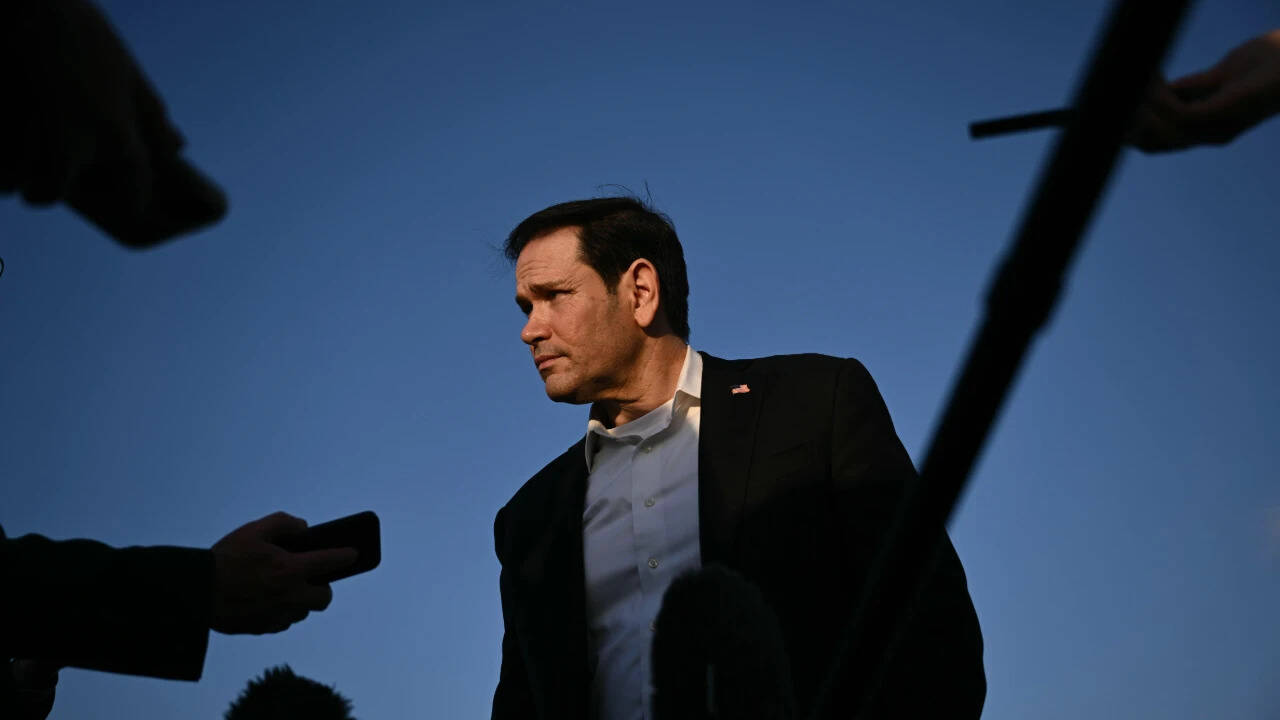
Speaking to reporters at Homestead Air Reserve Base in Florida before leaving for Paris to attend the G7 Foreign Ministers' meeting, Rubio said several countries were continuing to mediate between the two sides but cautioned against expectations of an imminent breakthrough, ANI reported, citing Al Jazeera. "You have a number of countries that continue to engage them with different ideas, but I wouldn’t say we’re at the verge of a breakthrough," Rubio said.
The chancellor, who also leads the CDU, is expected to make his endorsement official on Monday, the person said.
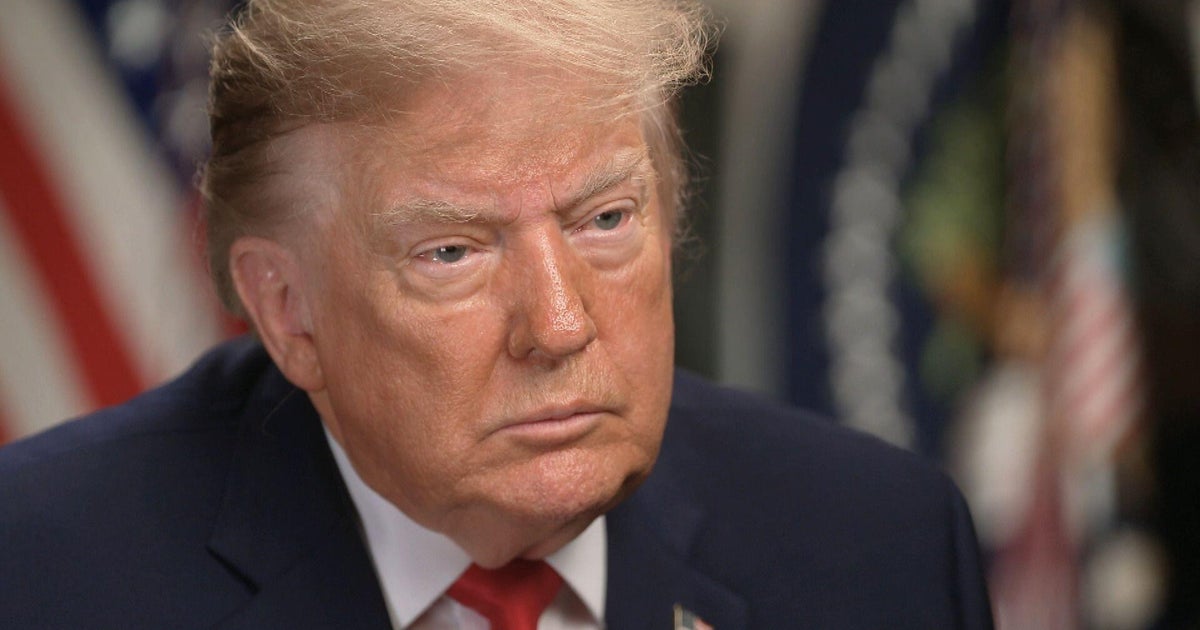
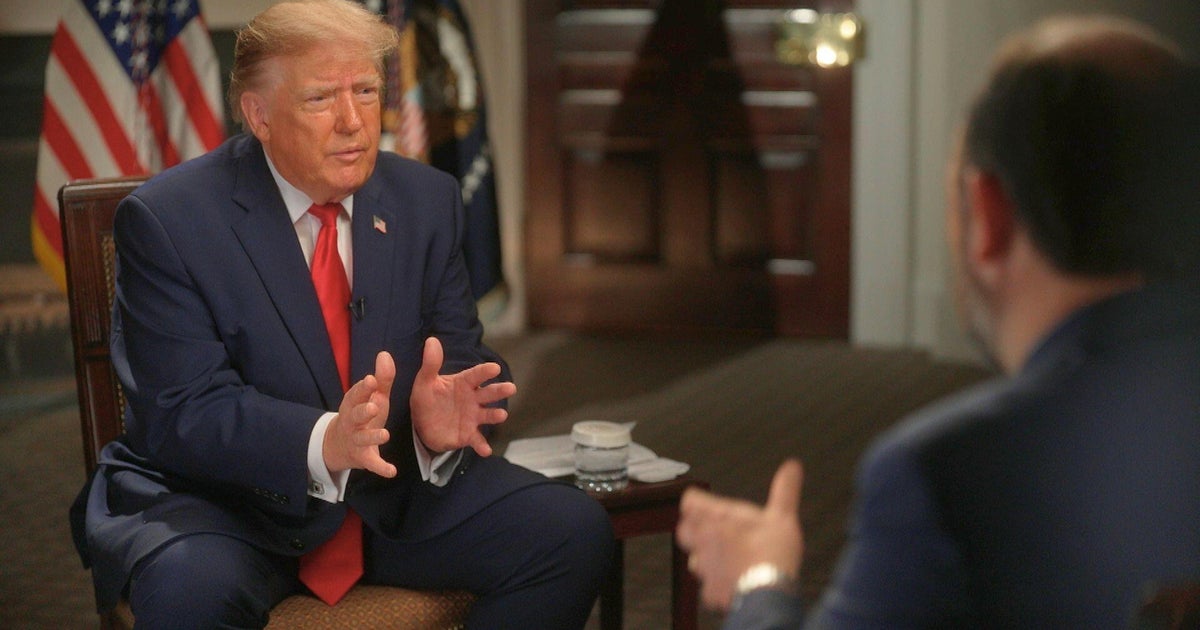
US President Donald Trump has acknowledged that the war with Iran contributed to the Republican Party's losses in the midterm elections, while conceding that his administration's deportation drive may have been too harsh and expressing willingness to work with Democrats on immigration reform.
Speaking at a press conference in Bucharest, foreign minister Andrii Sybiha said Kyiv was hopeful that the political changes in the United States would lead to further assistance.
Asked by The Economist whether Putin would be invited to the meeting, Burnham replied: "No."
“If death is my destiny, I would rather die on the soil of my own country, among my own people,” she told The Associated Press in response to questions by email.
They will travel onwards to Ukraine through a border crossing, Belarusian state news agency Belta reported, according to Reuters.
Lapid said the opposition bloc, headed by Yashar chair Gadi Eisenkot, would use every means available to form a government, though he admitted the process would be hard and success was not assured.
Earlier, Japan's defence ministry detected an object launch, calling it a possible ballistic missile. “An object that may be a ballistic missile has been launched from North Korea.
Also by Pranjal Pandey
Nothing else under this byline is closely related to this article, so these are simply their most recent.
All 55 articles by Pranjal Pandey →

Topics

CBS News Democrats Iran Republicans the Republican Party's

Subjects

Trump PERSON · 10× Iran GPE · 7× Democrats NORP · 3× Cabinet ORG · 2× Republicans NORP · 2× Russia GPE · 2× Russian NORP · 2× CBS News ORG · 1× Donald Trump PERSON · 1× the Republican Party's ORG · 1×

Narrative

He rejected the suggestion that the US had to make concessions to reopen the waterway, maintaining that American military involvement had been decisive in protecting its allies. Russia-Ukraine war Trump said he believed a deal to end the Russia-Ukraine war was close and claimed the conflict would not have begun had he been president at the time. Asked about the biggest obstacle to a settlement, he cited the hostility between Russian President Vladimir Putin and Ukrainian President Volodymyr Zelenskyy.
framing: mixed · carried by 1 article(s) · first seen 2026-11-09
US President Donald Trump has acknowledged that the war with Iran contributed to the Republican Party's losses in the midterm elections, while conceding that his administration's deportation drive may have been too harsh and expressing willingness to work with Democrats on immigration reform.

Claims (32 extracted, 9 hedged)

US President Donald Trump has acknowledged that the war with Iran contributed to the Republican Party's losses in the midterm elections, while conceding that his administration's deportation drive may have been too harsh and expressing willingness to work with Democrats on immigration reform. uncertain
drive → acknowledge → reform
In an interview with CBS News on Friday, with a full transcript published on Sunday, Trump offered his assessment of the Republicans' setbacks, saying voters were unhappy with the war, rising petrol prices and what he described as growing dislike of Israel. asserted
he → publish → Israel
Asked about vice-president JD Vance's assertion that the Iran war was the reason for the party's defeat, Trump said: "I don't disagree with it." asserted
I → ask → it
He nevertheless defended his decision to confront Tehran, saying he could not allow Iran to acquire nuclear weapons. uncertain
Iran → defend → weapons
"My answer is an emphatic yes because you can't let Iran have a nuclear weapon," he said, adding that he believed the decision would be viewed favourably in the long run. asserted
decision → let → run
Trump said his administration's crackdown on illegal immigration had both helped and hurt Republicans electorally. asserted
crackdown → say → Republicans
While he believed he had received strong support for securing the border and deporting criminals, he acknowledged that the removal of people who had established lives and jobs in the US had caused concern. asserted
who → believe → concern
Asked whether the deportation policy had gone too far, Trump replied: "I think it might be too tough, yeah." uncertain
it → ask → ?
He suggested that a compromise with Democrats could allow some immigrants who had lived in the country for years and were working in sectors such as hospitality and landscaping to remain in the US legally, while continuing to remove people involved in serious crimes and drug dealing. uncertain
who → suggest → crimes
"I think that's something that's actually doable," he said, adding that several Democrats had already approached him about working together on immigration. asserted
Democrats → think → immigration
Trump also said he would be willing to avoid insulting Democratic lawmakers for six months if that helped secure an agreement. asserted
that → say → agreement
"Very easily," he said when asked whether he could do so. uncertain
he → say → ?
The president maintained that the US had prevented Iran from acquiring a nuclear weapon and said he was not looking to escalate the conflict further. asserted
he → maintain → conflict
Asked about the remaining nuclear material in Iran, Trump said: "They have nothing. asserted
They → ask → nothing
It's buried under thousands of tons of rock." asserted
It → bury → rock
He also insisted that the Strait of Hormuz was open, saying ships were moving through it, while defending the continued presence of US forces in the region. asserted
ships → insist → region
Trump said countries protected by Washington during the conflict would eventually reimburse the US for the costs of the war. asserted
countries → say → war
He rejected the suggestion that the US had to make concessions to reopen the waterway, maintaining that American military involvement had been decisive in protecting its allies. Russia-Ukraine war Trump said he believed a deal to end the Russia-Ukraine war was close and claimed the conflict would not have begun had he been president at the time. Asked about the biggest obstacle to a settlement, he cited the hostility between Russian President Vladimir Putin and Ukrainian President Volodymyr Zelenskyy. asserted
he → reject → Putin
"I believe that that war is going to end, and it's gonna end soon. asserted
it → believe → ?
And the only reason it's gonna end is because of me," Trump said. asserted
Trump → go → me
He declined to say whom he trusted more between Putin and Zelenskyy, but rejected the suggestion that the Russian president was delaying negotiations. asserted
president → decline → negotiations
Trump also defended his record on Moscow, saying he had been tougher on Russia than any other US president through trade measures and sanctions. asserted
he → defend → measures
On the terms of a possible settlement, he said Ukraine would emerge with "a little bit different shape". asserted
Ukraine → say → shape
Trump indicated that changes could be made to his administration following the Republican losses, although he said he remained satisfied with his Cabinet. uncertain
he → indicate → Cabinet
"I love my Cabinet. asserted
I → love → Cabinet
I think they're good. asserted
they → think → ?
But I'll do-- be doin' maybe a few changes," he said. asserted
he → do → changes
He also expressed confidence in defence secretary Pete Hegseth, whose position has faced calls for scrutiny over his handling of the Iran conflict. asserted
position → express → conflict
AI and China Trump described artificial intelligence as a crucial area of competition with China, arguing that the US could not afford to fall behind Beijing. uncertain
US → describe → Beijing
"Whoever wins that race wins," he said, adding that the risks associated with AI were not as serious as some industry figures suggested and could be managed. uncertain
figures → win → AI
He said he was open to safeguards on the technology but warned against regulations that could leave the US at a disadvantage. uncertain
that → say → disadvantage
"I don't mind guardrails," Trump said, while arguing that China had fewer restrictions. asserted
China → mind → restrictions

Give feedback · no sign-in needed

No sign-in needed for now. Your note is sent without a name, so it cannot be answered.

History Support