As the COP31 climate summit approaches, host nation Turkey is putting electrification front and centre, touting its renewables boom while pushing its Zero Waste agenda as a way to reduce methane emissions.
asserted
Turkey → approach → emissions
But local environmental campaigners say it sidesteps the “elephant in the room” of Turkey’s ongoing reliance on coal and obscures the fact that it has effectively become “Europe’s dumping ground” for plastic waste.
asserted
it → say → waste
When the UN summit opens on Nov 9 in Antalya, COP31 president Murat Kurum, who is also Turkey’s environment minister, will be pushing Ankara’s flagship initiative to make electricity account for 35% of global energy demand by 2035.
asserted
electricity → open → 2035
The non-binding “35 by 35“ target is key to a 10-point Action Agenda that Turkey says will speed up the shift to renewables while shoring up energy security.
asserted
Turkey → say → security
“This year’s energy crisis has shocked us...
asserted
crisis → shock → us
everyone now understands that energy that you import is energy that you do not control.
asserted
you → understand → that
It protects communities from volatile global markets and cuts emissions,” Kurum said on Nov 5.
asserted
Kurum → protect → Nov
COP31‘s aim is “to usher in the age of electricity”, he said.
asserted
he → usher → electricity
Turkey has made huge advances in renewables infrastructure in recent years, with Energy Minister Alparslan Bayraktar on Nov 5 unveiling an ambitious US$500 billion (S$641 billion) roadmap to electrify its economy and expand its installed wind and solar capacity fourfold to 175 gigawatts.
asserted
Bayraktar → make → gigawatts
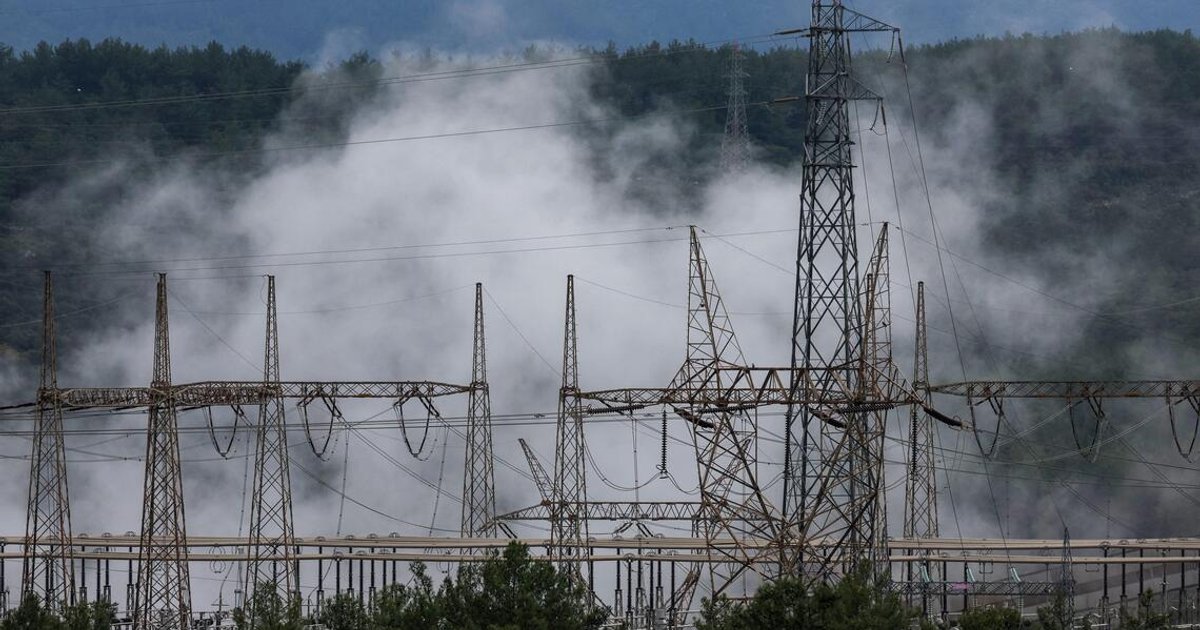
Yet, with a third of its electricity derived from coal, no date for phasing it out and plans to expand two existing coal-fired power plants alongside its electrification drive, COP31 will be a test for Turkey’s climate leadership, campaigners say.
asserted
campaigners → derive → leadership
“What electrification should do is end the dependency on fossil fuels.
asserted
do → end → fuels
That should be the ultimate goal,” said Emel Turker Alpay, an energy campaigner with Greenpeace Turkey.
asserted
Alpay → say → Turkey
She warned that the “35 by 35“ target did not specify electricity should be generated by clean energy – the only way to deliver climate benefits.
asserted
electricity → warn → benefits
“The most important thing would be a commitment to no new coal in Turkey and giving a date for starting a just transition away from fossil fuels,” she said.
asserted
she → give → fuels
Unlike 2025 host Brazil, which put emissions reductions at the heart of its COP agenda, Turkey has largely avoided debate over fossil fuel phase-out, with Bayraktar saying an exit from coal would depend on Turkey ramping up its nuclear power production.
asserted
Turkey → put → production
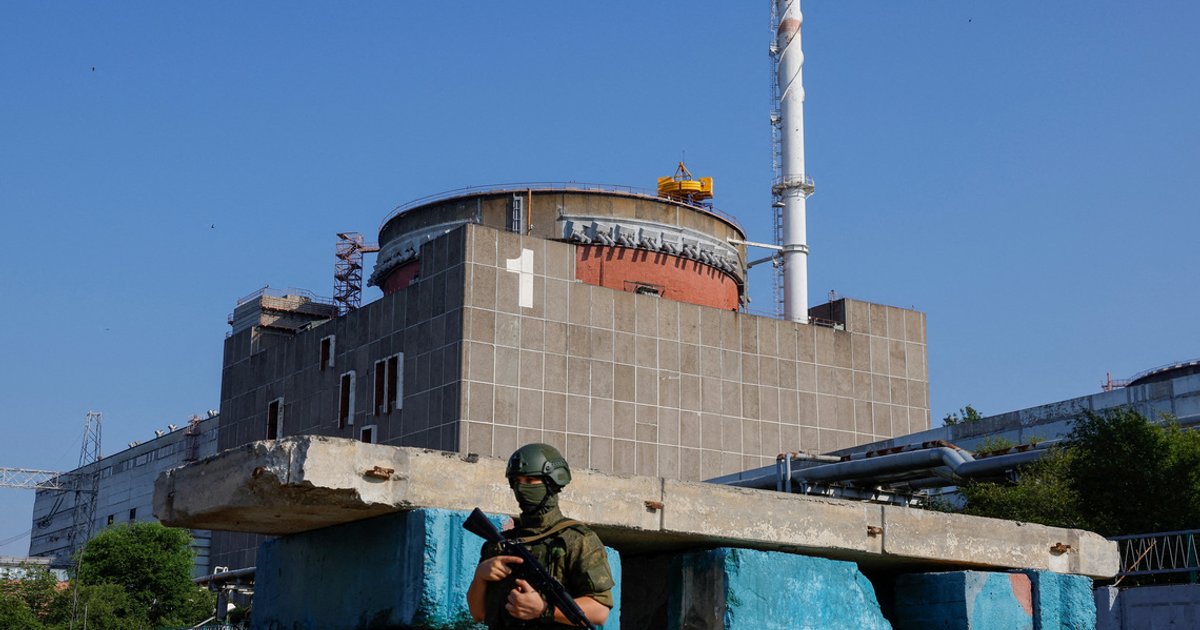
Turkey’s first nuclear plant is due to come online by the end of 2026, with plans to set up two more.
asserted
plant → come → two
‘Weak’ climate targets
Both Turkey and COP31 co-host Australia, which is steering the negotiations, have set targets for reducing heat-trapping emissions, but neither has adopted a national “roadmap” explicitly detailing plans to exit fossil fuels.
asserted
neither → steer → fuels
Although Turkey has set a net-zero goal of 2053, Climate Action Tracker in October warned that its interim targets fell short, with its overall rating still “critically insufficient”.
asserted
rating → set → October
“Turkey... faces a crisis of contradiction: while calling for accelerated climate action, its own targets are weak and lack the ambition necessary to drive much-needed emissions reductions,” it said, urging Ankara to “strengthen” its 2030 and 2035 targets.
asserted
it → face → targets
Yagiz Eren Abanus of the Centre for Spatial Justice – one of 17 environmental organisations in the Turkish Climate Network – said the country’s targets needed a radical rethink.
asserted
targets → say → rethink
“Turkey is not decreasing greenhouse gases but increasing them,” he said, adding that despite Ankara’s pledge to cut projected emissions by 41% by 2035, in real terms it allows “a 16% increase” from today’s levels.
asserted
it → decrease → levels
Turkey is also championing its Zero Waste Initiative, a high-profile environmental diplomacy campaign led by Emine Erdogan, wife of President Recep Tayyip Erdogan, seeking to push international cooperation to reduce methane emissions from waste.
asserted
Turkey → champion → waste
“When you look at the Action Agenda, they want to reduce projected global waste growth by 50% by 2035, which is a good thing,” said Greenpeace’s Alpay.
asserted
Alpay → look → 2035
“But these policies are only focusing on managing waste after it is produced, and not preventing waste at its source.
asserted
it → focus → source
Without stronger commitments to waste prevention and methane reduction, it won’t deliver meaningful emission cuts,” she said.
asserted
she → deliver → cuts
Turkey has not endorsed the Global Methane Pledge and is still importing plastic waste, notably from Europe, which is closely linked to emissions.
“The plastics industry is the fossil fuel industry’s Trojan horse because when they cannot use the fuels they extracted for energy production, they redirect it into the petrochemical industry,” Alpay said.
asserted
Alpay → endorse → industry
“When we limit waste management to recycling, it doesn’t mean much for climate change or emissions.”
asserted
it → limit → change
 The Aporia