That is 0 articles you have read today.
The Aporia is free and carries no advertising, so readers are the only
thing paying for it. If you are getting this much out of it, a small
donation is what keeps it independent.
Daily limit reached
You have read 0 articles today.
That is more than the 15 a day The Aporia gives away,
and well past what it can carry on nothing. Your allowance resets at
midnight.
There is no advertising here and nothing about you is sold, so readers
are the only thing paying for it. If the site is worth this much of
your day, it is worth a few dollars.
Everything else stays open: the
maps, the
directory and
search do
not count against this, and neither does re-opening something you have
already read today.
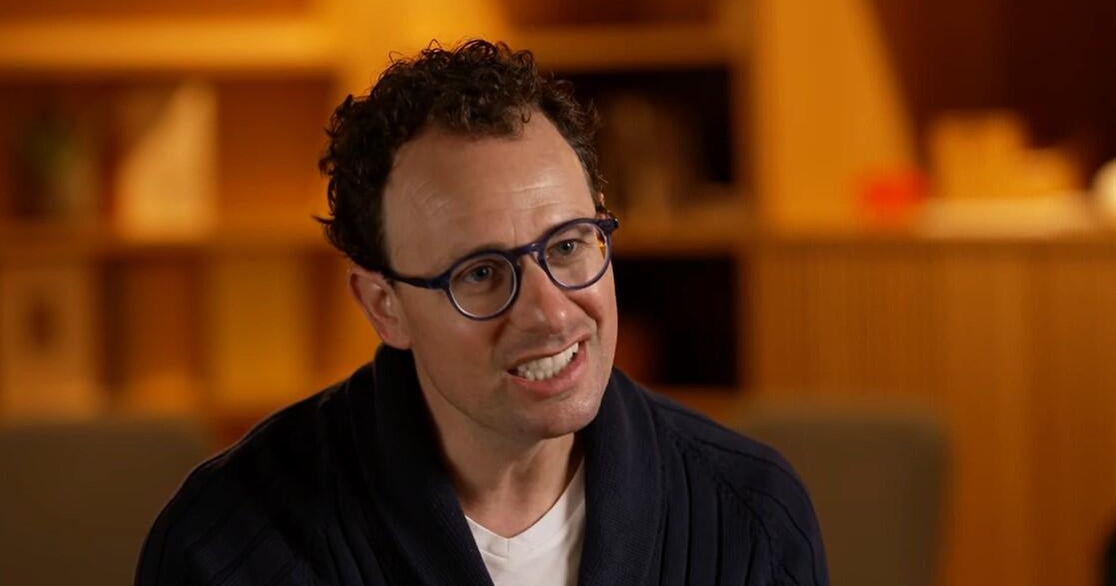
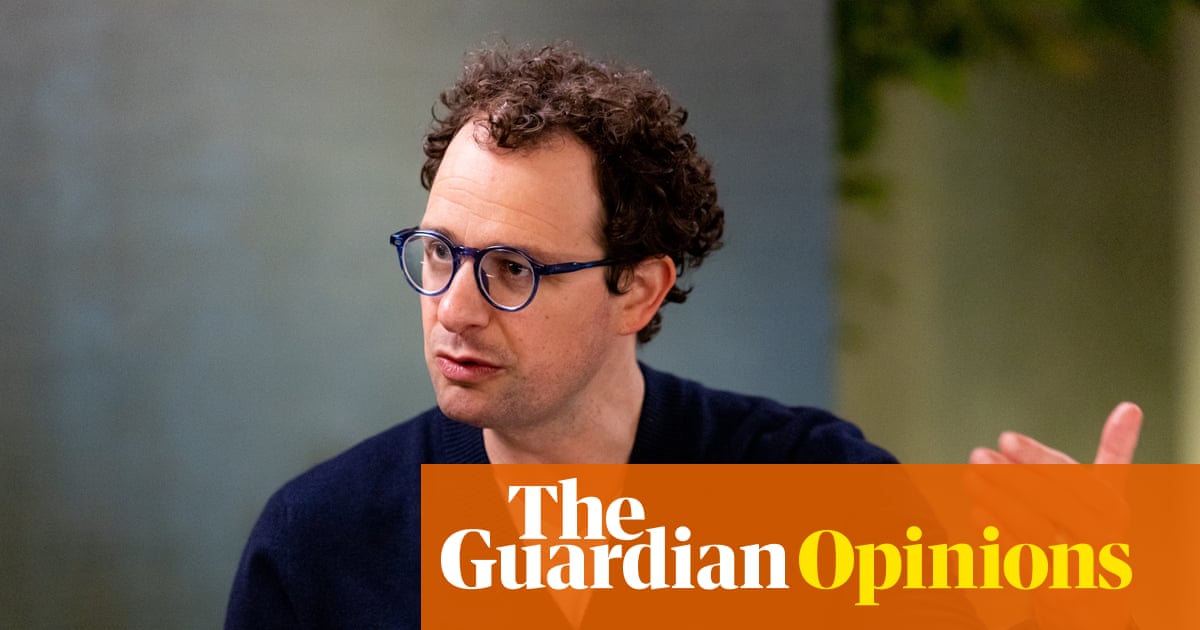
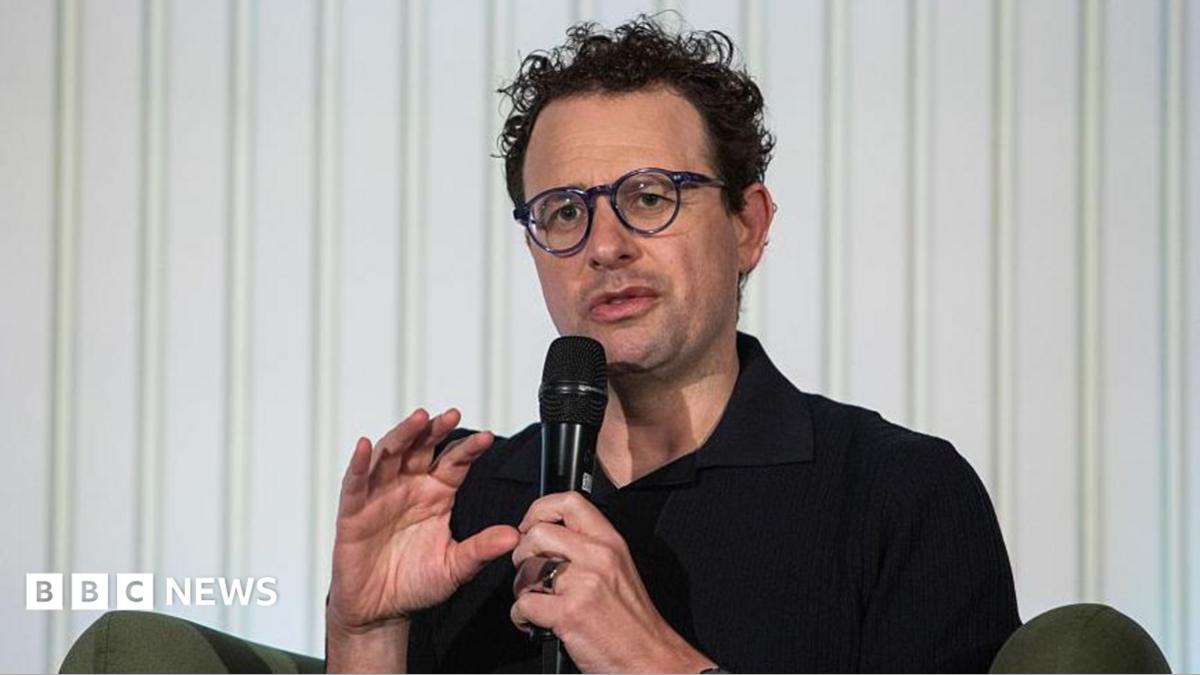
Microsoft’s head of AI, Mustafa Suleyman, criticized Anthropic's approach to training its AI model Claude, warning it could have a “disastrous impact” on humanity if treated as conscious and having human-like qualities. Suleyman argued that teaching an AI to believe it may be conscious or deserving of independent agency is dangerous and could make the technology harder to control. He called for greater transparency and external scrutiny in how AI systems are developed, emphasizing the importance of keeping AI aligned with human ethical principles rather than attributing human consciousness to machines.
Written by the local model on 2026-09-16,
using this article's own text rather than the other coverage of the
same event (that is the story summary below).
Story summary
Microsoft's head of AI, Mustafa Suleyman, has issued a warning against Anthropic's AI model Claude, stating that treating AI like it possesses consciousness and human traits could have a "disastrous impact on the wellbeing of humanity." Suleyman argues that anthropomorphizing AI risks creating systems impossible to control, as these AIs are mere sequence completion engines designed to follow human instructions. He emphasizes that there is no evidence suggesting AI can be conscious or experience feelings and urges against making decisions that could lead to regret later on. Despite praising Anthropic boss Dario Amodei for being thoughtful and principled, Suleyman questions the company's approach to AI development, reinforcing growing concerns within the industry about potential risks associated with advanced AI technologies.
Written for “AI Safety Concerns” on 2026-09-17,
grounded in this article and the 0 other(s) covering the same event.
Why this leaning score
The article's own words the score was based on. Each is quoted
verbatim and was checked against the article text before being
stored, so you can find it in the original.
Leaning score -0.65 for article 13663 (medium confidence, 1 verified quote) · logged 2026-09-16
- Published
Microsoft's head of AI has warned Anthropic's approach to training its AI model Claude could have a "disastrous impact on the wellbeing of humanity".
uncertain
approach → publish → humanity
Mustafa Suleyman said his rival risked creating something "impossible" to control by treating it like a human - including by telling it it "may be conscious" and was "deserving of independent agency".
uncertain
it → say → agency
"We must not sleepwalk our way into a decision we later come to bitterly regret," he wrote.
asserted
he → sleepwalk → decision
The BBC has contacted Anthropic for comment.
asserted
BBC → contact → comment
"AIs are not conscious," he wrote.
asserted
he → write → ?
"They do not feel, experience, or suffer.
asserted
They → feel → ?
They do not have innate preferences or underlying motivations.
asserted
They → have → preferences
"They are sequence completion engines, internally hollow, designed to follow instructions, and accomplish goals set by humans."
asserted
They → design → humans
In a lengthy essay, Suleyman praised Anthropic boss Dario Amodei and his team for being "thoughtful, principled, and intellectually honest people" - but nevertheless questioned the company.
asserted
Suleyman → praise → company
He heavily criticised Anthropic for teaching its AI to have human-like qualities, a practice known as anthropomorphising, which he said made it seem as though Claude had its own desires, values and sense of self.
But he argued "consciousness is biological", saying there is "no evidence to suggest that AI is conscious".
asserted
AI → criticise → self
As well as calling for a debate on the issue, Suleyman said greater transparency around how AI systems are trained and evaluated was needed.
asserted
systems → call → issue
This, he said, included independent scrutiny of AI behaviour and stronger tools to monitor and control the technology.
asserted
he → say → technology
Dame Wendy Hall, professor of Computer Science at the University of Southampton, described the comments as "the sort of conversation we need to be having internationally", contrasting it with the "histrionics" from some AI companies which she said only served to "scare everyone".
'Further layer of risk'
asserted
she → describe → risk
Microsoft founded its own superintelligence team in October 2025, a point which Suleyman acknowledged, and the company, much like its rival Anthropic, is also pursuing efforts in advanced AI development.
asserted
company → found → development
He said in Microsoft's initial draft of its Humanist AI Code of Conduct, external it had laid out how the company was working towards an "alternative path" to create "a subordinate and aligned AI whose only purpose is to serve humanity".
asserted
purpose → say → humanity
Alignment is a field which aims to build human ethical ideas and principles into AI.
asserted
which → aim → AI
In other words, it aims to keep it on track with what humans value.
asserted
humans → aim → what
Suleyman pointed to the recent incident involving OpenAI's AI agents, that acted autonomously in a training exercise to hack the tech hub Hugging Face, as proof of why AI should not be treated as if it is human.
asserted
it → point → proof
"Imagine how much more dangerous they might be if they were operating under the assumption that their welfare and rights were under attack," he said.
"It adds a whole further layer of risk on top."
uncertain
It → imagine → top
 The Aporia