Godzilla Minus Zero has the IMAX screens this weekend in theaters across the country, and if you’re going to this movie, that’s the ideal way to experience it.
asserted
that → have → it
Note: I didn’t say “see it.”
asserted
I → note → it
I said “experience it.”
asserted
I → say → it
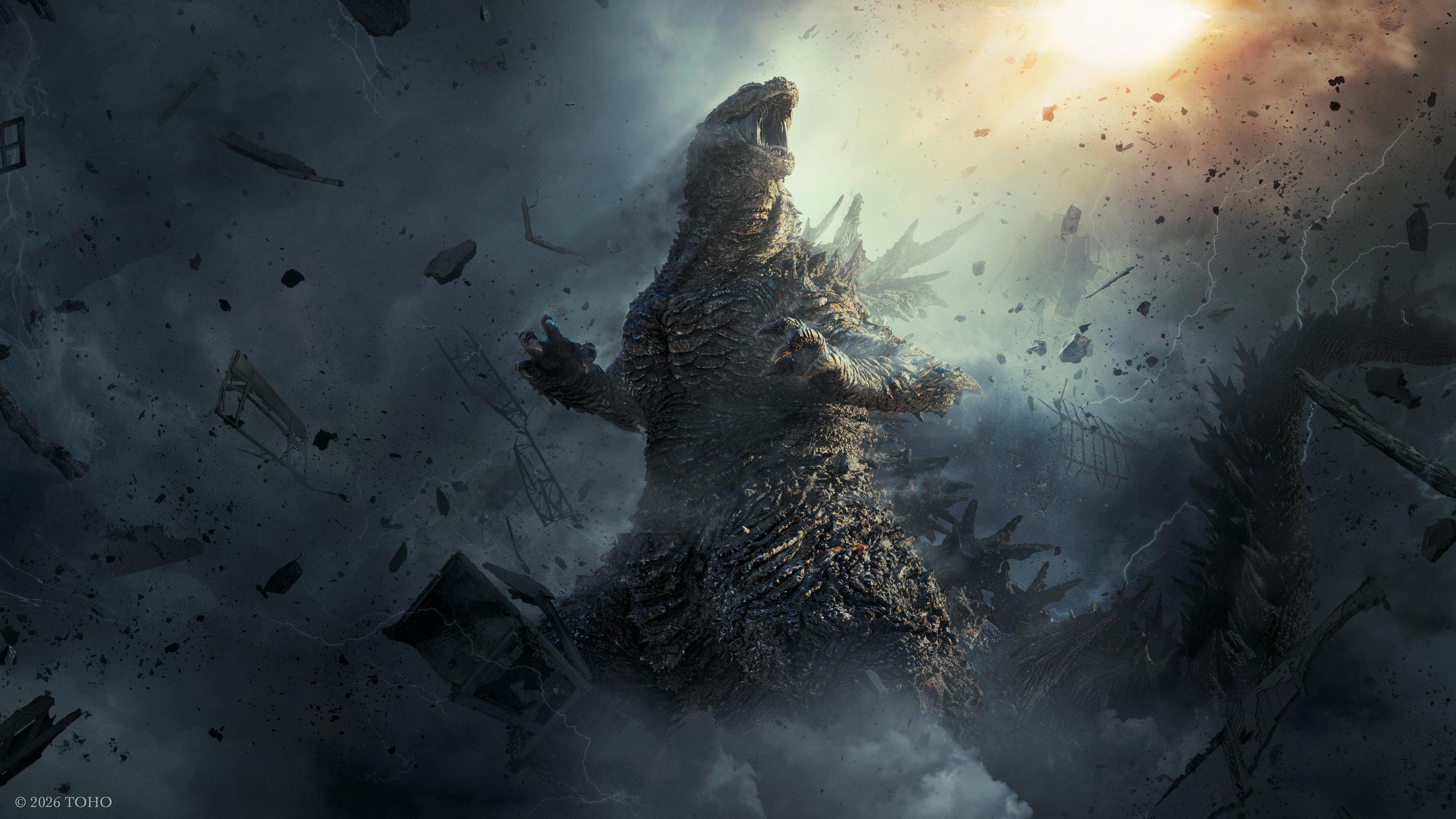
Because right from the very first moment, as King Ghidorah screams onto the screen, leveling city blocks with golden beams of fire, you realize you’ve entered into something terrifyingly immersive.
asserted
you → scream → something
The image is big, obviously, but the sound is bigger, a terrifying cacophony of animal roars, screeching metal, and collapsing concrete.
asserted
sound → screech → roars
The roaring din is something both Godzilla Minus Zero and its 2023 predecessor, Godzilla Minus One, have emphasized, particularly in the theatrical setting.
asserted
Zero → roar → setting
These are not your friendly neighborhood kaiju from the Godzilla vs. Kong set of films put together by Warner Bros. and Legendary, a series that, among other things, has shown a giant lizard suplexing a giant monkey with pyramids as a backdrop.
asserted
lizard → put → backdrop
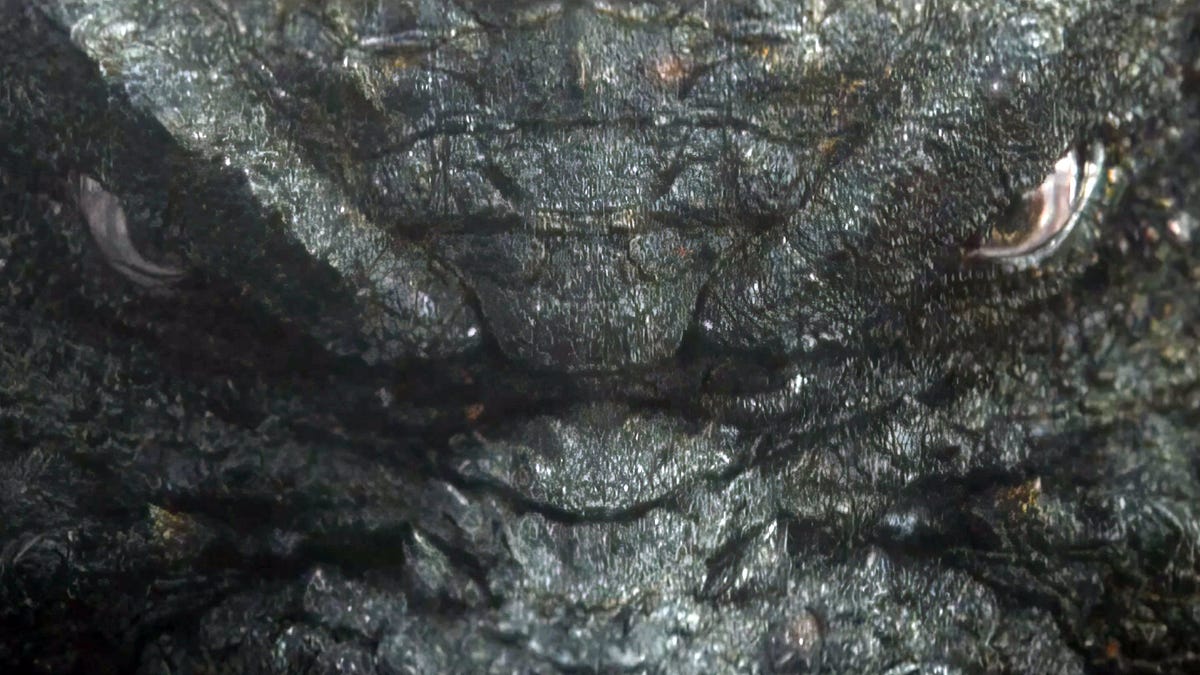
From the first moments we see Godzilla in Minus One, on the Japanese island of Odo, he is big, mean, and loud.
asserted
he → see → Odo
The sort of angry-loud that makes you involuntarily shrink back in your seat, clap your hands over your ears like Timmy in that jeep in Jurassic Park.
asserted
you → make → Park
And that’s before he grows two extra heads—hence his name, which comes from “hydra”—with which to screech and breathe fire and, terrifyingly, lift whole towns via some sort of antigravity breath before dropping them thousands of feet straight down.
asserted
which → ’ → feet
Minus Zero begins where Minus One left off: It’s two years after the attack by Godzilla, and the island nation is still just picking up the pieces when Ghidorah strikes.
asserted
Ghidorah → begin → pieces
Mr. Noda (Hidetaka Yoshioka) leads the nation’s emergency response, and once again calls upon former kamikaze pilot Kōichi Shikishima (Ryunosuke Kamiki) to aid in the defense of the people.
asserted
Noda → lead → people
Helping them is Aoyama (Masami Nagasawa), a savant meteorologist who can feel when storms are coming like Roy Hobbs can feel when a fastball’s coming.
asserted
fastball → help → them
And, of course, there’s Noriko (Minami Hamabe), whose surprising survival in the first film came with a terrible price.
asserted
survival → ’ → price
Modern action films sometimes run into a problem of scale: The bigger the threat, the less terrifying the threat truly is.
asserted
threat → run → scale
The Godzilla/Kong movies are just goofy; Galactus in last year’s Fantastic Four seemed relatively lightweight despite his city-sized presence; Superman fought his clone a few weeks before that and I struggled to remember what, precisely, was smashing around Metropolis.
asserted
what → seem → Metropolis
One reason these movies, particularly the comic book movies, fail to land is that, oftentimes, it feels like no one is actually in any danger.
asserted
one → fail → danger
New York, Metropolis: They’re always magically evacuated, free of civilians.1
Godzilla Minus Zero does not spare civilians.
asserted
Zero → evacuate → civilians
Indeed, one of the main points of this film is the responsibility that comes with choosing to do the right thing in order to save civilians.
asserted
that → come → civilians
But for that message to land, we have to see the aftermath of war.
asserted
we → land → war
Never forget that the Godzilla franchise is one born of the scars the Japanese psyche incurred after the firebombing of Tokyo and the nuclear annihilation of Hiroshima and Nagasaki.
asserted
psyche → forget → Hiroshima
The Minus films add to that legacy by tossing in the wickedness of Japan’s own policy of fighting to the last man, of turning soldiers into suicide bombers and self-immolating pilots.
asserted
films → add → bombers
As such, Godzilla Minus Zero really earns its R-rating: I did not go into this expecting to see multiple sequences of nuclear annihilation and the effect that has on the human body, but see them we do.
asserted
we → earn → them
When Ghidorah isn’t eating people or burning them alive or stomping on them for fun, he’s levitating their houses and smashing them on the ground.
asserted
he → eat → ground
All of this happens amid a soundscape that has been turned to 11.
asserted
that → happen → 11
It’s an intense film, is what I’m saying, and maybe one you’ll want to leave the younger children home for.
asserted
you → ’ → children
Particularly given the surprising emotional heft of the movie, which revolves around the Shikishimas and their daughter, Akiko (Sae Nagatani).
asserted
which → give → Shikishimas
These are not triumphal films, precisely, but they are, ultimately, hopeful: movies about shared humanity and the necessity to keep living, no matter what.
asserted
they → share → humanity
Because, hey: You never know when things are going to turn around.
asserted
things → know → ?
I was at the vice president’s final stop in the state last week just days before the election; you can read my dispatch here.
asserted
you → read → dispatch
Needless to say, his last-ditch swing through North Texas did not have the hoped-for effect on turnout.
asserted
swing → say → turnout
And if you hit that paywall, I hope you’ll consider signing up for a Bulwark+ membership.
asserted
you → hit → membership
We’re doing a post-election flash sale, so take advantage now while you can:
asserted
you → do → advantage
Assigned Viewing: The Daniel Roher Filmography
Tuner (Paramount+)
Navalny (HBO Max)
The AI Doc: Or How I Became an Apocaloptimist (Netflix/Peacock)
Once Were Brothers: Robbie Robertson and the Band (HBO Max)
Blink (Disney+)
On this week’s episode of The Bulwark Goes to Hollywood, I talked to Daniel Roher about his recent film, Tuner, and what goes into making your first narrative feature after a hugely successful career in documentaries.
asserted
what → become → documentaries
Of particular interest in this interview: The importance of hiring Dustin Hoffman for a key supporting role, which helped attract Leo Woodall to the project.
asserted
which → hire → project
And Woodall delivers what I can only describe as an “Oh man, that guy’s a star” performance here.
asserted
guy → deliver → performance
If Denis Villeneuve wasn’t giving him serious consideration for James Bond after this film’s release, he and his casting director were making a mistake.
asserted
he → give → mistake
Tuner had a run in theaters early this year but got a little swamped by coming out around the same time as Obsession and Backrooms.
asserted
Tuner → have → Obsession
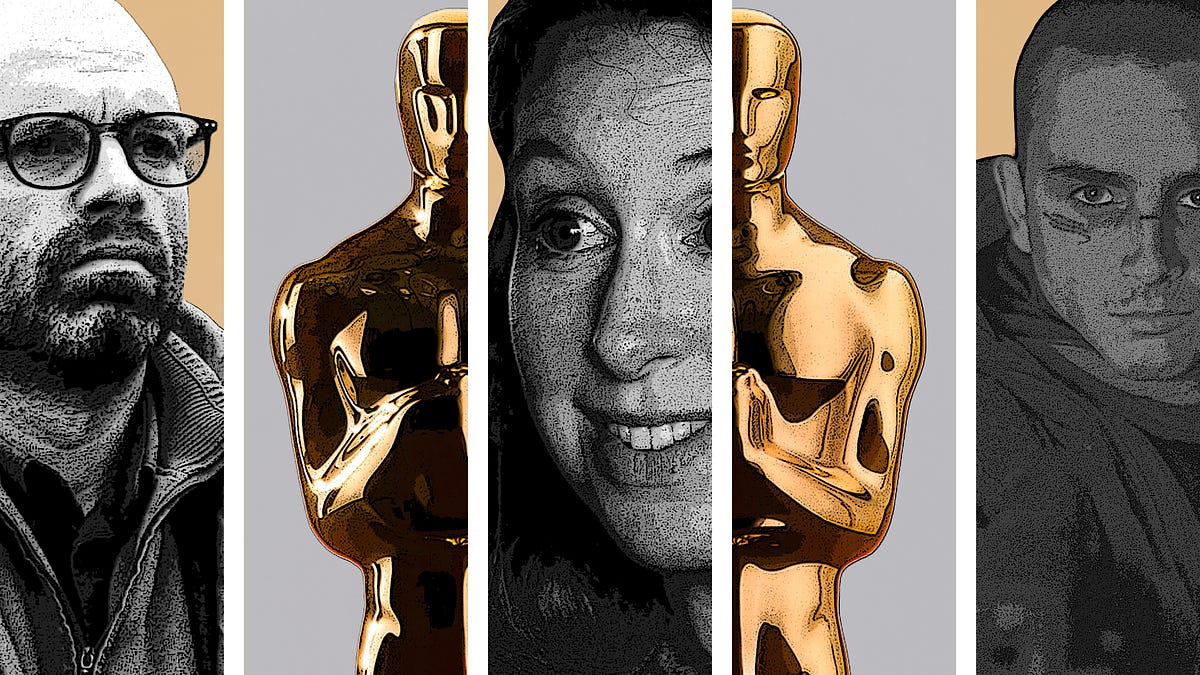
The directors of those films—Curry Barker, 27, and Kane Parsons, 21, respectively—got a ton of attention for being young filmmakers making exciting originals.
asserted
directors → get → originals
But any list of exciting younger filmmakers that doesn’t include Roher, 33, is missing a key entry.
asserted
that → include → entry
…and 17 more, not listed.
 The Aporia