Democrats won their largest congressional victory since the 1976 Watergate election—overwhelmingly flipping both the House and Senate.
asserted
Democrats → win → House
And while the dance music is still playing, a debate has already burst forward over whether those election results were merely a rebuke of President Donald Trump’s failures, and whether it was progressives or moderates who produced the secret recipe for Democrats’ success.
asserted
who → play → success
Anyone seeking to understand the midterm’s lessons should start here: Democrats won by being populist economic fighters who were unafraid to call out the corrupt politicians and corporate interests who have rigged the system at the expense of everyone else.
asserted
who → seek → everyone
Now, Democrats must deliver.
asserted
Democrats → deliver → ?
In 2024, Trump swept back into power, declaring he would cut costs on “day one” and bragging he would “end inflation and make America affordable again.”
asserted
America → sweep → inflation
Instead, Trump and Republicans took a wrecking ball to the economy, cutting health care to finance tax breaks for rich people and giant corporations, imposing chaotic tariffs, and launching a war with Iran.
asserted
Trump → take → Iran
With astonishing brazenness, Trump has attempted to reengineer the federal government into a corruption machine designed to rake in profits for himself, his family, and his cronies.
asserted
Trump → attempt → himself
In the most competitive 2026 races, in blue, purple, and red states, including places like Texas and South Carolina that have not elected Democrats statewide for decades, Democrats won by recognizing Americans’ economic pain, denouncing Washington corruption that has made a rigged economy worse by favoring giant corporations over working people, and by pledging to upend this system.
asserted
economy → include → system
Democrats relentlessly and rightfully criticized Trump’s economy, but we also made a much deeper point—and it struck home.
asserted
it → criticize → home
The first Democratic Governor of Texas in 30 years, Gina Hinojosa, said, “The one fight in this country is about economic power.”
asserted
fight → say → power
Red-state winners like Sherrod Brown, James Talarico, and Jon Ossoff called out a “rigged” system.
asserted
winners → call → system
In South Carolina, Annie Andrews pledged to take on “big insurance, big tech, big pharma, and the utility monopolies.”
asserted
Andrews → pledge → insurance
Josh Turek promised to fight for Iowans, “not for billionaires and large corporations.”
asserted
Turek → promise → billionaires
Chris Pappas declared to New Hampshire voters in his victory speech: “Tonight’s results are a wake-up call for the corporate special interests and billionaires who have been rigging the economy.”
asserted
who → declare → economy
Across the country, Democrats stood up for big policy changes like increasing the federal minimum wage, expanding child care, reining in Big Tech, data centers, and AI, and reforming health care.
asserted
Democrats → stand → care
We came with plans—specific policies to dismantle a rigged system and beat back concentrated corporate power.
asserted
We → come → power
From Mary Peltola in Alaska to Roy Cooper in North Carolina, Democrats called for blocking grocery store mergers that drive up prices.
asserted
that → call → prices
Both Iowa’s Josh Turek and Texas’ James Talarico promised to break up vertical integration between insurance companies, pharmacy benefit managers, and pharmacies.
asserted
Turek → promise → companies
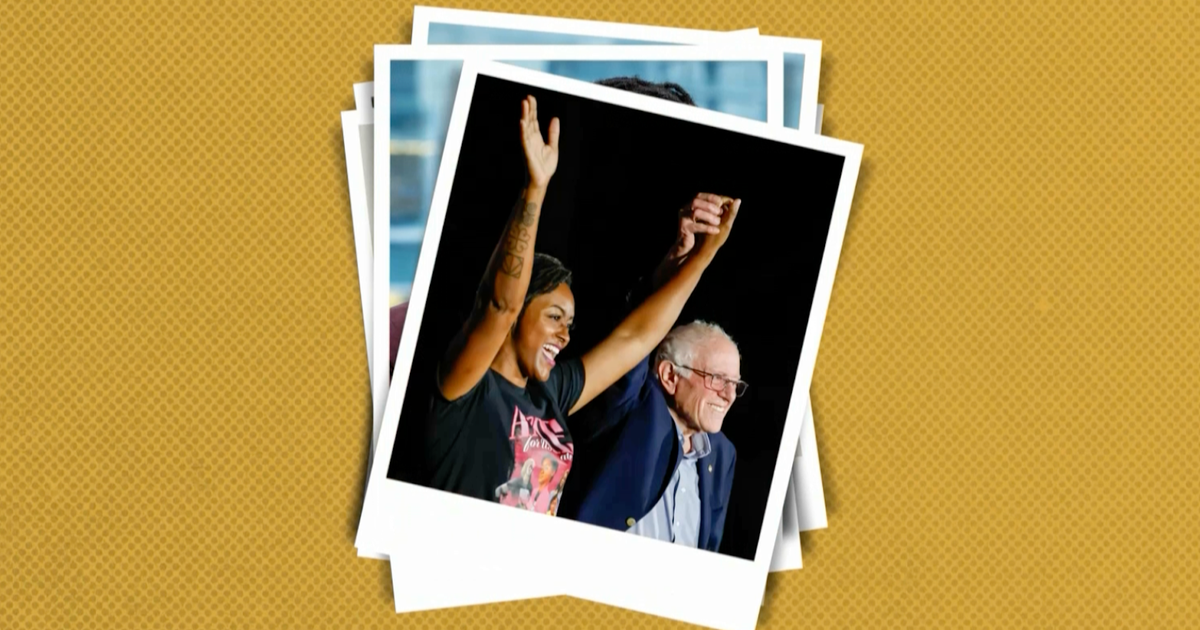
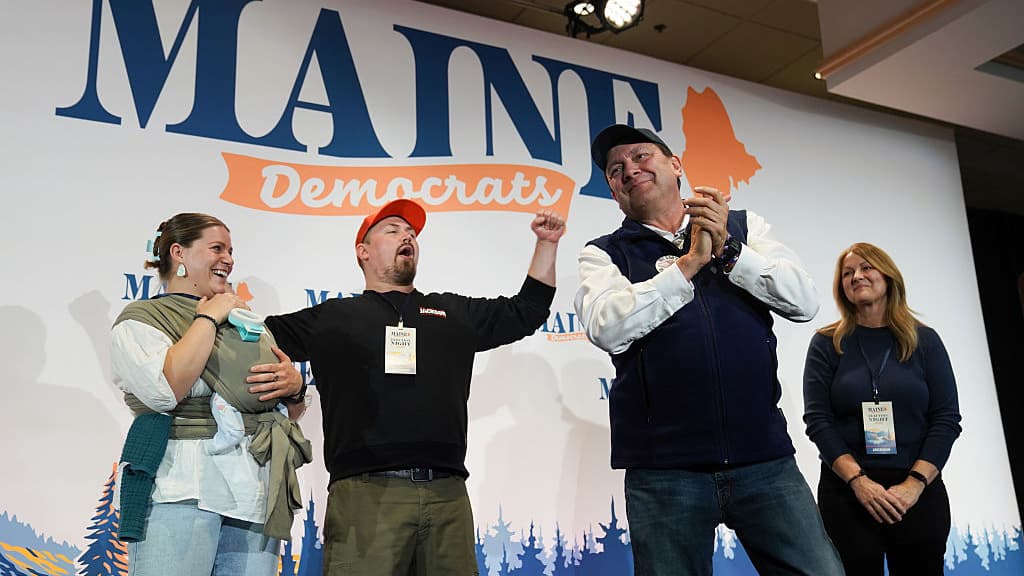
Maine’s Troy Jackson and Michigan’s Abdul El-Sayed beat Republicans by proudly campaigning for Medicare for All.
asserted
Jackson → beat → All
And plenty more Democrats like Lindsay James (IA), Zach Dembo (KY), Denise Powell (NE), and Jamie Ager (NC) flipped Republican seats after demanding a public insurance option that is available to all Americans.
asserted
that → flip → Americans
Not long ago, trying to flip a seat from red to blue by promising to raise taxes on the rich was considered unthinkable.
asserted
trying → try → rich
But Democrats did just that—and won.
asserted
Democrats → do → that
None of this happened without Democrats putting in the work to earn the trust of voters.
asserted
Democrats → happen → voters
Our new housing affordability law—that Donald Trump refused to sign—was a critical proof point.
asserted
Trump → refuse → that
And in races from Kentucky to Indiana to South Carolina, candidates loudly proclaimed their support for blocking private equity from gobbling up housing.
asserted
candidates → proclaim → housing
Andrews and Kansas’s Adam Hamilton specifically campaigned on cracking down further on Wall Street ownership of single-family homes than the historic provisions that passed Congress this summer.
asserted
that → campaign → Congress
Now it’s time to act.
asserted
it → ’ → ?
Donald Trump says he wants to work with Democrats.
asserted
he → say → Democrats
We should force him to do that on the affordability and corruption issues that drove this election—or call his bluff.
asserted
that → force → bluff
I’m ready to team up with any Republican who is listening to the American people.
asserted
who → ’m → people
But if Congressional Republicans won’t join us to deliver relief for working families, Democrats will do it without them.
asserted
Democrats → join → them
Some Democrats have already argued that it’s wasted energy to send bold policy changes to the Trump White House.
asserted
it → argue → House
I think that’s just plain wrong.
asserted
that → think → ?
It would be a breach of faith with the people from South Carolina to Texas, who voted for us to address costs and corruption, to spend the next two years waiting for some future Democratic trifecta to hopefully deliver meaningful change.
asserted
trifecta → vote → change
Trump says he welcomes the nickname “Mr. Veto.”
asserted
he → say → nickname
Well, let’s test that out by passing legislation the American people support to make life more affordable and our government less corrupt.
asserted
government → let → legislation
Democrats have power on spending bills that require our votes, and we should use it.
asserted
we → have → it
The reconciliation budget process also allows us to pass big chunks of legislation without a single Republican vote, so we should reverse Republican health care cuts, expand health care coverage, and fund universal child care.
asserted
we → allow → care
We can start with canceling the tax breaks Trump and the Republicans handed out to corporations, ultra-millionaires, and billionaires.
asserted
Trump → start → corporations
Next, where Democrats agree reconciliation is not an option, like with bills to ban stock trading by federal officials or crack down on Trump’s corruption in plain sight, Democrats should put the bills up for a vote.
asserted
Democrats → agree → vote
…and 5 more, not listed.
 The Aporia