Erin Patterson's lawyers are appealing her conviction for triple murder by arguing that the jury was not properly sequestered during her trial. The lawyers claim that members of the jury stayed in a hotel with witnesses and prosecution members, potentially compromising the fairness of the trial. No evidence suggests that the jury communicated with others, but the lawyers argue this still represents a "fundamental failure" of the legal process. Patterson was sentenced to life imprisonment, eligible for parole after 33 years, and is now appealing her conviction in Melbourne's Supreme Court.
Written by the local model on 2026-08-19,
using this article's own text rather than the other coverage of the
same event (that is the story summary below).
Story summary
Erin Patterson, a 51-year-old Australian woman, is appealing her conviction for murdering three relatives and attempting to kill another by serving them a meal containing death cap mushrooms. She was found guilty in July last year of killing her husband's parents, Don and Gail Patterson, and his aunt Heather Wilkinson, at her home in Leongatha, Victoria, and sentenced to life in prison with the possibility of parole after 33 years. Patterson's lawyers argue that the jury sequestration was fundamentally flawed because jurors were housed in the same hotel as the police and media, which could have influenced their verdict. The prosecution is also appealing against the sentence, arguing that a 33-year parole period is "manifestly inadequate" given the severity of the crimes. In a separate challenge, Crown prosecutors are urging the court to reject Patterson's appeal, stating that her crimes were "truly dreadful" and that she should never be allowed to leave prison. The Court of Appeal in Melbourne will reserve its decisions on both appeals, meaning it could take weeks or months before the outcome is known.
Written for “Erin Patterson's Murder Appeal” on 2026-08-31,
grounded in this article and the 6 other(s) covering the same event.
Why this leaning score
The article's own words the score was based on. Each is quoted
verbatim and was checked against the article text before being
stored, so you can find it in the original.
Leaning score +0.35 for article 1312 (medium confidence, 1 verified quote) · logged 2026-08-21
Patterson was found guilty last year of murdering her husband's parents and an elderly aunt in 2023 by serving them a beef Wellington lunch laced with lethal death cap mushrooms.
asserted
Patterson → find → mushrooms
Australian mushroom killer Erin Patterson's lawyers said on Wednesday the jury was not properly sequestered in her trial as they sought to overturn her conviction in a triple-murder case that sparked a worldwide media frenzy.
asserted
that → say → frenzy
The 51-year-old was found guilty last year of murdering her husband's parents and an elderly aunt in 2023 by serving them a beef Wellington lunch laced with lethal death cap mushrooms.
asserted
old → find → mushrooms
Patterson was also convicted of the attempted murder of her husband's uncle, a small-town local pastor who survived the beef-and-pastry dish after weeks in hospital.
asserted
who → convict → hospital
A judge sentenced her to life imprisonment, eligible for parole after 33 years.
asserted
judge → sentence → years
Three judges are hearing two appeals on Wednesday and Thursday: Patterson's attempt to overturn her conviction and the prosecution's demand for a stiffer sentence.
asserted
judges → hear → sentence
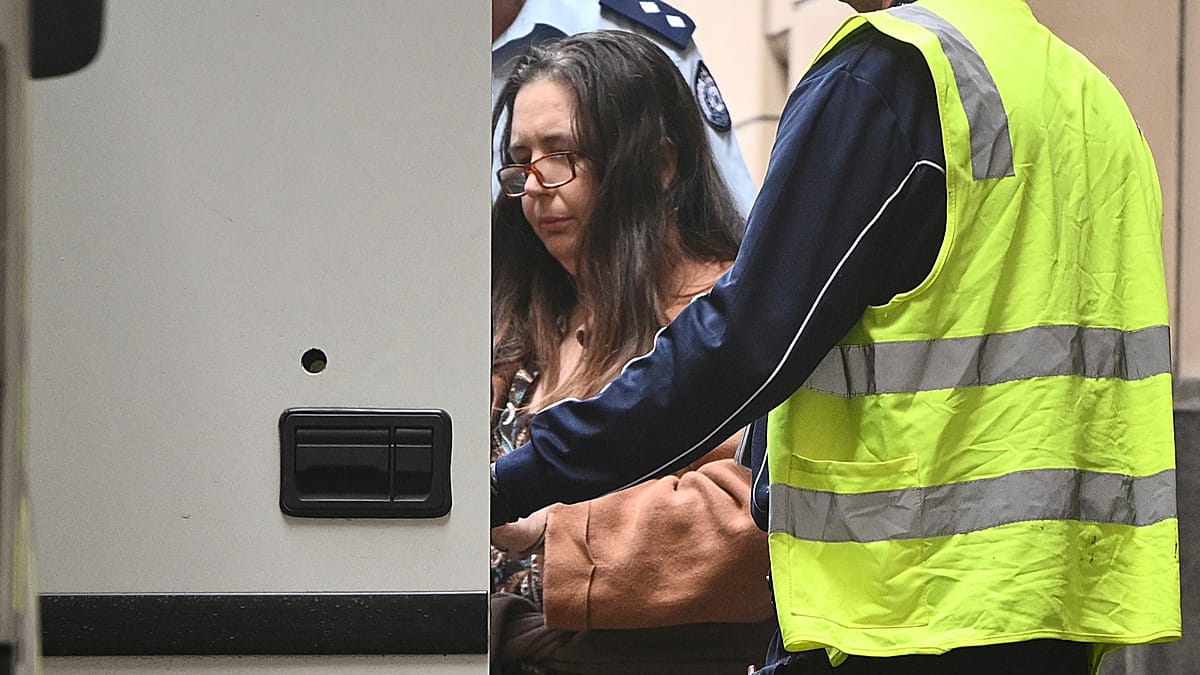
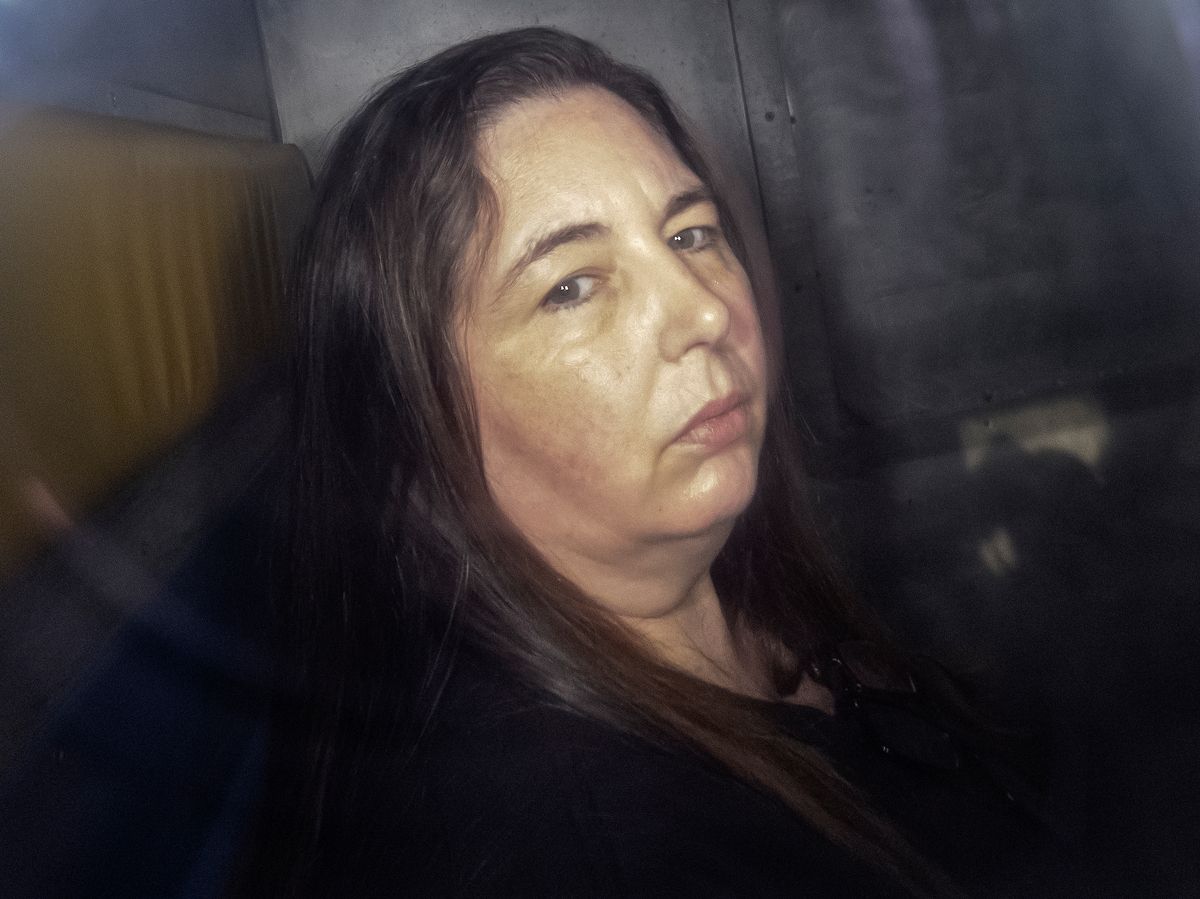
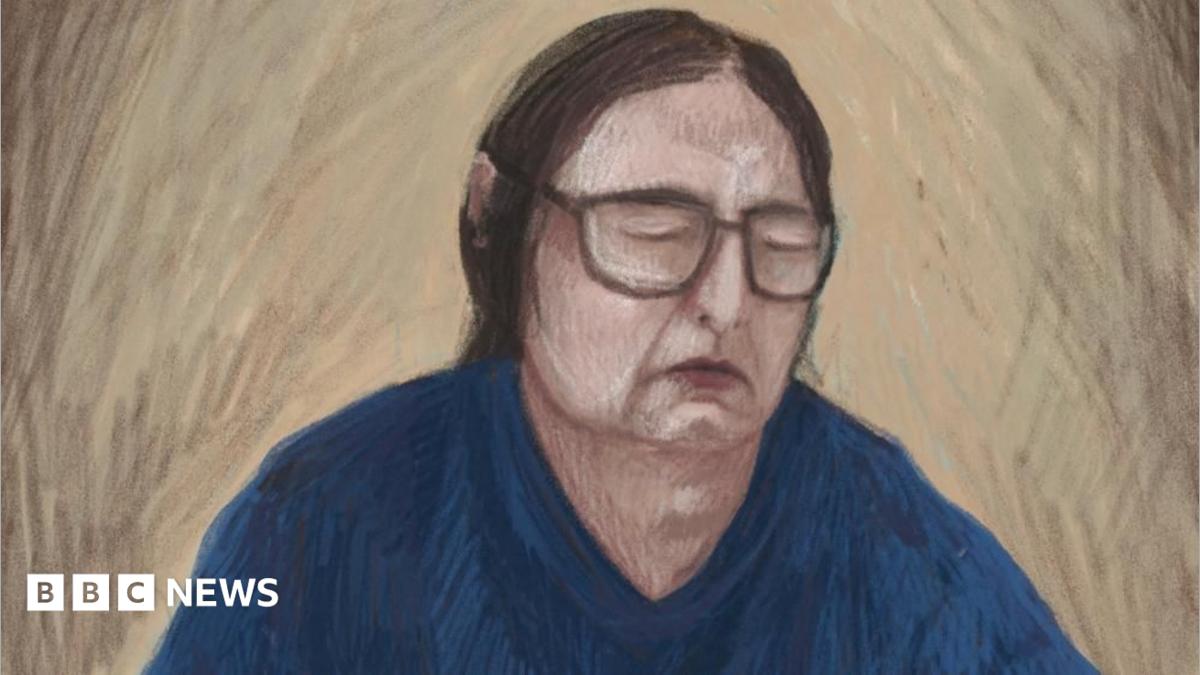
Patterson watched the proceedings at Melbourne's Supreme Court via a live video link from her maximum-security prison, the Dame Phyllis Frost Centre, in Melbourne's western suburbs.
asserted
Patterson → watch → suburbs
Her lawyer, Richard Edney, argued that the fact that members of the jury had stayed in the same hotel as a witness for the police, as well as members of the prosecution, undermined the fairness of the trial.
asserted
members → argue → trial
He said it represented a "fundamental failure" of the legal process "in perhaps one of the most high-profile criminal trials this state has ever had."
asserted
state → say → trials
But he conceded there was no evidence to suggest the jury had communicated with others.
asserted
jury → concede → others
Patterson's other lawyer, Veronika Drago, argued that some evidence allowed by the judge, relating to cell towers and posts of death cap mushroom sightings, had been "innocuous" and unreliable.
asserted
evidence → argue → sightings
That she was forced to answer questions based on this evidence "arises to the level of a substantial miscarriage of justice," Drago said.
asserted
Drago → force → justice
Other evidence about mushroom images on a memory card in Patterson's home was wrongly excluded, the lawyer said in an appeal submission in November last year.
asserted
lawyer → exclude → November
Patterson's solicitor additionally accused the prosecution of an "unfair and oppressive" cross-examination during the trial.
asserted
solicitor → accuse → trial
Before listening to the arguments in detail, the Court of Appeal judges must decide whether the grounds justify granting Patterson leave to challenge her conviction at all.
On the other side, the prosecution has appealed against Patterson's sentence, saying the non-parole period of 33 years imposed by the judge was "manifestly inadequate."
The judge erred in finding there was a substantial chance Patterson would be held in solitary confinement for years to come and this "infected" his decision, the prosecution argued.
asserted
prosecution → listen → decision
A 12-person jury found Patterson guilty in July last year of murdering her husband Simon's parents, Don and Gail Patterson, as well as his aunt, Heather Wilkinson, at her home in the Victorian farming village of Leongatha.
asserted
Patterson → find → Leongatha
She was also found guilty of attempting to murder Heather's husband Ian, a pastor who fell gravely ill but eventually recovered.
asserted
who → find → husband