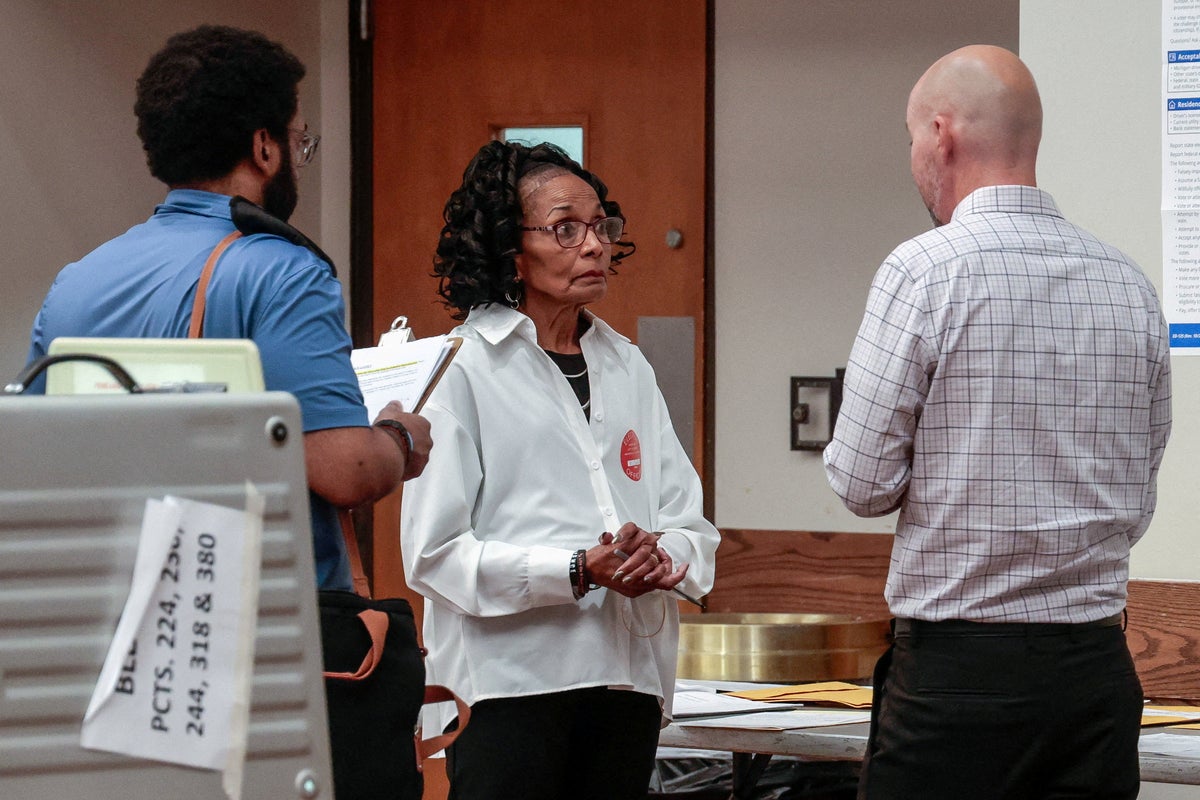
In the run-up to Tuesday’s elections, the Trump administration would not dismiss the idea that federal immigration agents could show up to polling places, or that the president could invoke a national emergency to seize control of elections from individual states after failing to do so in Congress and in courts.
uncertain
president → dismiss → courts
In the end, though, immigration officers didn’t patrol the polls.
asserted
officers → patrol → polls
The president didn’t invoke the Insurrection Act or some other emergency action.
asserted
president → invoke → Act
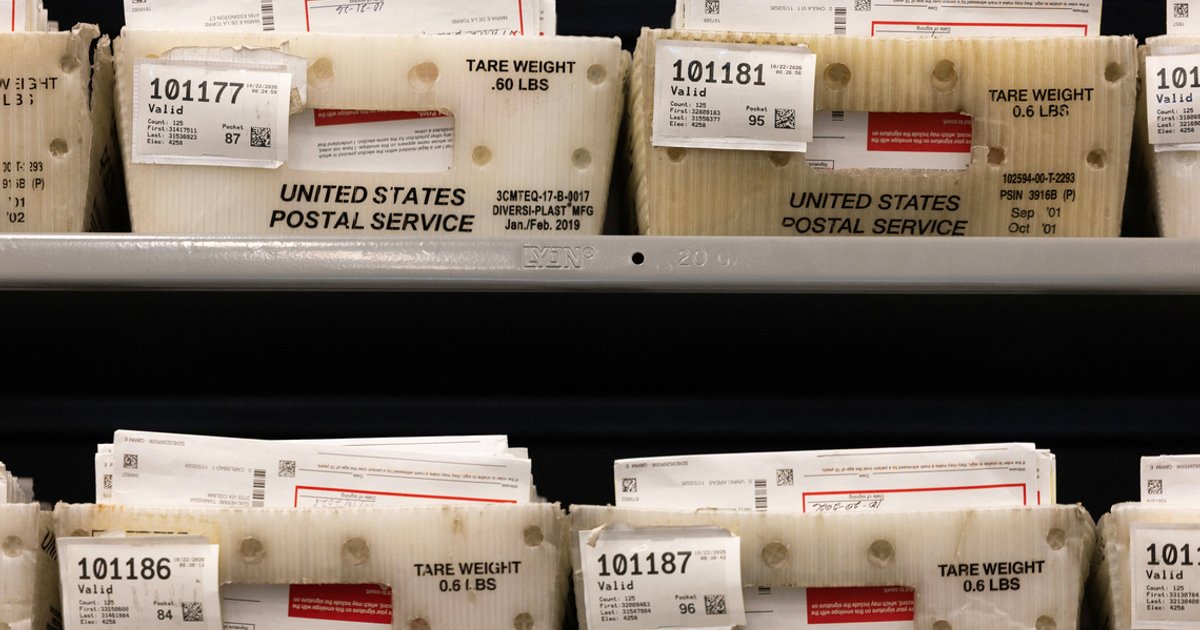
Feds didn’t seize any ballots or voting machines.
asserted
Feds → seize → ballots
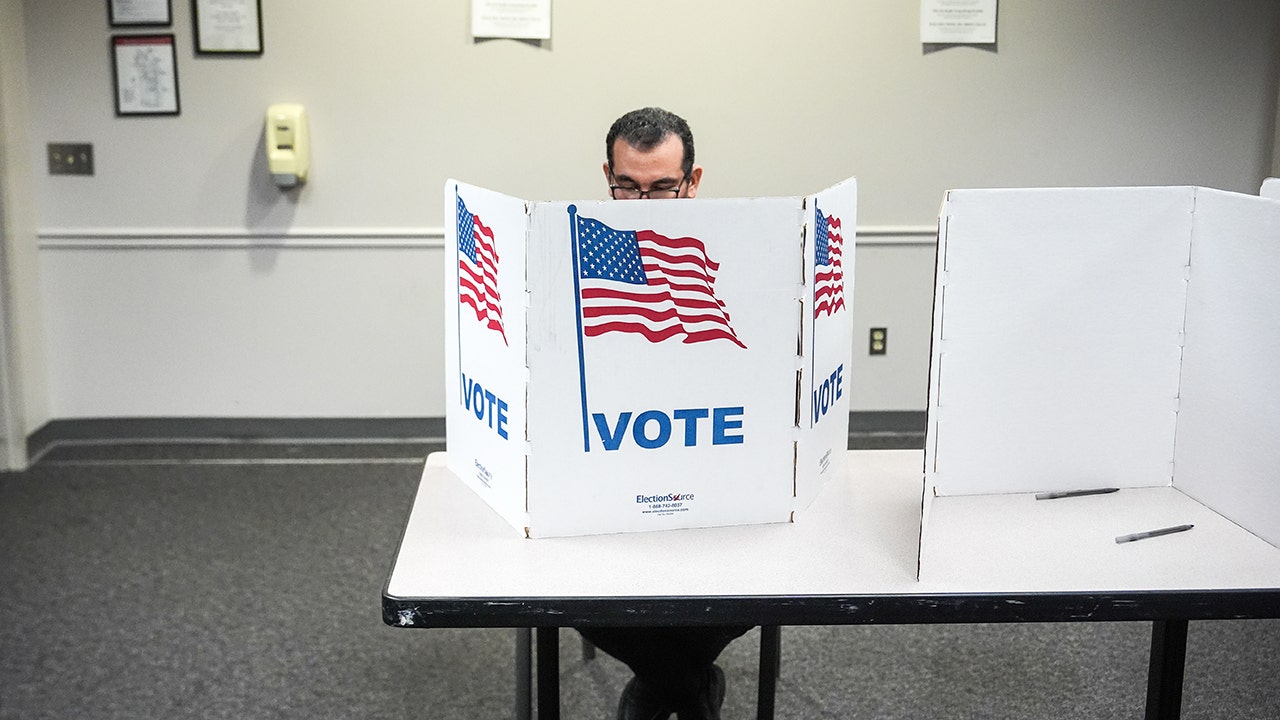
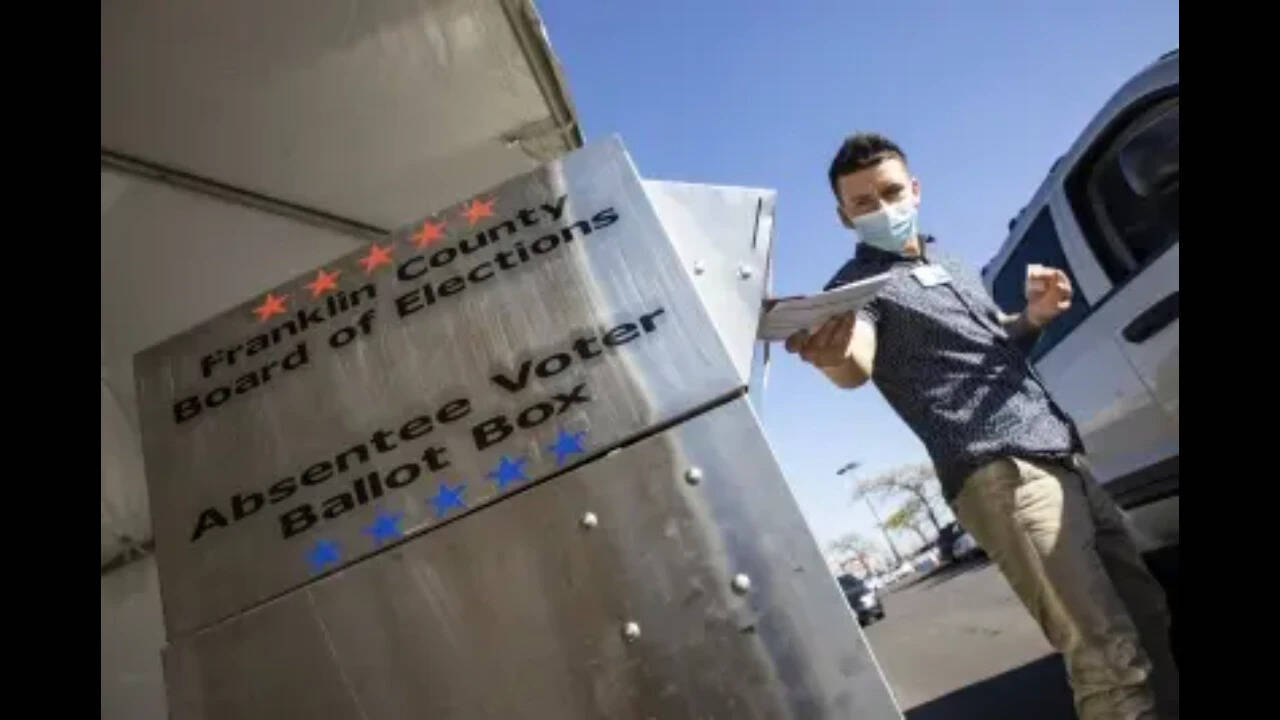
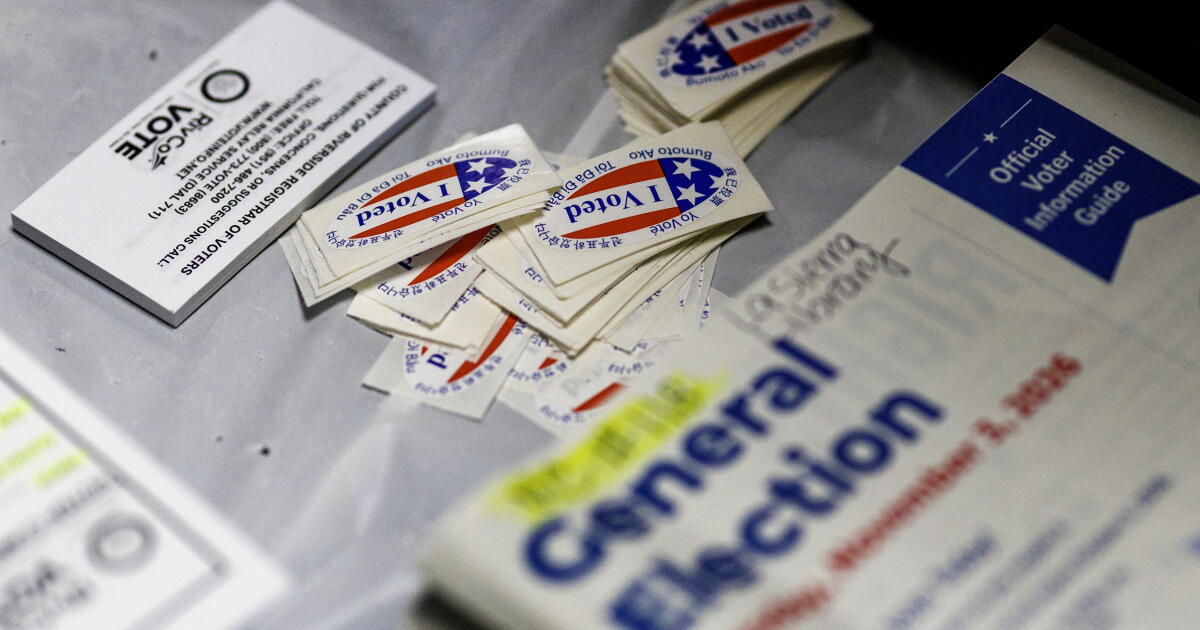
Instead, more than 124 million Americans cast their ballots in midterm elections this year, according to preliminary results, marking the second-highest turnout rate for a midterm election in modern American history.
uncertain
Americans → cast → history
State election officials and voting rights groups who sued to stop the administration from sending federal agents to the polls have attributed those figures to the hard work of poll workers and others who run the nation’s elections free of interference.
asserted
who → sue → interference
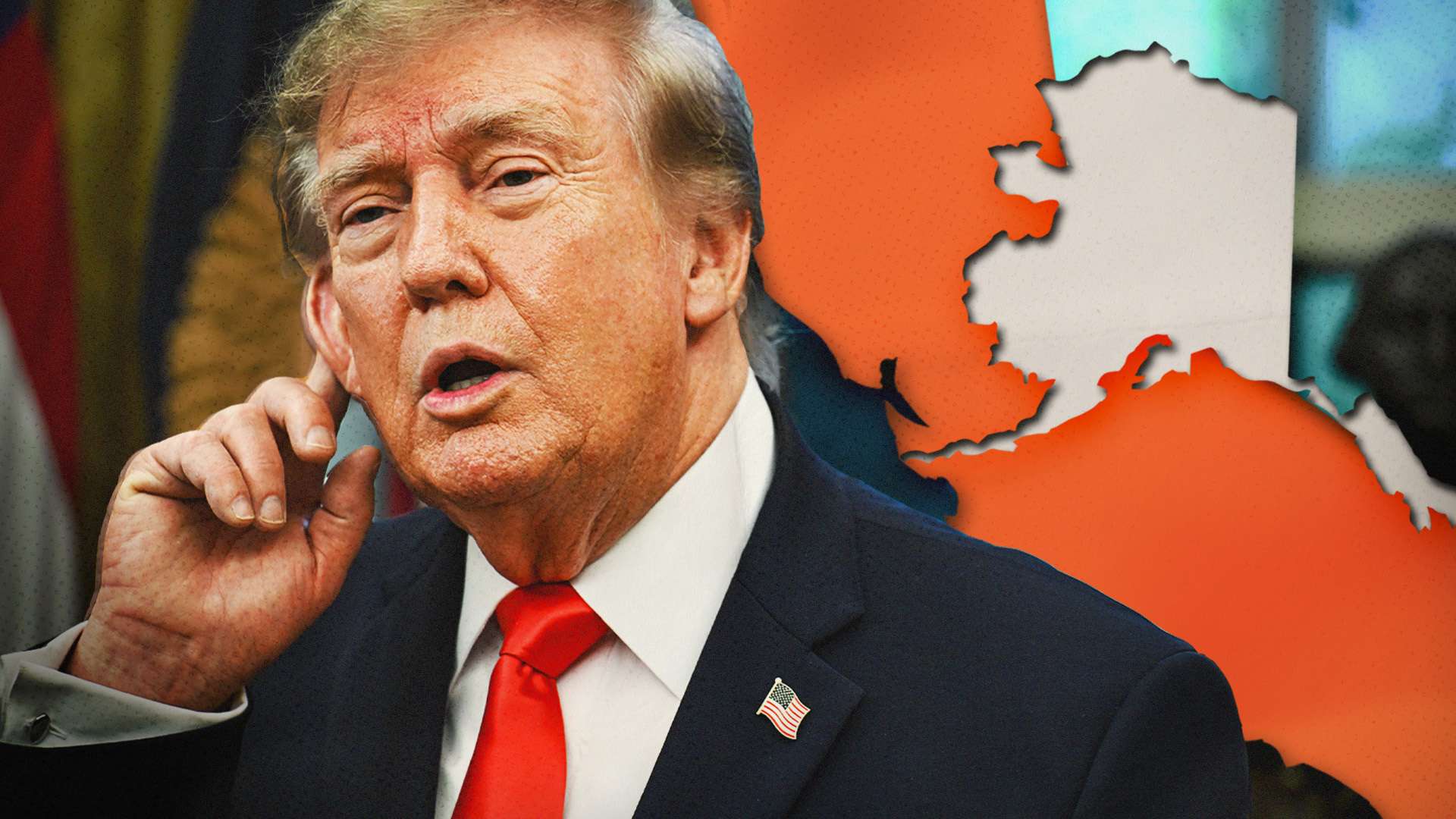
But Donald Trump took unprecedented steps this year to insert himself into how elections are run, an effort that merged his crusade against “fraud” with his administration’s mass deportation efforts.
asserted
that → take → efforts
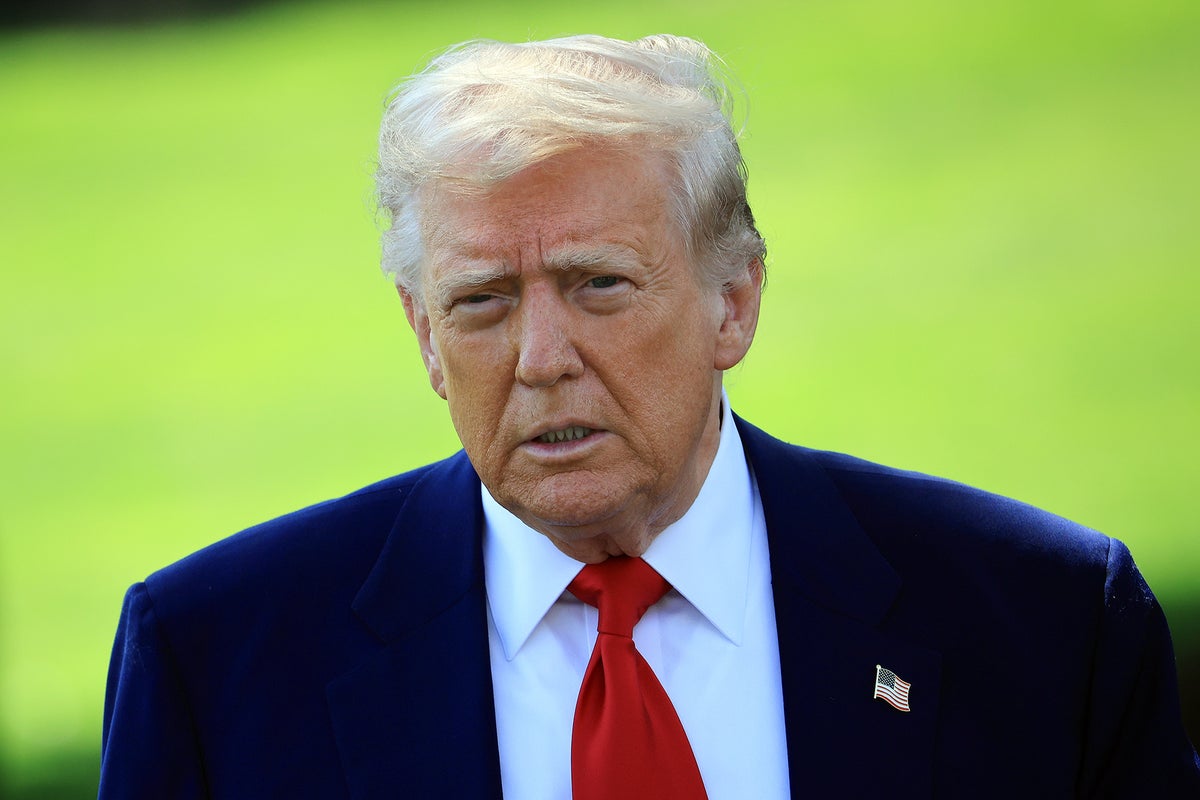
By Tuesday night, the Republican president admitted his party’s defeat — without incident.
asserted
president → admit → incident
“Any stolen election nonsense is gonna fall flat in the face of a blowout,” former Arizona elections official Stephen Richer summed it up.
asserted
Richer → steal → it
But it wasn’t merely the work of a “too big to rig” blue wave or the president’s empty threats that stopped it, according to election law expert Rick Hasen at the UCLA School of Law.
uncertain
that → rig → Law
“The risk that Trump would interfere with our democracy in a way that made 2020 look harmless was quite serious, and it took laborious work of thousands of lawyers, election administrators, and key parts of civil society to neutralize the threat from materializing,” he wrote.
asserted
he → interfere → threat
For months, the president and administration officials were being encouraged by close advisers and influential Republican figures to send Immigration and Customs Enforcement agents to poll sites or to invoke emergency authority to investigate fraud on Election Day.
asserted
president → encourage → Day
Trump as well as now-former White House press secretary Karoline Leavitt, Attorney General Todd Blanche and Homeland Security Secretary Markwayne Mullin and other top officials never publicly shot down the ideas.
And a series of close calls between ICE agents and election workers raised serious alarms for voting rights groups paying close attention to potential election interference incidents this year.
asserted
series → shoot → incidents
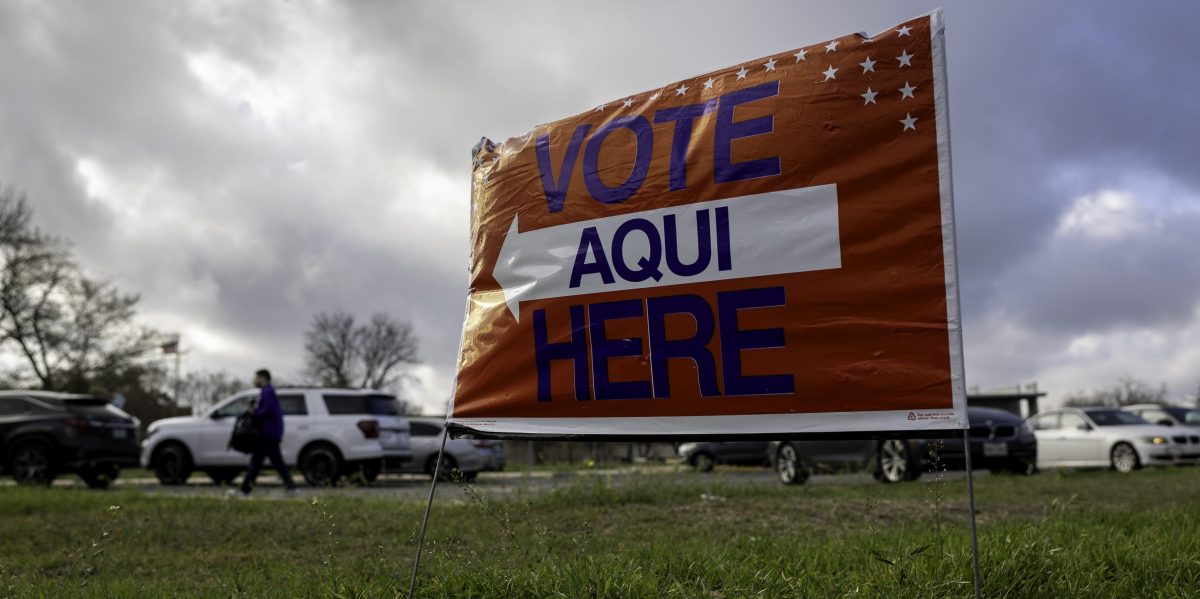
ICE agents were spotted making an arrest in the parking lot outside a polling place in San Antonio, Texas, earlier this year, and agents also showed up to polling places in California and New York, where agents questioned an election worker about her social media posts about the ICE officer who fatally shot Renee Good in Minneapolis.
asserted
who → spot → Minneapolis
The administration’s failure to shut down questions about ICE’s involvement in this year’s elections prompted several groups and state officials to file lawsuits to prevent it.
asserted
failure → shut → it
The Department of Justice tried to toss the cases.
asserted
Department → try → cases
In one lawsuit, after election officials said they were scrambling to adjust for the potential for ICE agents at polling sites in their already-busy Election Day planning, the Justice Department called their efforts “voluntary, self-directed operational change” in response to speculative fears.
asserted
Department → say → fears
The Justice Department, however, did end up deploying more than 900 agents to observe polls in all 50 states.
asserted
Department → end → states
California Gov. Gavin Newsom said his state deployed its own election monitors to watch the ones sent by the feds so they could “hold the line against Trump’s goons,” he wrote on X.
uncertain
he → say → goons
A coalition of civil rights groups also deployed their own counter fleet.
asserted
coalition → deploy → fleet
The Vote Safe program from the Save America Movement — joined by the Rev. Al Sharpton’s National Action Network and the American Federation of Teachers union, among others — dispatched observers to several battleground states.
asserted
program → join → states
“Whether or not a federal agent ever showed up, the fear was the point,” said Mary Corcoran, co-founder of the Save America Movement.
asserted
Corcoran → show → Movement
“It was built to keep people from voting in the communities this administration most wanted to silence," she said.
asserted
she → build → communities
“So we worked alongside those communities and reached out through trusted voices to turn fear into defiance and intimidation into preparation.”
asserted
we → work → preparation
There were some “routine challenges” throughout election night, but “the 2026 midterm elections have thus far demonstrated the resilience of our election system,” according to Michael McNulty, senior policy director with nonpartisan pro-democracy group Issue One.
uncertain
elections → be → One
“Despite unprecedented executive branch efforts to interfere in election administration, state and local officials responsible for running our elections have continued to do their jobs and uphold the process,” he said.
asserted
he → interfere → process
The real test of the nation’s election system isn’t whether the votes are processed quickly but whether “the votes counted, the results are certified, and the rules hold,” he said.
asserted
he → process → system
A relatively smooth process of election administration “demonstrates that overall the guardrails are holding, and a massive amount of planning and pre-work to prevent problems and ensure voters can keep voting has paid off,” according to Pamela Smith, president of nonpartisan election security group Verified Voting.
uncertain
voters → demonstrate → Voting
Election officials must be allowed to “complete the careful, multi-step work of tabulating remaining ballots, reconciling records, and conducting post-election audits to verify that every eligible vote is certified accurately,” she said.
asserted
she → allow → audits
Much of the anxiety stemmed from the possibility of armed federal agents or service members of the polls on Election Day — but the administration has launched a government-wide effort to investigate voter data and root out alleged noncitizen voters that is expected to continue well past the results of this year’s midterms.
asserted
that → stem → midterms
Mullin told reporters on Tuesday that he did not send ICE agents, and there were no reports of troops, either, telling Fox News that he “made it very clear that ICE agents aren’t going to be around polling places unless there’s a threat.”
asserted
agents → tell → places
But he said his agency isn’t done scrutinizing voter data.
asserted
agency → say → data
“After this election we’ll be gathering all the data,” he continued.
asserted
he → gather → data
“We’ll be gathering the voting logs, and we’ll be going through those and making sure that no illegals voted.
asserted
illegals → gather → those
Trump, meanwhile, after spending years raging against “fake” polls and “rigged” elections when he doesn’t like the results, conceded Tuesday night that he is willing to accept the outcome.
asserted
he → spend → outcome
 The Aporia