President Donald Trump’s Republican Party just suffered the worst midterm defeat since the Obama years, and everyone wants to know who or what is to blame.
asserted
everyone → suffer → who
One popular explanation is that the GOP ran bad candidates, which it did, but that is not why it lost.
asserted
it → run → which
If bad candidates were the deciding factor, the Democrats would have been on the receiving end of the 2026 shellacking.
asserted
Democrats → decide → shellacking
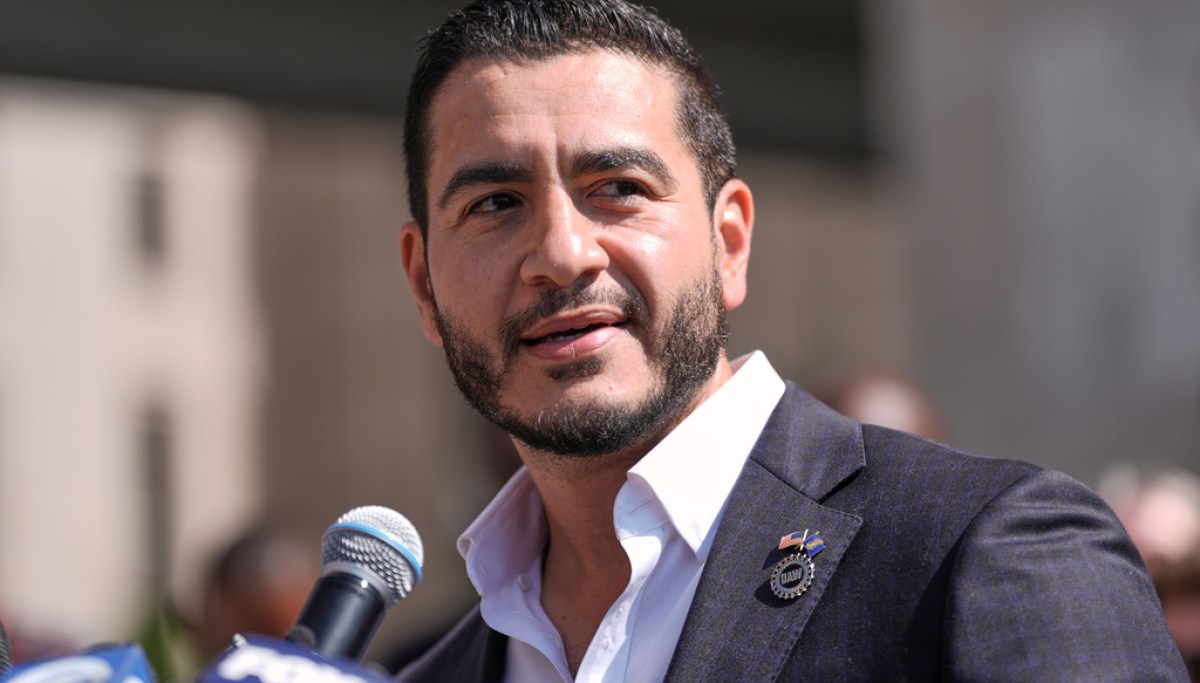
They really rolled out James Talarico, the guy who calls God “non-binary” and is obsessed with “trans children,” and Abdul el Sayed, the terrorist-tied candidate who centered his campaign strategy on blaming Israel for every domestic problem we face — and won!
asserted
we → roll → problem
They ran a woman, Aber Kawas, who literally sported a Hamas headband and blamed America for 9/11 — and won!
asserted
who → run → 9/11
Republicans absolutely rolled out some bad candidates, too.
asserted
Republicans → roll → candidates
I was on record in May saying that the “Winner of Paxton-Cornyn Texas Senate primary runoff” was Talarico after Texas Attorney General Ken Paxton defeated Sen. John Cornyn (R-TX), handing the radical leftist his best chance to be the first Texas Democrat elected since the 1980s.
uncertain
Paxton → say → 1980s
Selecting Vivek Ramaswamy in the Ohio primary was another own goal by Republicans, who leaned into MAGA candidates in an election in which only 25% of voters identified as MAGA.
asserted
% → select → MAGA
But if we’re holding a competition for which party nominated the worst candidates, the Democrats win all day.
asserted
Democrats → hold → candidates
It simply didn’t matter who was on the ticket for the Left as long as it wasn’t a Republican.
asserted
it → matter → Left
It might have helped the GOP in a few states to run better candidates, but this “blue tsunami” was happening regardless.
uncertain
tsunami → help → candidates
So why did the Republicans get killed on Tuesday?
asserted
Republicans → kill → Tuesday
I’d argue it wasn’t as much a policy issue as it was a marketing one.
asserted
it → argue → ?
According to the exit polls, 74% of voters considered the Iran war to be a crucial or major factor.
uncertain
war → accord → voters
Under no circumstances can a jihadist dictatorship obtain a nuclear weapon.
asserted
dictatorship → obtain → weapon
The public was terrified of Kim Jong Un’s nuclear ambitions a decade ago.
asserted
public → terrify → ambitions
The average consumer does not want to spend thousands of dollars for Stranger Things to look and sound better.
asserted
Things → want → dollars
Yet people would come in looking to spend $500 on a new TV set and leave with the biggest smiles on their faces after spending $20,000 on a surround-sound system.
asserted
people → come → system
What makes someone a good salesman is the ability to demonstrate the value of the product they’re selling.
asserted
they → make → product
He spent more time renaming everything from the Gulf of Mexico (America) to artificial (super) intelligence than he did showing the public the value of his Iran war.
asserted
he → spend → war
The general public will not see the value on its own until it hits home.
asserted
it → see → home
That’s why the public supported World War II after Pearl Harbor or the War on Terror after 9/11.
asserted
public → ’ → 9/11
We don’t need another mass-casualty incident for the public to get on board, but people need to understand the real danger of one.
asserted
people → need → one
Instead of seeing the crisis Trump averted, if only temporarily, by attacking Iran, the public only saw the cost: high gas prices.
asserted
public → see → cost
Any rational person would agree that paying more for gas would be worth it to avoid another Pearl Harbor or 9/11.
asserted
paying → agree → Harbor
Trump’s problem was that he never “showed the value,” so to speak.
asserted
he → show → value
In other words, he didn’t do enough to make the public take the Iran threat seriously.
asserted
public → do → threat
This same problem applies to Trump’s economic and immigration agendas, which I largely agree with, but whose value was not adequately demonstrated to the voting public.
asserted
value → apply → public
The other point of failure was policy-related, and it’s that Trump was frankly not strong enough to finish what he started in Iran.
asserted
he → relate → Iran
The war should have been over quickly and forcefully, with the terrorist regime toppled.
asserted
regime → topple → ?
Instead, Trump took his foot off the gas and rushed to the negotiating table, supposedly at the behest of Vice President JD Vance.
asserted
Trump → take → Vance
In chess terms, Trump had the king dead to rights and blundered into a stalemate.
asserted
king → have → stalemate
Instead of a swift and resounding victory, those short-term consequences became a war of attrition between the blockaded regime and the American public paying $4 a gallon for gas.
asserted
consequences → become → gas
Given the results of the election, it’s safe to say the regime won that battle.
asserted
regime → give → battle
Trump said the reason Republicans lost is that he wasn’t on the ballot.
asserted
he → say → ballot
He’s dead wrong.
asserted
He → ’ → ?
Trump’s ability to sell the public on his agenda was absolutely on the ballot, and Republicans, good and bad candidates alike, paid dearly for it.
asserted
Republicans → sell → it
 The Aporia