Trump’s midterm rebuke gives trading partners room to resist
SEOUL/TOKYO/NEW DELHI/BEIJING –
asserted
rebuke → give → room
A backlash against US President Donald Trump’s Republican Party over rising living costs in the midterm elections could embolden countries around the world to resist his combative trade policies, which have raised prices for American consumers.
uncertain
which → rise → consumers
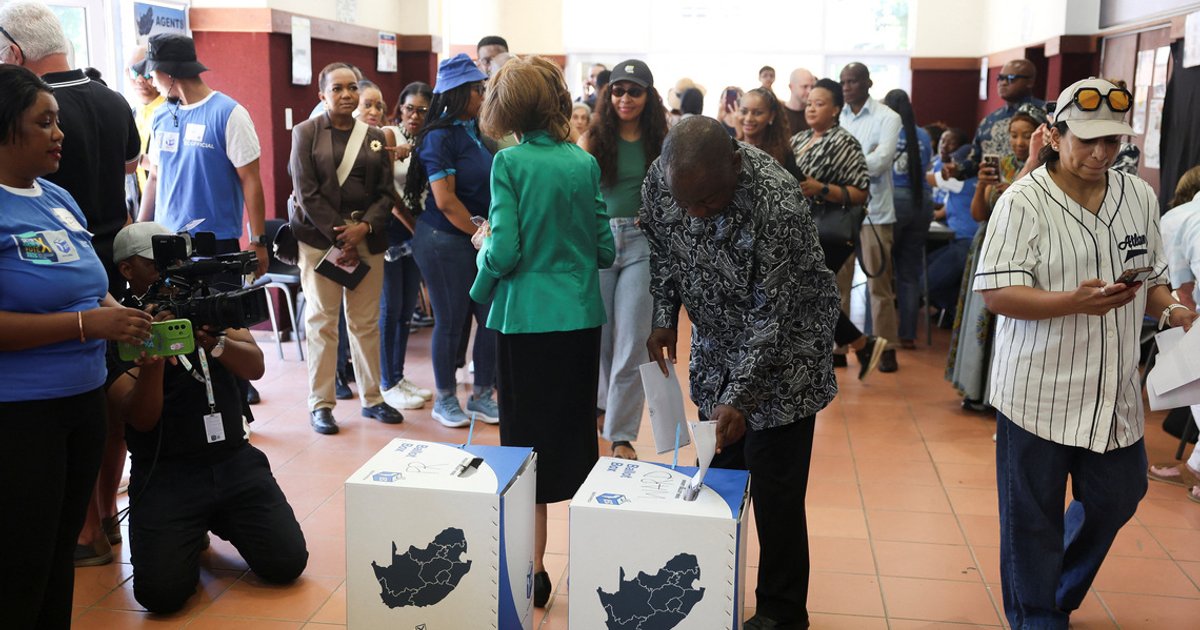
Democrats captured majorities in both the Senate and House on Nov 3, as US voters delivered a stinging rebuke to Trump’s policies, specifically tariffs and the Iran war, which they blame for persistent inflation.
asserted
they → capture → inflation
That could give countries more reason to slow-walk investment pledges they made to stave off tariffs, and hand economic rival China a perceived upper hand in ongoing trade talks, political analysts and economists said.
uncertain
analysts → give → talks
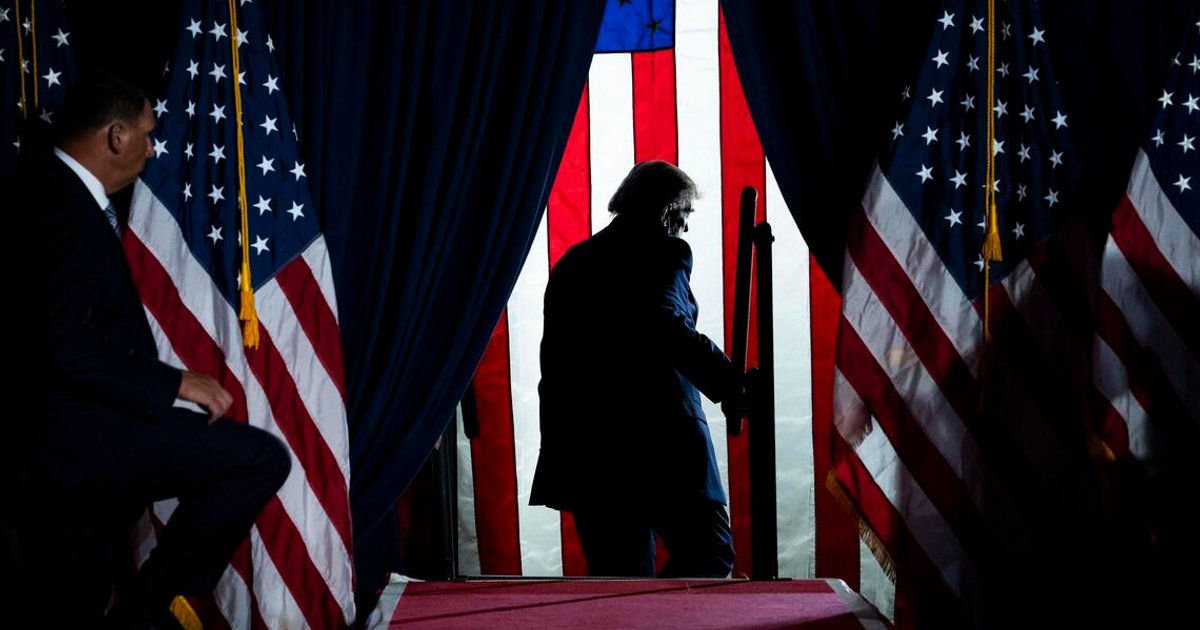
Trump’s next major international outing will be a trip to Asia later in November, where he is due to meet South-east Asian leaders in the Philippines and then join the Asia-Pacific Economic Cooperation forum in Shenzhen, China.
asserted
he → meet → Shenzhen
Japan and South Korea, America’s closest allies in Asia, promised US$550 billion (S$703 billion) and US$350 billion respectively in US investments in 2025 under deals with Trump.
“Democrats seem to perceive that the investment commitments were forced on allies,” said Heo Yoon, economics professor at Sogang University in Seoul, adding that countries might now feel less pressure to fulfil such commitments.
uncertain
countries → promise → commitments
But others cautioned that Trump, criticised at home, could squeeze allies harder abroad, pushing them to deliver pledged investments to show his policies are working.
uncertain
policies → caution → investments
If Japan’s response is slow, calls for additional tariffs could resurface,” said Kazuhiro Maeshima, a professor of US politics at Sophia University in Tokyo.
uncertain
Maeshima → resurface → Tokyo
South Korea has become a lightning rod for Trump’s anger at countries he believes have not lived up to investment pledges made to stave off tariffs he says are needed to rebalance US trade with allies and rivals alike.
asserted
he → become → allies
Most recently, Seoul pushed back on Trump’s assertions that it had agreed to fund Alaska LNG, a liquefied natural gas pipeline project.
asserted
it → push → LNG
While Trump can still wield executive power over tariff policy, Ban Kil-joo, international relations professor at Korea National Diplomatic Academy, said scrutiny from Congress over such projects could give Seoul “more valuable time” to review and assess them.
uncertain
scrutiny → wield → them
Trump tamed or unleashed?
asserted
Trump → tame → ?
For countries like India, still negotiating trade deals with the United States, the midterm results could provide an incentive to adopt a wait-and-see approach, analysts said.
uncertain
analysts → negotiate → approach
India’s trade minister earlier in November said the first phase of an India-US trade deal was in the final stages of drafting, but reiterated that New Delhi would proceed only if it secures an advantage over competing exporters.
asserted
it → say → exporters
New Delhi and Washington agreed in February to a framework that reduced to 18% from 50% a punitive tariff on most Indian goods, imposed in August 2025 after an earlier round of talks collapsed.
asserted
round → agree → talks
After the midterms, the White House may face greater pressure to avoid a return to trade wars that could further raise costs for American consumers, said Tommy Xie, head of Asia macro research at OCBC Bank.
uncertain
Xie → face → Bank
Others, however, warned against the possibility of Trump becoming more flexible.
asserted
Trump → warn → possibility
“Countries such as India should remain cautious.
asserted
Countries → remain → India
A Democratic victory will not necessarily make Trump more accommodating towards any country,” said Rajiv Bhatia, a former Indian diplomat and distinguished fellow at Gateway House, a think-tank.
asserted
Bhatia → make → House
Bhatia added that India should undertake greater diplomatic preparation and engage more actively with the US Congress to press its concerns on trade, tariffs and visa-related issues.
asserted
India → add → trade
No free rein with Beijing
China, which has struck a fragile trade truce with the US that expires in January, will be thinking of ways to use Trump’s political fragility to strengthen its hand in trade talks, analysts said.
asserted
analysts → strike → talks
“Xi Jinping will recognise that Trump’s authority has been greatly weakened by these results, and will no doubt be thinking about ways of exploiting that,” said Saul Eslake, an economist at Corinna Economic Advisory in Australia.
asserted
Eslake → recognise → Australia
But others said Trump’s travails are not necessarily good news for Beijing.
asserted
travails → say → Beijing
The US President has gone to great lengths to improve relations with Xi – including hosting him for a lavish state visit in September – and a Democratic-controlled Congress may constrain his ability to offer sweeteners for future deals.
uncertain
Congress → go → deals
“Democrats are unlikely to give Trump free rein on deals with Beijing,” said Alicia Garcia-Herrero, chief Asia-Pacific economist at Natixis, adding that they had already criticised Trump’s summits with Xi for limited substance on key issues like AI.
asserted
they → give → AI
A Democratic Congress is more likely to support tighter tech export controls and scrutiny of supply chains for AI and semiconductors, which will give Trump less flexibility on concessions impacting those high-growth segments, she added.
asserted
she → support → segments
China’s Foreign Ministry spokesperson Mao Ning told reporters on Nov 3 that the midterms were an internal matter for the US, and that Beijing would continue to manage differences and expand cooperation with Washington.
asserted
Beijing → tell → Washington
 The Aporia