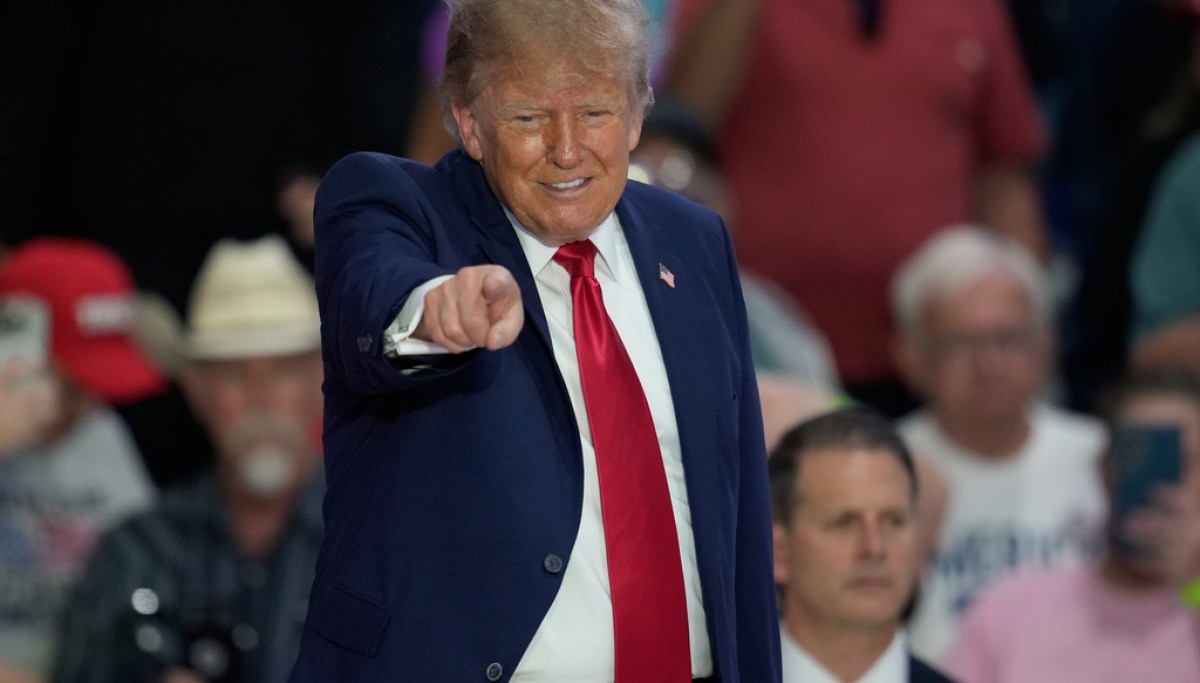
Photo via South China Morning Post

As US-Iran war shows, China’s influence can’t secure its line to Gulf oil

Read the original at South China Morning Post ↗
Cite

Vicenzino, M. (2026, November 4). As US-Iran war shows, China’s influence can’t secure its line to Gulf oil. South China Morning Post. https://www.scmp.com/opinion/china-opinion/article/3372480/us-iran-war-shows-chinas-influence-cant-secure-its-line-gulf-oil

Dated from the outlet's own feed. Check the original for its byline.

South China Morning Post · collected 2026-11-04 · by Marco Vicenzino

Quick Summary

The article discusses how recent tensions between the US and Iran have revealed that China's growing influence in the Middle East is insufficient to guarantee secure oil supply lines from Gulf countries. Despite China’s expanding economic ties with Gulf nations, these regions still hold significant power over Chinese energy interests during times of geopolitical instability. The piece argues that future competition in global energy markets will center on securing access to resources amidst deteriorating international relations.
Written by AI on 2026-11-04, from this article's own text only (the story summary below draws on all the coverage).

AI analysis

Story summary

As a US-Iran war unfolds, South China Morning Post reports on November 4, 2026, that despite China's growing economic importance to the Gulf region, its influence has proven insufficient to secure stable oil supply lines from the Middle East during times of geopolitical tension. The conflict highlights the limitations of China’s efforts to build commercial and diplomatic ties with its energy suppliers in the area. Although China is becoming more crucial to the Gulf states' economic prospects, these same states retain the ability to disrupt China's access to vital resources when necessary. This underscores a new dimension in global energy competition: not just who controls production and consumption but also who can maintain access under deteriorating geopolitical conditions.

Written for “China's Influence in Gulf Oil Trade” on 2026-11-04, grounded in this article and the 0 other(s) covering the same event.
Why this leaning score
The article's own words the score was based on. Each is quoted verbatim and was checked against the article text before being stored, so you can find it in the original.
Reading Leans right (beta estimate) Confidence high
Leaning: leans right for article 128225 (high confidence, 2 verified quotes) · logged 2026-11-04

Story

📰 China's Influence in Gulf Oil Trade
World · 1 article(s) covering the same event.

Compared with similar articles

This article reads leans right and hedges 0% of its claims. Each row says how that neighbour differs.
The Guardian
Hedges 6 of 31 claims Outlet record 66/100
“The articles discuss different aspects of China's diplomatic relations in the Middle East and do not describe the same specific incident.”
Washington Examiner
⚖️ Leans left further left than this Hedges 0 of 5 claims Outlet record 69/100
“The articles discuss different aspects of potential conflicts involving US-Iran relations and their impacts on energy supply, but they do not describe the same specific incident or occurrence.”
How this article was measured signals, leaning charts, publisher record, byline, topics and claims

Signals How these are calculated →

Claims extracted
4
sentences that state something as happening or true
Uncertain
0%
0 of 4 hedged ("reportedly", "may", "according to")
Leaning
Leans right
of the writing, not the subject · beta estimate
Publisher signals
62/100
South China Morning Post's corrections and hedging, across everything collected from it. Not a measure of accuracy.
Outlets on this story
1
World
Same framing elsewhere
1
articles that frame the event the way this one does
Analyzed 2026-11-04 · how these are computed

How this is being covered How these are calculated →

Article leaning vs. publisher reliability
Source leaning vs. consistency

Publisher

South China Morning Post · 3740 article(s) · 8 correction(s) detected
Running correction rate · 8 correction(s)

Who wrote this

Marco Vicenzino
1 article(s) here · 1 carrying a prediction
🔮 The next contest in global energy will concern not only who produces and consumes it, but who can preserve access when geopolitical conditions deteriorate.
The only article under this byline in the corpus.

Topics

China

Subjects

China GPE · 4×

Narrative

The conflict has made clear the limits of China’s efforts to cultivate commercial and diplomatic clout among its energy suppliers in the Middle East China is becoming increasingly important to the Gulf’s economic future.
framing: assertive · carried by 1 article(s) · first seen 2026-11-04
🔮 The next contest in global energy will concern not only who produces and consumes it, but who can preserve access when geopolitical conditions deteriorate.
2026-11-04 · South China Morning Post
As US-Iran war shows, China’s influence can’t secure its line to Gulf oil · assertive framing

Claims (4 extracted, 0 hedged)

As US-Iran war shows, China’s influence can’t secure its line to Gulf oil asserted
influence → show → oil
The conflict has made clear the limits of China’s efforts to cultivate commercial and diplomatic clout among its energy suppliers in the Middle East China is becoming increasingly important to the Gulf’s economic future. asserted
China → make → future
Yet the Gulf remains capable of disrupting China’s own. asserted
Gulf → remain → own
The next contest in global energy will concern not only who produces and consumes it, but who can preserve access when geopolitical conditions deteriorate. asserted
conditions → concern → access
💬Give feedback · no sign-in needed

No sign-in needed for now. Your note is sent without a name, so it cannot be answered.

🕘History 🎫Support