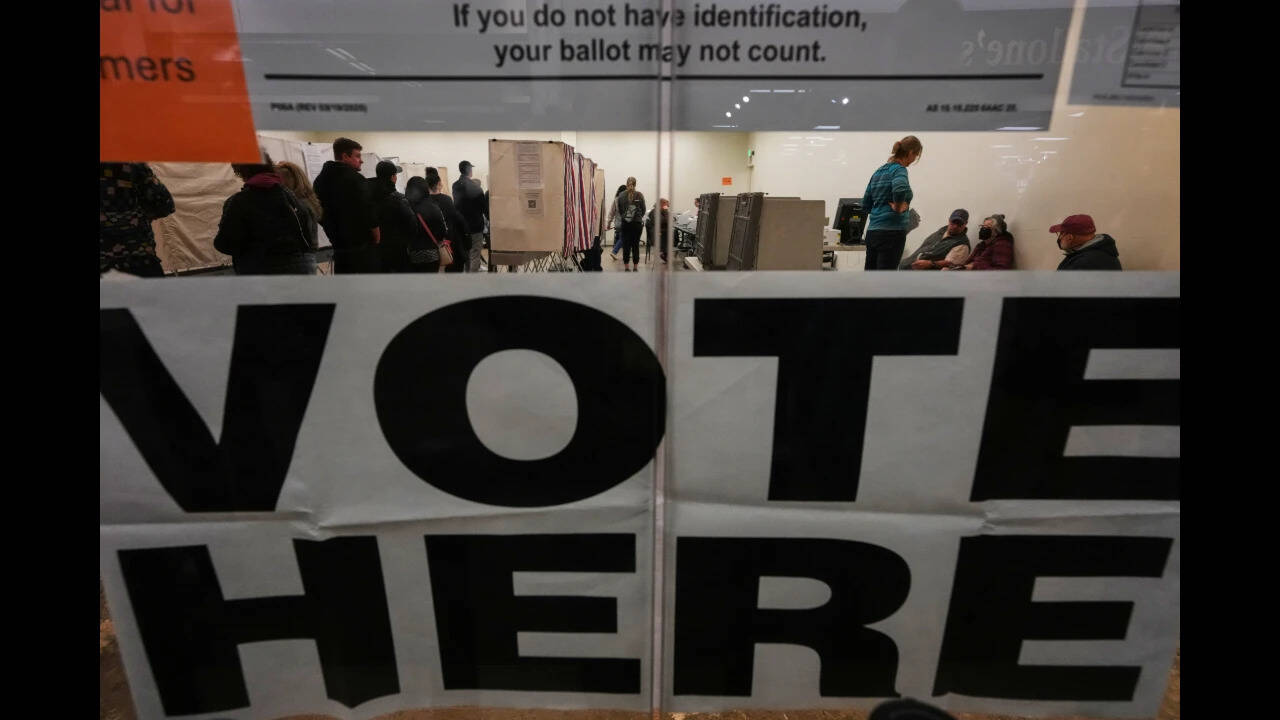
Photo via The Sydney Morning Herald

Votes pour in in US midterms

Read the original at The Sydney Morning Herald ↗
Cite

Votes pour in in US midterms. (2026, November 4). The Sydney Morning Herald. https://www.smh.com.au/national/votes-pour-in-in-us-midterms-20261104-p61bcf.html?ref=rss&utm_medium=rss&utm_source=rss_feed

Dated from the outlet's own feed. Check the original for its byline.

The Sydney Morning Herald · collected 2026-11-04

Quick Summary

No summary of this article yet; the story summary below covers the event.

AI analysis

Story summary

As of November 6, 2026, Democrats won control of Congress in the U.S. midterm elections, marking President Donald Trump's final two years in office with significant challenges. Despite initial concerns and predictions, Democrats secured major victories across several states, including Texas, where Gina Hinojosa became the first Latina governor of Texas after 30 years of Republican rule. This shift could usher in environmental reforms previously blocked by long-standing Republican dominance. The election results also saw close contests in states like South Carolina, where Democrat Annie Andrews narrowly led Senator Darline Graham, a Republican appointed to office following her brother's death. Trump’s deep unpopularity and economic challenges contributed to the Democratic sweep, despite his efforts to downplay issues such as rising gas prices linked to the ongoing war with Iran.
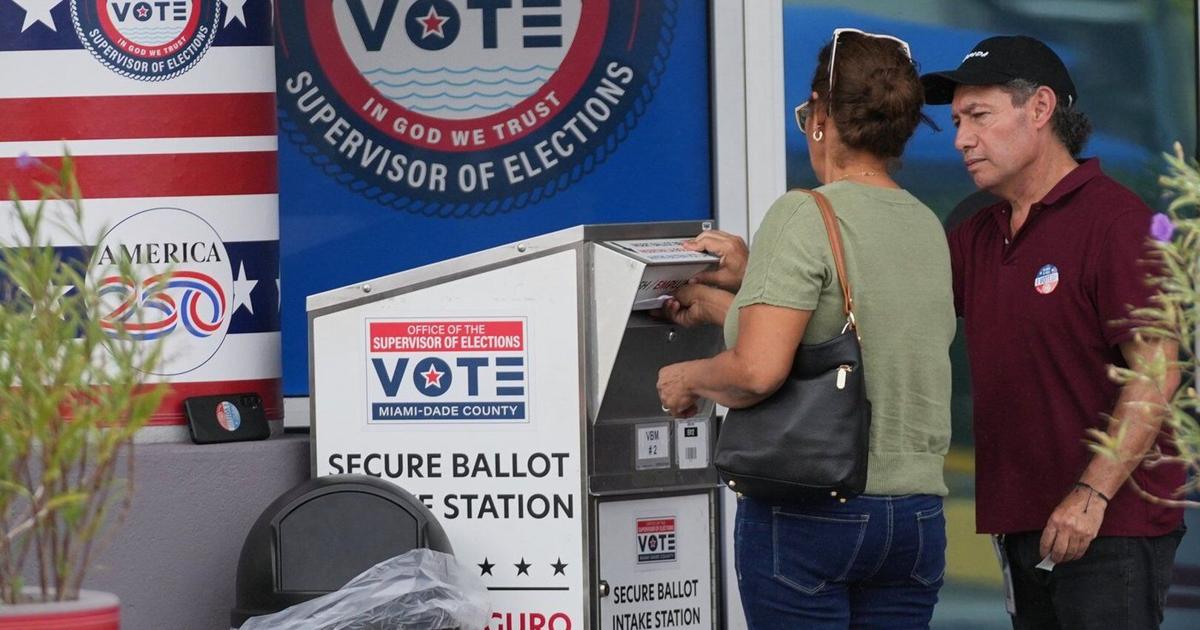
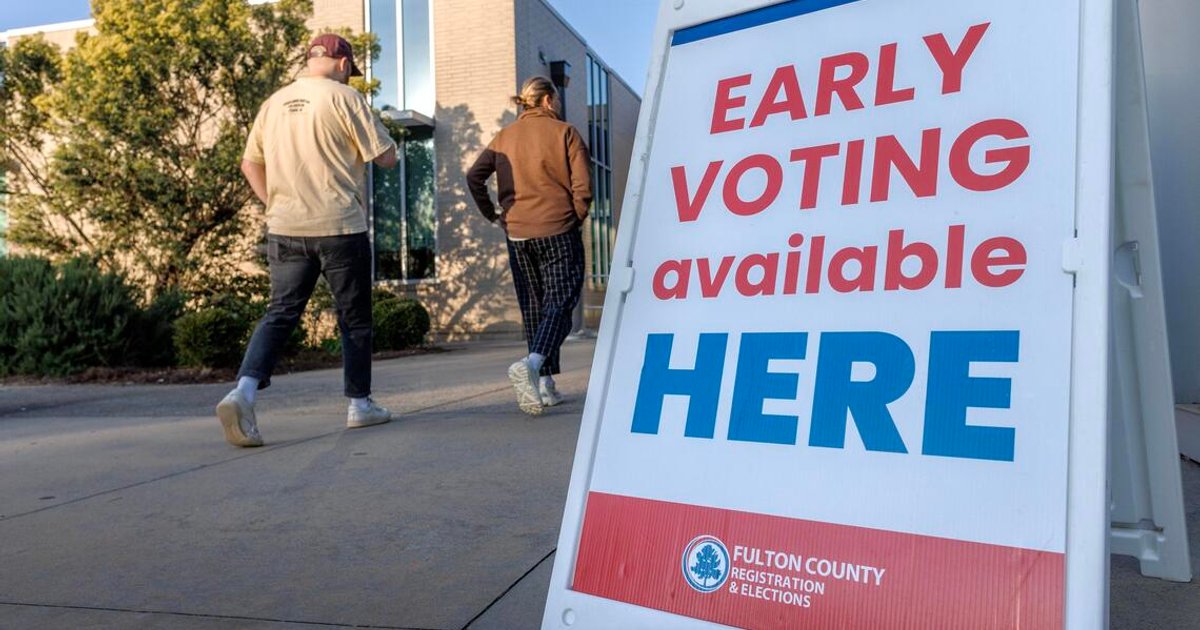
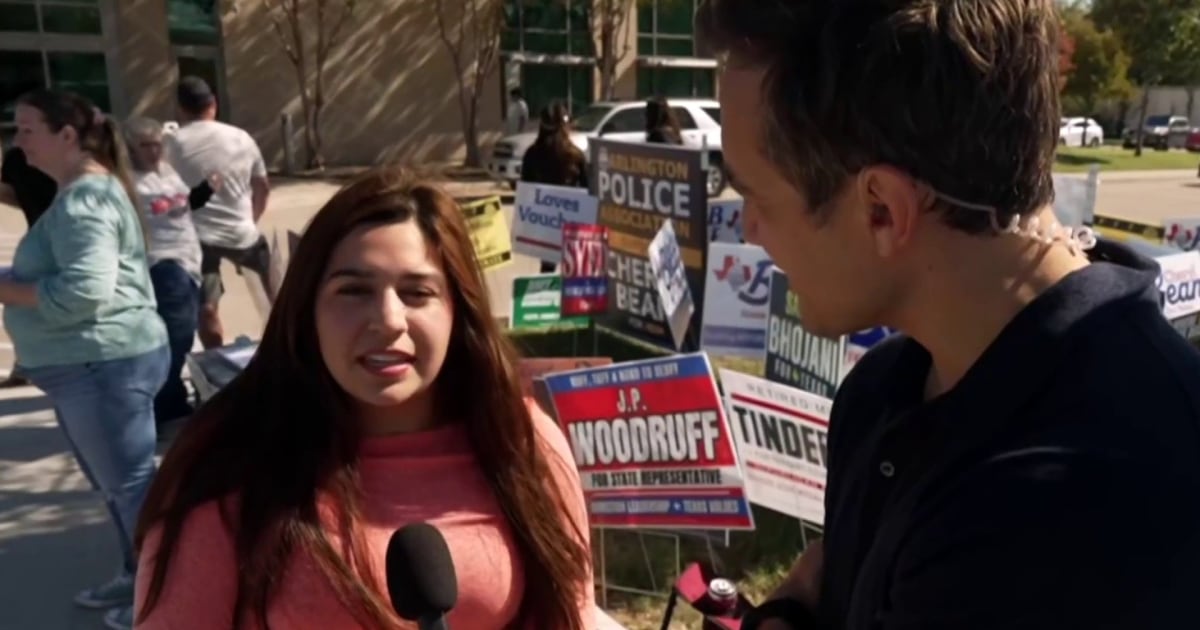
Written for “Midterm Elections Results Impact Politics” on 2026-11-06, grounded in this article and the 1050 other(s) covering the same event.
Why this leaning score
This article does not take a side on a contested political question, so it has no leaning score. That is an answer rather than a gap: a match report or a rescue can be warmly or critically written without being left or right, and scoring it anyway is how approval of a subject gets recorded as a political position.
No political leaning scored for article 127457 · logged 2026-11-06

Story

📰 Midterm Elections Results Impact Politics
Politics · 1051 article(s) covering the same event. Compare every outlet's account →

Compared with similar articles

This article reads unscored and hedges an unknown share of its claims. Each row says how that neighbour differs.
Toronto Star
Hedges 1 of 3 claims Outlet record 64/100
“The articles refer to early voting trends but cover different time periods and analyses.”
The Straits Times
⚖️ Leans left Hedges 4 of 15 claims Outlet record 66/100
“The articles describe early voting trends in US midterms, but they are from different dates and likely refer to updates at distinct points during the election period.”
Times of India
Hedges 1 of 19 claims Outlet record 59/100
“The articles describe different stages of early voting, with Article A focusing on the surge in early votes by October 31 and Article B summarizing a later point during midterms.”
ABC News (US)
Hedges 1 of 4 claims Outlet record 67/100
“The articles refer to different days of the midterm elections, with Article A describing voters heading to polls on November 3rd and Article B reporting votes pouring in on November 4th.”
Al Jazeera
⚖️ Centre Hedges 1 of 2 claims Outlet record 60/100
“The articles describe different stages of the same election day; Article A starts voting, while Article B reports on votes pouring in after an overnight period.”
The Guardian
Hedges 0 of 2 claims Outlet record 65/100
“The articles refer to different times within the same election day, with Article A describing the beginning of voting and Article B reporting on votes pouring in the next day.”
The Hindu
⚖️ Leans left Hedges 0 of 2 claims Outlet record 78/100
“The articles describe voting and results on election day but Article B's timestamp indicates a later date, suggesting it covers developments or updates after initial polls closed.”
The Guardian
⚖️ Leans left Hedges 1 of 3 claims Outlet record 65/100
“The articles describe voting on November 3rd and early morning updates on November 4th, respectively, but differ in their focus with Article A detailing preparations and expectations before polls close, while Article B reports on the voting process after polls have closed.”
NBC News
Outlet record 72/100
“The articles describe voter turnout and opinions on election day, but do not refer to the exact same incident or moment in time.”
How this article was measured signals, leaning charts, publisher record, byline, topics and claims

Signals How these are calculated →

Claims extracted
0
sentences that state something as happening or true
Uncertain
no claims
nothing to measure
Leaning
not political
takes no side on a contested political question
Publisher signals
61/100
The Sydney Morning Herald's corrections and hedging, across everything collected from it. Not a measure of accuracy.
Outlets on this story
1051
Politics
Same framing elsewhere
none derived
Analyzed 2026-11-06 · how these are computed

How this is being covered How these are calculated →

Article leaning vs. publisher reliability
Source leaning vs. consistency

Publisher

The Sydney Morning Herald · 6355 article(s) · 15 correction(s) detected
Running correction rate · 15 correction(s)

Who wrote this

No reporter is named on this article.

Topics

No topics tagged.

Subjects

No subjects extracted.

Narrative

No narrative derived. That requires at least one asserted claim.

Claims (0 extracted, 0 hedged)

No claims extracted from this article.
💬Give feedback · no sign-in needed

No sign-in needed for now. Your note is sent without a name, so it cannot be answered.

🕘History 🎫Support