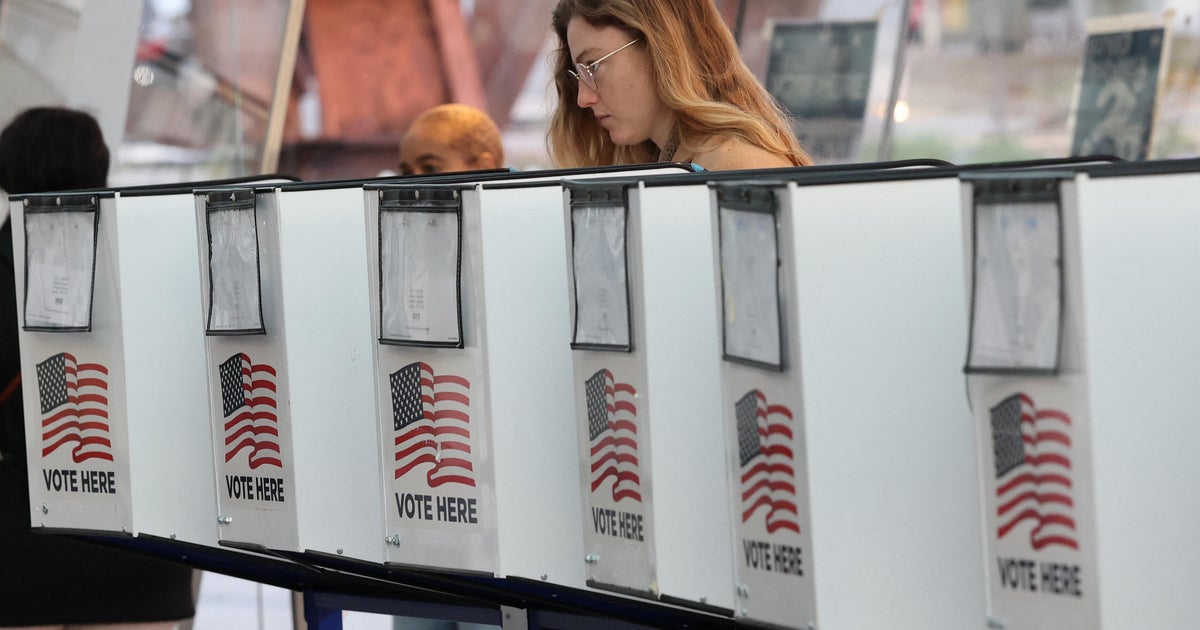
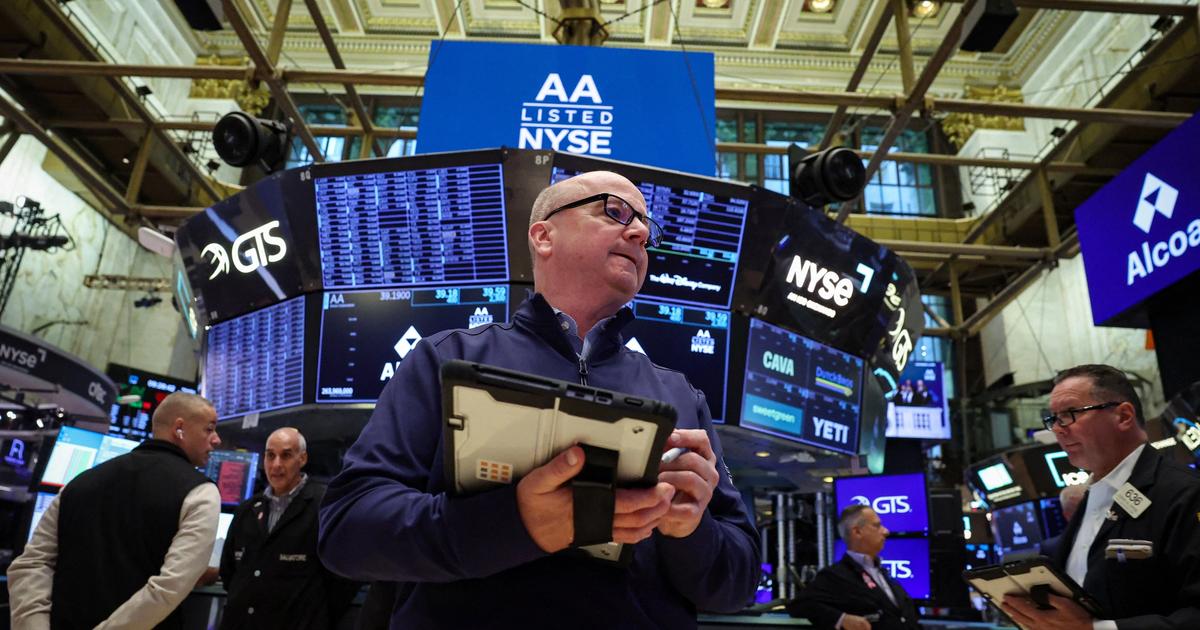
The persistent inflation, high energy prices and . For investors, by contrast, the political outcome could deliver a boost.
uncertain
outcome → deliver → boost
could reshape Congress as lawmakers grapple withData from financial firm Edward Jones shows that the S&P 500 stock index rose an average of 1.7% in the month after the last 14 midterm races, dating back to 1970.
uncertain
index → reshape → 1970
In the six months following midterm elections, S&P returns averaged 15.5%.
asserted
returns → follow → %
"Volatility around the vote is possible, but markets have historically performed well in the year following midterms as political uncertainty recedes and attention returns to the economic outlook," Magdalena Ocampo, market strategist at the global investment firm Principal Asset Management, said in an email on Tuesday as Americans cast their votes.
asserted
Americans → perform → votes
With congressional control in the balance, Wall Street analysts are also considering the impact divided government could have on stocks if the Democrats win the House, Senate or both chambers.
uncertain
Democrats → consider → House
Political gridlock has historically been good for markets because it limits Congress' ability to pass sweeping tax and spending legislation, reducing the risk of volatility, according to analysts.
uncertain
it → limit → analysts
"Less change makes a more predictable environment, which allows companies to invest in longer-term projects," Chris Low, chief economist at FHN Financial, a capital markets firm, said in an email Tuesday.
asserted
Low → make → email
"That tends to be good for earnings."
asserted
That → tend → earnings
Less stock market volatility doesn't guarantee investors an easy ride, however.
asserted
volatility → guarantee → ride
Gridlock in Washington, D.C., could also fuel another partisan standoff on the nation's debt, which recently
, or spur the U.S. government to increase its borrowing to fund its priorities, according to economists.
uncertain
which → fuel → economists
That could unnerve bond investors, who are worried that Washington is on an unsustainable fiscal trajectory, Ed Yardeni, president of Yardeni Research, said in a note to investors.
uncertain
Yardeni → unnerve → investors
"Prolonged shutdowns and fiscal standoffs could push Treasury yields higher, weighing on equity valuations," he said.
uncertain
he → push → valuations
The Bipartisan Policy Center, a Washington, D.C.-based think tank, estimates that the U.S. will reach the debt limit again sometime between late winter and midsummer of 2027.
asserted
U.S. → estimate → 2027
At that point, lawmakers will have to decide whether to raise the debt ceiling, temporarily suspend it or risk another government shutdown.
asserted
lawmakers → have → shutdown
Volatility could also persist if President Trump continues to rely on his executive authority to accomplish his priorities, Yardeni said.
uncertain
Yardeni → persist → priorities
In that case, Democrats would have little power to restrain Mr. Trump even if they controlled Congress, he noted.
asserted
he → have → Congress
"Hence, a blue wave could deliver a cold shower for stocks, though we would view a significant selloff as a buying opportunity given the remarkable strength of the economy and corporate earnings," Yardeni said.
uncertain
Yardeni → deliver → economy
A Democratic sweep could have other implications for the economy beyond financial markets.
uncertain
sweep → have → markets
That could include Democrats blocking Trump-appointed regulators, according to Jaret Seiberg, a financial policy analyst and managing director at investment bank TD Cowen.
uncertain
Democrats → include → Cowen
"They [could] leverage this power to force the President to fill Democratic seats on independent agencies like the FDIC, SEC and CFTC," he said.
uncertain
he → leverage → FDIC
A Democratic majority in the Senate would also elevate Sen. Elizabeth Warren, a Democrat from Massachusetts, to head the Senate Banking Committee, giving her more latitude to pass populist legislation, Seiberg added.
asserted
Seiberg → elevate → legislation
Warren would replace South Carolina Republican Sen. Tim Scott, who currently chairs the influential panel.
asserted
who → replace → panel
However, lawmakers would still be restricted in what they can do at a federal level, given the president's ability to veto legislation, UBS analysts said in a research note.
asserted
analysts → restrict → note
 The Aporia