The Aporia
Jiaxuan, C. (2026, November 3). China rejects PNG artillery claim, says object is a wine bottle that ‘poses no danger’. South China Morning Post. https://www.scmp.com/news/china/diplomacy/article/3373143/china-rejects-png-artillery-claim-says-object-wine-bottle-poses-no-danger
Jiaxuan, Cao. “China rejects PNG artillery claim, says object is a wine bottle that ‘poses no danger’.” South China Morning Post, 3 Nov. 2026, https://www.scmp.com/news/china/diplomacy/article/3373143/china-rejects-png-artillery-claim-says-object-wine-bottle-poses-no-danger.
Jiaxuan, Cao. “China rejects PNG artillery claim, says object is a wine bottle that ‘poses no danger’.” South China Morning Post, November 3, 2026. https://www.scmp.com/news/china/diplomacy/article/3373143/china-rejects-png-artillery-claim-says-object-wine-bottle-poses-no-danger.
Dated from the outlet's own feed. Check the original for its byline.
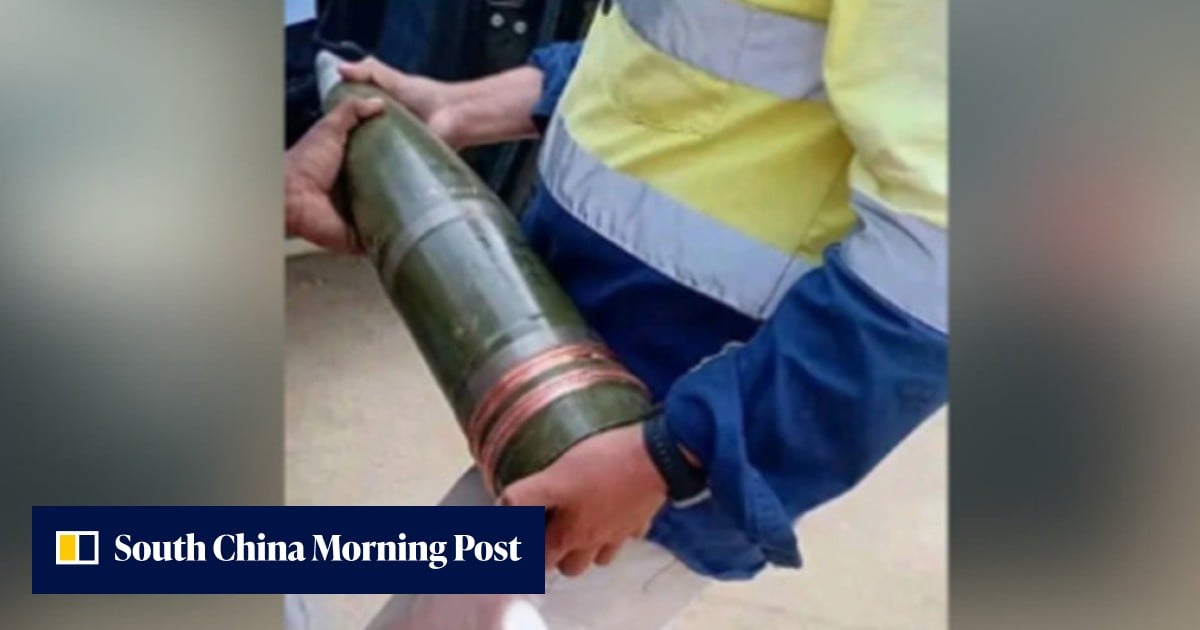
As of November 5, 2026, the Chinese embassy in Papua New Guinea (PNG) insists that a large object resembling an artillery shell discovered at a construction site in Port Moresby is actually a "wine bottle" and poses no danger. The object, weighing 32kg, was found inside a commercial shipping container last Friday and led to the arrest of four Chinese nationals by local police.
Local reports had suggested that the object might be an undetonated 130mm Chinese Type 59 Artillery Projectile containing chemical explosives and a fuse. However, the Chinese embassy dismissed these claims, stating it is "virtually impossible" for such military-grade artillery shells to be smuggled out of China due to strict firearm control laws.
Despite this claim, skepticism remains, especially given that PNG police had initially treated the discovery seriously, deploying bomb squads to secure and examine the object. The incident has sparked ridicule on social media platforms but no further developments have been reported as of yet.