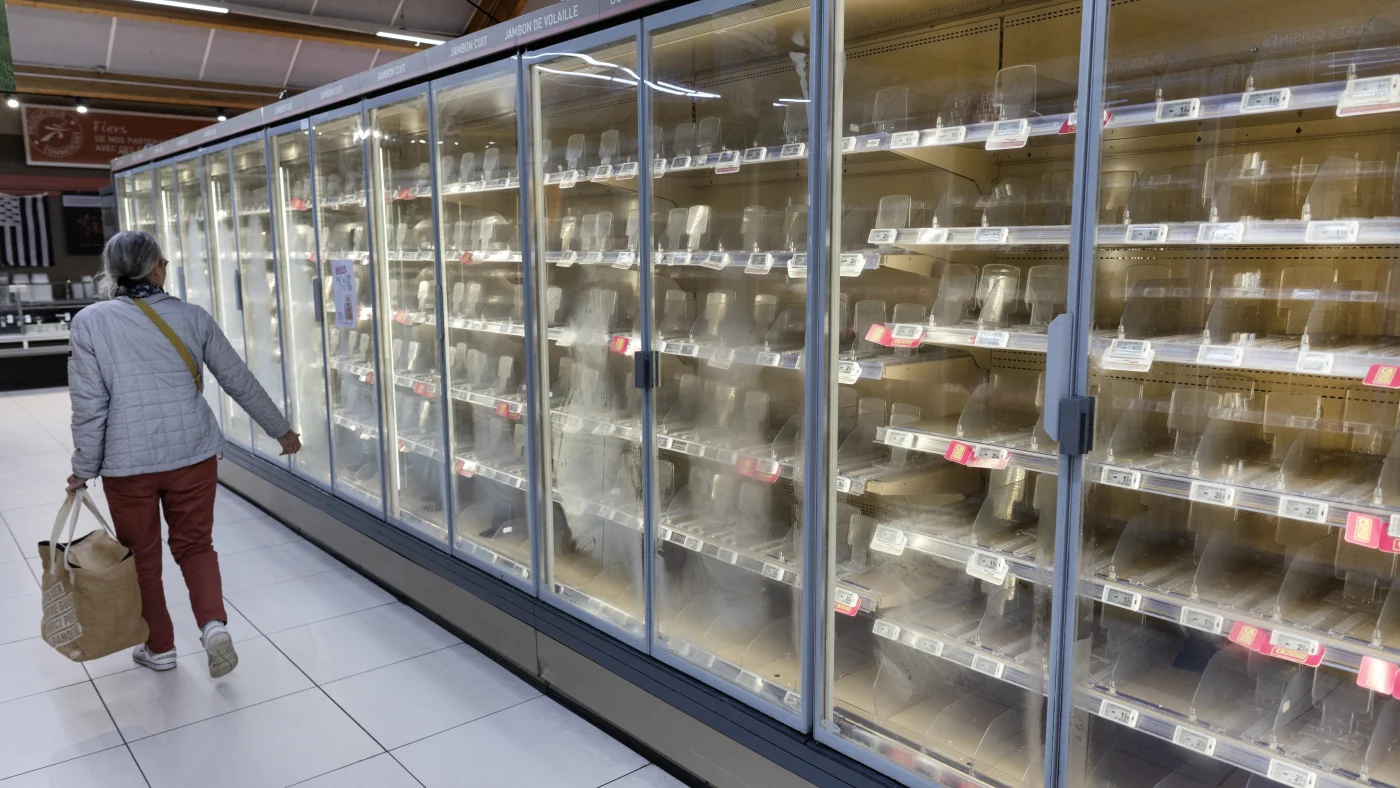
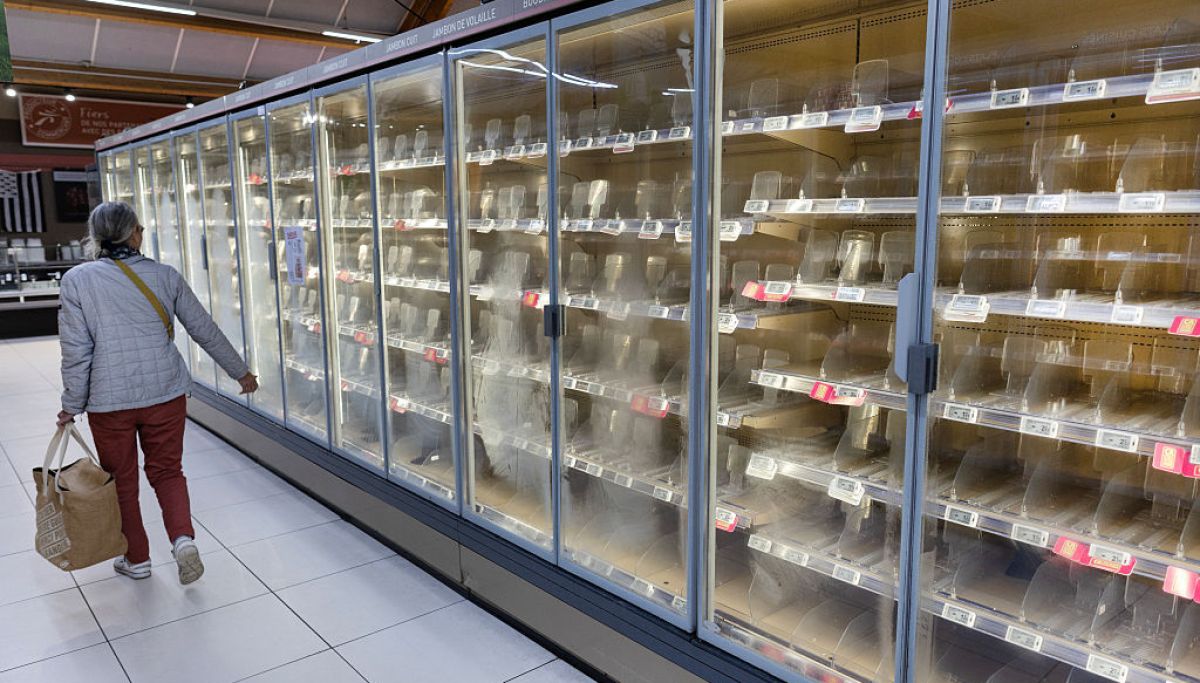
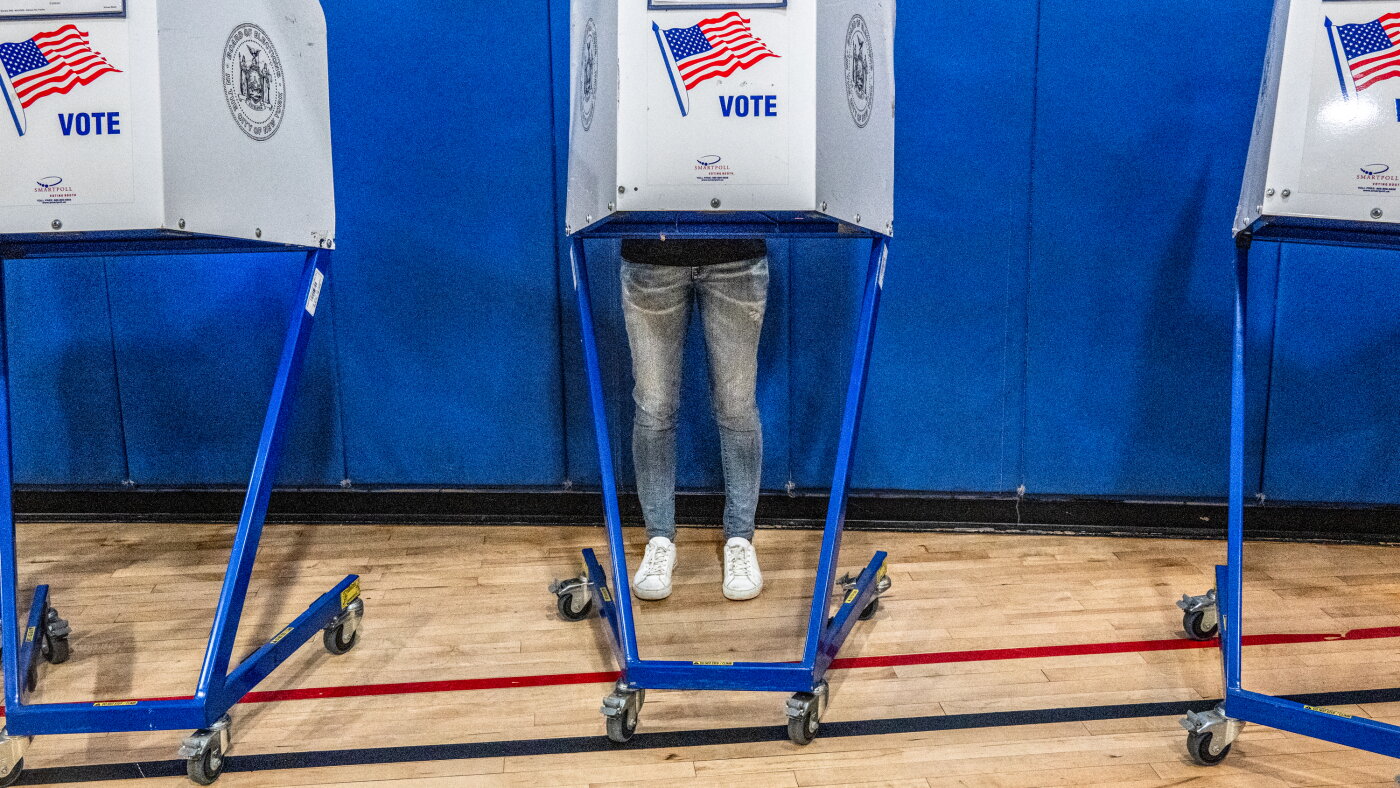
Photo via NPR

A new cold war: hackers target fridges across the globe

Read the original at NPR ↗
Cite

McLaughlin, J. (2026, November 3). A new cold war: hackers target fridges across the globe. NPR. https://www.npr.org/2026/11/03/nx-s1-6026676/cold-war-hackers-fridges

Dated from the outlet's own feed. Check the original for its byline.

NPR · collected 2026-11-03 · by Jenna McLaughlin

Quick Summary

Hackers linked to Iran’s military, operating under the name Cyber Isnaad Front, carried out a multi-pronged cyberattack on an Israeli food production plant in May, disrupting operations and damaging refrigeration systems. This attack followed similar incidents targeting refrigeration controllers globally, affecting U.S. military bases, French supermarkets, and stores across Europe, including Sweden, Estonia, Ireland, Luxembourg, the Netherlands, and Belgium. The attacks highlight growing security concerns as critical infrastructure becomes more connected to the internet, potentially exposing vulnerabilities in industrial refrigeration systems.
Written by AI on 2026-11-03, from this article's own text only (the story summary below draws on all the coverage).

AI analysis

Story summary

In May 2026, Iranian military hackers targeted a large food production plant in Israel with a multi-pronged cyberattack, causing significant disruption to operations. The attack began when office printers started spewing threatening messages, followed by malicious code on corporate computers and the sabotage of industrial freezers, leading to spoiled food and system failures. The company was unable to operate for over a week as they awaited replacement parts from abroad. Omri Segev Moyal, head of Israeli incident response firm Profero, confirmed that the hackers were part of the group known as Cyber Isnaad Front, which has also been linked to influencing U.S. elections in 2024. This attack highlights the vulnerability of critical infrastructure like refrigeration systems to cyber threats globally.

Written for “Hackers Target Fridges Globally” on 2026-11-03, grounded in this article and the 0 other(s) covering the same event.
Why this leaning score
This article does not take a side on a contested political question, so it has no leaning score. That is an answer rather than a gap: a match report or a rescue can be warmly or critically written without being left or right, and scoring it anyway is how approval of a subject gets recorded as a political position.
No political leaning scored for article 125297 · logged 2026-11-03

Story

📰 Hackers Target Fridges Globally
Technology · 1 article(s) covering the same event.

Compared with similar articles

This article reads unscored and hedges 19% of its claims. Each row says how that neighbour differs.
The Straits Times
Hedges 7 of 30 claims Outlet record 66/100
“The articles describe different incidents, with one involving military base freezers in the U.S. and the other a food production plant in Israel.”
Times of India
Hedges 9 of 38 claims Outlet record 59/100
“The articles describe different incidents in distinct locations (US military bases vs. an Israeli food production plant) with different outcomes.”
Times of India
Hedges 3 of 28 claims Outlet record 59/100
“The articles describe different incidents; one is about hacked refrigeration systems in European supermarkets, and the other involves a cyberattack on an Israeli food production plant.”
NBC News
Hedges 2 of 23 claims Outlet record 60/100
“The articles describe different incidents involving hackers targeting fridges and freezers, with Article A focusing on multiple European supermarkets hit on a Monday in November, while Article B describes an incident at a food production plant in Israel that occurred earlier in May.”
ABC News (US)
Hedges 5 of 13 claims Outlet record 70/100
“The articles describe different incidents occurring in Europe and Israel with distinct impacts on food production and retail.”
CBC News
Hedges 4 of 41 claims Outlet record 60/100
“Article A describes a cyberattack on supermarket fridges in Europe, while Article B details an attack at an Israeli food production plant involving printers and industrial freezers.”
Washington Examiner
Hedges 0 of 2 claims Outlet record 70/100
“The articles describe different incidents: one is about potential cyberattacks on military commissary refrigeration units in the US, while the other describes a multi-stage attack on an Israeli food production plant involving printers, computers, and freezers.”
New York Post
Hedges 0 of 16 claims Outlet record 66/100
“The articles describe different incidents, with Article A focusing on cyberattacks in Europe that affected supermarkets' freezers and fridges, while Article B describes an incident in Israel involving a food production plant's office systems and industrial freezers.”
New York Post
Hedges 7 of 30 claims Outlet record 66/100
“The articles describe different incidents: one involving military base freezers in August and suspected cyberattacks by the Pentagon, while the other describes a food production plant incident in May with broken compressors.”
The Guardian
Hedges 0 of 1 claims Outlet record 66/100
“Article A describes a general hacking incident affecting Europe's food supply chain, while Article B provides details about a specific attack on a food production plant in Israel involving multiple stages of disruption.”
How this article was measured signals, leaning charts, publisher record, byline, topics and claims

Signals How these are calculated →

Claims extracted
111
sentences that state something as happening or true
Uncertain
19%
21 of 111 hedged ("reportedly", "may", "according to")
Leaning
not political
takes no side on a contested political question
Publisher signals
60/100
NPR's corrections and hedging, across everything collected from it. Not a measure of accuracy.
Outlets on this story
1
Technology
Same framing elsewhere
1
articles that frame the event the way this one does
Analyzed 2026-11-03 · how these are computed

How this is being covered How these are calculated →

Article leaning vs. publisher reliability
Source leaning vs. consistency

Publisher

NPR · 1035 article(s) · 3 correction(s) detected
Running correction rate · 3 correction(s)

Who wrote this

Jenna McLaughlin
3 article(s) here · 1 carrying a prediction
🔮 A new cold war: hackers target fridges across the globe It was a May morning in Israel when employees at a large food production plant watched in horror as the office printers started spontaneously spitting out reams of threatening messages.
2026-11-03 · assertive framing · A new cold war: hackers target fridges across the globe
🔮 In a statement emailed to NPR, a FBI spokesperson said the bureau is working "around the clock to investigate the cyber incident involving FBIJobs.gov and is in regular communication with anyone who may be impacted."
🔮 Adrian Fontes, who, as the secretary of state of Arizona is one of the local officials who would be impacted by losing funding for election security, gave a blunt assessment to NPR.
Also by Jenna McLaughlin
Nothing else under this byline is closely related to this article, so these are simply their most recent.

Topics

Iranian Israel Israeli Profero U.S.

Subjects

Israel GPE · 5× Moyal PERSON · 4× U.S. GPE · 3× NPR ORG · 2× Profero ORG · 2× Cyber Isnaad Front ORG · 1× Iran GPE · 1× Iranian NORP · 1× Israeli NORP · 1× Omri Segev Moyal PERSON · 1×

Narrative

It's difficult to estimate the full extent of how many of these devices, from remote monitoring systems to what are called programmable logic controllers, are vulnerable to attack and for what reason, though cybersecurity firms have identified thousands of refrigeration systems alone still exposed to basic attacks even after the widely publicized incidents in France. In recent years, there's been a trend towards greater connectivity between devices, to allow individuals to remotely manage massive networks of machines from a central location.
framing: assertive · carried by 1 article(s) · first seen 2026-11-03
🔮 A new cold war: hackers target fridges across the globe It was a May morning in Israel when employees at a large food production plant watched in horror as the office printers started spontaneously spitting out reams of threatening messages.
2026-11-03 · NPR
A new cold war: hackers target fridges across the globe · assertive framing

Claims (111 extracted, 21 hedged)

A new cold war: hackers target fridges across the globe It was a May morning in Israel when employees at a large food production plant watched in horror as the office printers started spontaneously spitting out reams of threatening messages. uncertain
printers → target → messages
Then, employees found malicious code on corporate computers designed to wipe away internal data. asserted
employees → find → data
Finally, an engineer smelled smoke coming out of the industrial freezers, only to find broken compressors and badly spoiled food inside. asserted
engineer → smell → compressors
The company's operations ground to a halt for over a week while engineers waited for new parts to arrive from abroad. asserted
parts → grind → week
It was all the result of a targeted, multi-pronged cyberattack. asserted
It → target → cyberattack
"I do a lot of cyber incidents, but this is the kind of incident that I know will leave a mark on the people in charge," said Omri Segev Moyal, head of an Israeli incident response firm called Profero, which responded to the attack. asserted
which → do → attack
Based on forensic data and direct claims from the culprits, Moyal is confident Iranian military hackers who currently go by the name Cyber Isnaad Front, the same group linked to influence campaigns targeting U.S. elections in 2024, are behind the attack on the refrigeration systems. uncertain
who → base → systems
It was a destructive digital strike that took place during the waning days of a ceasefire between Iran and Israel when tensions were ratcheting up. asserted
tensions → take → Iran
In the months since, it appears to have become a trend. asserted
it → appear → months
Still unidentified hackers have targeted refrigeration controllers around the world. asserted
hackers → target → world
They have spoiled fresh produce and cost businesses time and money. asserted
They → spoil → time
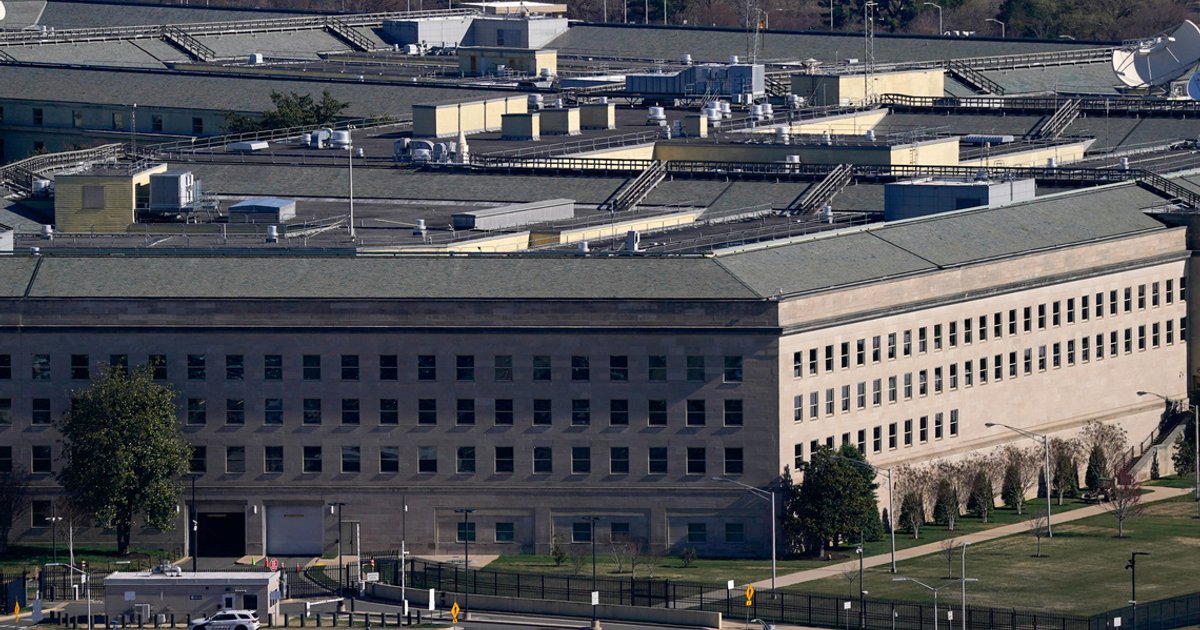
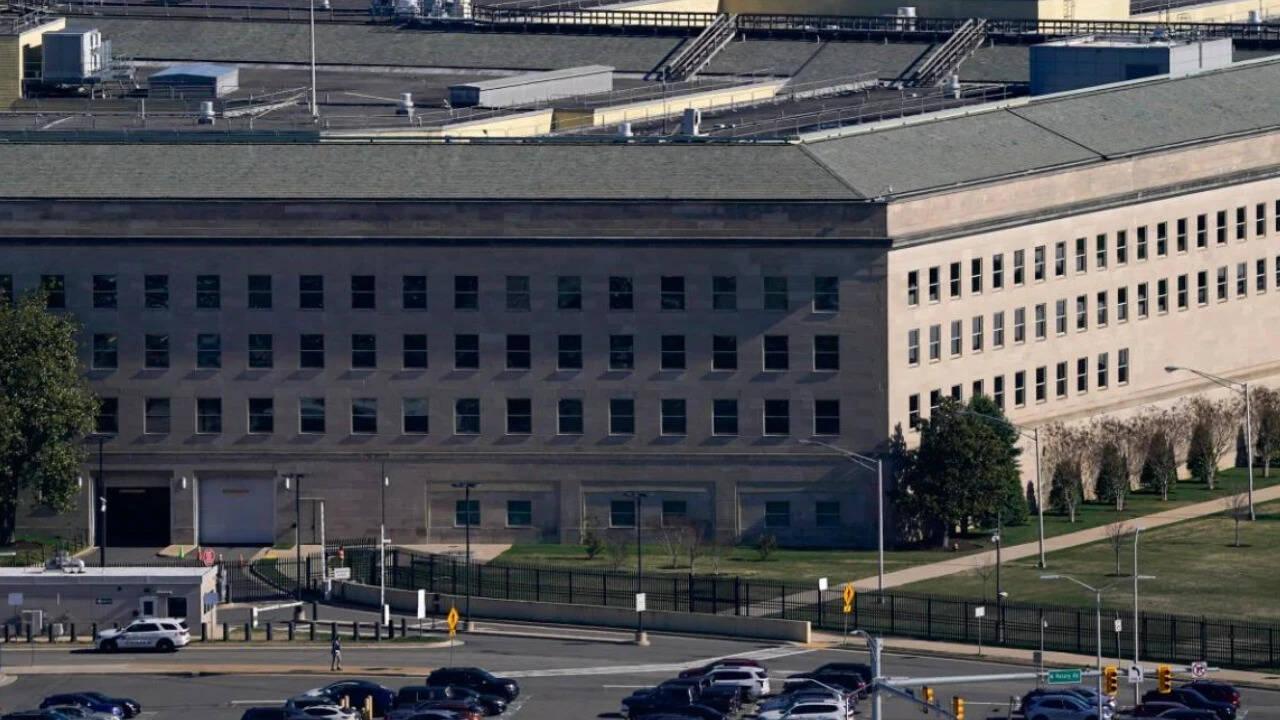
These attacks have taken place on U.S. military bases in August, French supermarkets in October, and at food stores from small markets to big box stores like IKEA in countries including Sweden, Estonia, Ireland, Luxembourg, the Netherlands, and Belgium in early November. asserted
attacks → take → November
"We're observing targeted attacks gradually built and practiced against Israel, tested in Europe and the U.S., and unleashed [now]," Moyal said in an interview with NPR. asserted
Moyal → observe → NPR
Across the globe, bad actors with access to AI are breaking into and taking control of the aging machines that run global critical infrastructure, from water pumps to cooling systems. asserted
that → break → systems
That should put pressure on governments and companies to find solutions to long-standing security challenges before things get even worse, cybersecurity experts say. asserted
experts → put → challenges
"With great connectivity comes great responsibility," said Josh Corman, a former cybersecurity official with the Cybersecurity and Infrastructure Security Agency who specializes in public safety. asserted
who → come → safety
"As we connect industrial refrigeration to the Internet, we expose it to accidents and adversaries," Corman continued. asserted
Corman → connect → accidents
"While these [attacks] hit food," he said, the next ones could go after "temperature sensitive drugs and laboratory materials." uncertain
ones → hit → drugs
Origins in Israel As early as March, hackers appear to have targeted a small chain of kosher grocery stores in Israel, according to avideo posted to social media. uncertain
hackers → appear → media
In the video, a customer is touching previously frozen food including soft, squishy packages of meat that have clearly spoiled. asserted
that → touch → meat
The company did not immediately respond to a request for comment about the incident. asserted
company → respond → incident
A couple months later, hackers went after a bigger target in the food production plant and its associated businesses, the incident Profero was called in to respond to. asserted
Profero → go → plant
Moyal declined to share the name of the company due to client confidentiality, but described further details about the incident to NPR. asserted
Moyal → decline → NPR
The hackers broke into the industrial controllers that helped manage and monitor the freezers. asserted
that → break → freezers
They also adjusted the safety limits, opened the gas pressure valves, changed the credentials, disabled alerts, and destroyed forensic evidence in the middle of the night. asserted
They → adjust → night
They took advantage of the vulnerable devices as well as the laws of thermodynamics to render the compressors "eliminated," Moyal said. asserted
Moyal → take → thermodynamics
"They were blown up … not like C4 exploding, but they got overused and there was smoke. asserted
they → blow → ?
" The technical sophistication of these attacks is advancing, in part thanks to AI, Moyal added. asserted
Moyal → advance → AI
"What we were able to see is they very rapidly were able to, almost like magic, go from initially playing with the system to fully understanding how the configuration works," Moyal said. asserted
Moyal → see → system
"They tried the simple things … and then they started to bombard the system with different types of configurations until they destroyed the compressor. asserted
they → try → compressor
It wasn't human, the amount of configurations they were able to try in a short time span. asserted
they → try → span
" Replacing parts and recovering from the attack were costly, in time and money, Moyal added. asserted
Moyal → replace → time
But the hackers didn't stop there. asserted
hackers → stop → ?
A propaganda video about the Israeli grocery store hack was released in October. asserted
video → release → October
While it was largely wiped from the internet, it was shared with NPR on the condition that the identity of Moyal's client wouldn't be revealed. asserted
identity → wipe → client
NPR is choosing not to publish it for that reason and not to aid in the spread of propaganda. asserted
NPR → choose → propaganda
That video suggests stoking fear was part of the hackers' motivation. uncertain
stoking → suggest → motivation
In the video, labeled with a glowing red triangle embossed with the "Cyber Isnaad Front" logo, a masked man sits in a room full of digital screens, typing away on a keyboard before revealing hacked surveillance footage of customers across Israel in supermarkets that were affected by the large-scale destruction, as well as employees at the company finding the printed propaganda materials. asserted
employees → label → materials
In Arabic, the hackers claim to have launched the attack on behalf of the starving children of Gaza, closing out with the hacker saluting French students in French, likely a reference to ongoing riots in France over education. uncertain
hacker → claim → education
It's unclear why the video references French students, though the group has impersonated a French far-right group in the past and targeted the Israeli delegation to the 2024 Paris Olympics. uncertain
group → reference → Olympics
…and 71 more, not listed.

💬Give feedback
🕘History 🎫Support