 The Aporia
Golkhandan, E. (2026, November 2). Iran cannot eat a self-sufficiency statistic. Washington Examiner. https://www.washingtonexaminer.com/op-eds/4785943/iran-food-security-beyond-self-sufficiency/
Golkhandan, Elham. “Iran cannot eat a self-sufficiency statistic.” Washington Examiner, 2 Nov. 2026, https://www.washingtonexaminer.com/op-eds/4785943/iran-food-security-beyond-self-sufficiency/.
Golkhandan, Elham. “Iran cannot eat a self-sufficiency statistic.” Washington Examiner, November 2, 2026. https://www.washingtonexaminer.com/op-eds/4785943/iran-food-security-beyond-self-sufficiency/.
Dated from the outlet's own feed. Check the original for its byline.
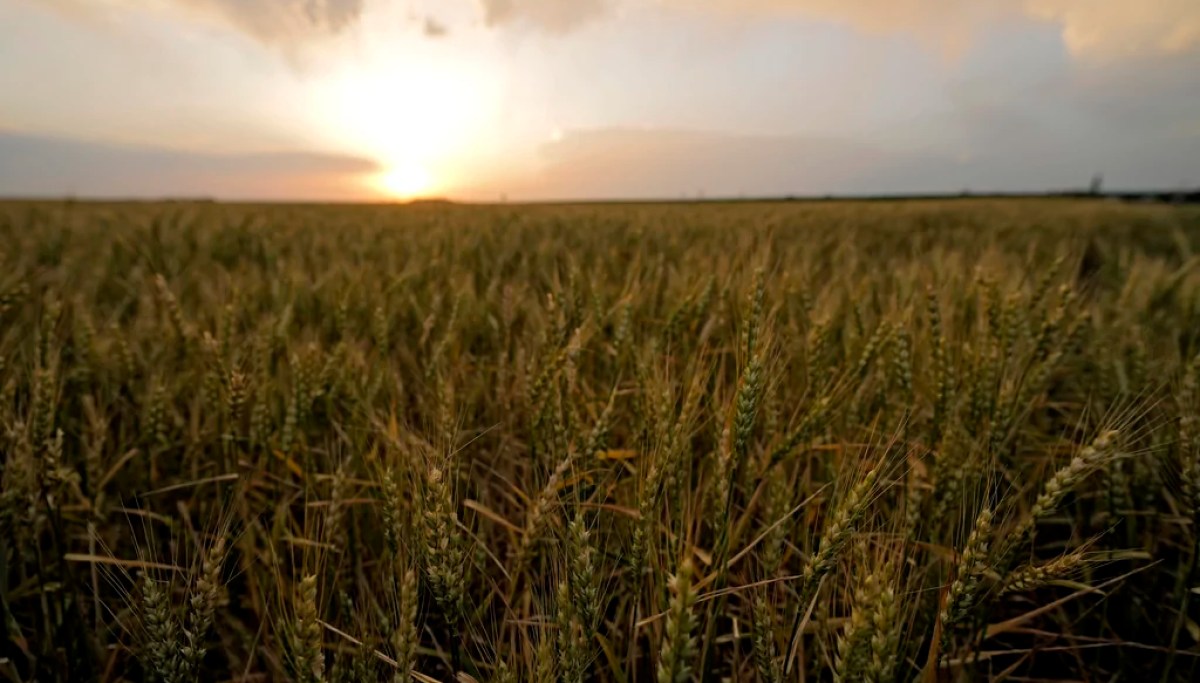
As of November 2, 2026, Iran faces challenges in maintaining self-sufficiency in wheat despite improved rainfall conditions forecasted by the Food and Agriculture Organization (FAO). Wheat farmers reported to Iran International on October 14 that delayed government payments have left them short on cash needed for seed and fertilizer purchases ahead of autumn planting. While officials claim most debts were settled, delays attributed to administrative discrepancies continue to pose risks for timely plantings.
This situation highlights the broader issue of relying solely on domestic harvest totals as a measure of food security in Tehran. Grain output is crucial, but so are factors like prompt payments to farmers and affordable prices at retail levels. Despite projected near-average cereal harvests for 2026, wheat-flour and rice prices in April were approximately 170% and 220% higher than the previous year, indicating that increased production does not necessarily translate into accessible food for consumers.
The episode reveals a deeper flaw in treating domestic harvest totals as the main measure of food security. Grain output matters. So does paying growers in time to plant again, protecting water, and ensuring families can buy nutritious food.
Yet Tehran’s retail wheat-flour and rice prices in April were roughly 170% and 220% higher, respectively, than a year earlier. Those figures are not current nationwide inflation data. They show why better production prospects need not mean affordable food.