The federal government has quietly started charging asylum applicants more than $1800 to appeal their visa refusals, in a move that aims to deter dodgy claims but risks intimidating genuine refugees with less money in the bank.
uncertain
that → start → bank
Legal services that assist refugees and asylum seekers were only informed of the new appeal fee on Sunday, the same day the $1863.50 charge was introduced.
asserted
charge → assist → Sunday
The upfront fee is the government’s latest effort to stop people abusing the protection visa scheme: refugee applications have been used as a backdoor for migrants to stay longer in Australia because they can take years to process and then years to appeal.
asserted
they → stop → years
About four in five onshore asylum claims are unsuccessful and the number of people now living in Australia with a failed protection visa claim exceeds 111,000, according to Home Affairs data.
uncertain
number → live → data
Almost 35,000 of those people are currently contesting their visa refusal at the Administrative Review Tribunal (ART).
asserted
35,000 → contest → Tribunal
This backlog has become a headache for the Albanese government as so-called “visa overstayers” become a hot political issue pursued by the Coalition and One Nation.
asserted
overstayers → become → Coalition
Until this month people were charged $2293 if their appeals failed but ART officials told Senate estimates last week that only about 20 per cent of people were paying that fee.
asserted
cent → charge → fee
The new rules, uploaded to the ART website at the weekend, will make all appellants pay $1863.50 upfront, and those who are successful will be refunded.
asserted
who → upload → 1863.50
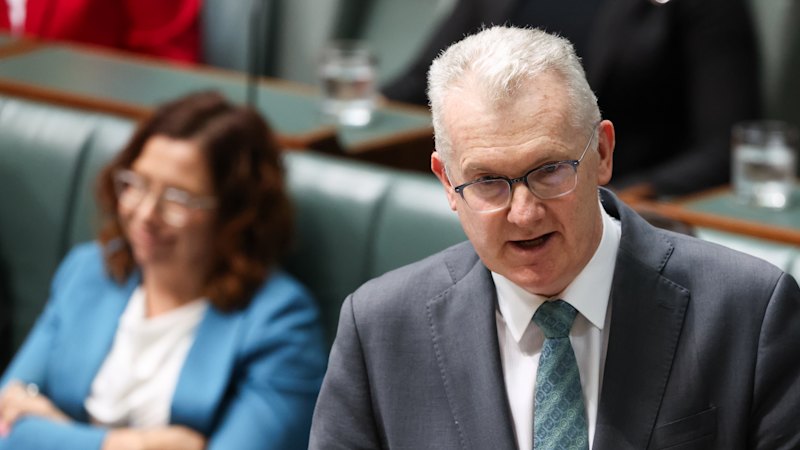
Home Affairs Minister Tony Burke said this week’s change was only necessary because so many people applied for asylum without merit.
asserted
people → say → merit
He emphasised that it only applied to people who had already been assessed by the department as not needing protection.
asserted
who → emphasise → protection
“Sadly, 85 per cent of those who appeal the decision are found not to be owed protection obligations and, of those, less than 20 per cent have been paying,” he said in a statement.
asserted
he → appeal → statement
“That’s why we’ve had to switch the obligation so that payment happens at the start, we’ve lowered the fee, and anyone who does have a successful application will have the fee refunded in full.”
asserted
fee → ’ → application
Reducing the number of people who applied for review without valid claims would make the system much faster for genuine asylum seekers, Burke said.
uncertain
Burke → reduce → seekers
But the deputy chief executive of the Asylum Seeker Resource Centre, Jana Favero, said it would punish genuine refugees who were already skipping meals or going without essential medications.
asserted
who → say → medications
“There are a range of reasons why people’s claims are not recognised initially.
uncertain
claims → be → reasons
Perhaps the department got it wrong, or people need time to clearly express and unpack the worst moments in their lives,” Favero said.
asserted
Favero → get → lives
“Having the ability to challenge a flawed decision that is fundamental to their safety shouldn’t come at a prohibitive financial cost.
asserted
that → have → cost
Nobody’s right to challenge a government decision that could put their life in danger should depend on how much money they have in their bank account.”
Latest data from the ART website shows the tribunal had 34,546 protection visa appeals in its caseload at the end of September, which were taking a median of one year and 37 weeks to process.
Of the 6729 cases that the tribunal dealt with in the first three months of this financial year, 4778 visa rejections were upheld, while 521 were overturned.
uncertain
521 → challenge → year
The remaining cases were either withdrawn or had another issue.
asserted
cases → remain → issue
Burke had reportedly been mulling tougher rules for asylum applicants ahead of his anticipated National Press Club address in September, including by restricting work rights and putting a deadline on applications.
uncertain
Burke → mull → applications
However, he did not proceed as some protests were raised within Labor, and the Coalition refused to co-operate.
asserted
Coalition → proceed → Labor
His crackdown instead focused on working holidaymakers and student family visas.
asserted
crackdown → focus → holidaymakers
The federal register of legislation shows Burke’s new regulation was made last week on October 29, days before coming into effect on November 1.
asserted
regulation → show → November
The move was not anticipated by refugee services, and officials from the Administrative Review Tribunal did not mention the coming change when questioned about appeal fees at Senate estimates last Monday.
asserted
officials → anticipate → estimates
Former immigration department official Abul Rizvi said the government would be nervous that its moves to tighten other parts of the migration system would lead to an influx of asylum claims because it would become the only pathway left for people who exhausted their visa options to extend their stay in Australia.
uncertain
who → say → Australia
“The more you tighten onshore policy, the more likely there will be a breakout in asylum applications.
asserted
you → tighten → applications
Even a 10 per cent increase is substantial from a cost perspective, and difficult both administratively and politically,” he said.
asserted
he → say → perspective
 The Aporia