The Aporia
The Korea Times. (2026, November 2). In South Korea, Lee’s overseas trips fuel familiar battle over presidential perks. South China Morning Post. https://www.scmp.com/news/asia/east-asia/article/3372915/south-korea-lees-overseas-trips-fuel-familiar-battle-over-presidential-perks
The Korea Times. “In South Korea, Lee’s overseas trips fuel familiar battle over presidential perks.” South China Morning Post, 2 Nov. 2026, https://www.scmp.com/news/asia/east-asia/article/3372915/south-korea-lees-overseas-trips-fuel-familiar-battle-over-presidential-perks.
The Korea Times. “In South Korea, Lee’s overseas trips fuel familiar battle over presidential perks.” South China Morning Post, November 2, 2026. https://www.scmp.com/news/asia/east-asia/article/3372915/south-korea-lees-overseas-trips-fuel-familiar-battle-over-presidential-perks.
Dated from the outlet's own feed. Check the original for its byline.
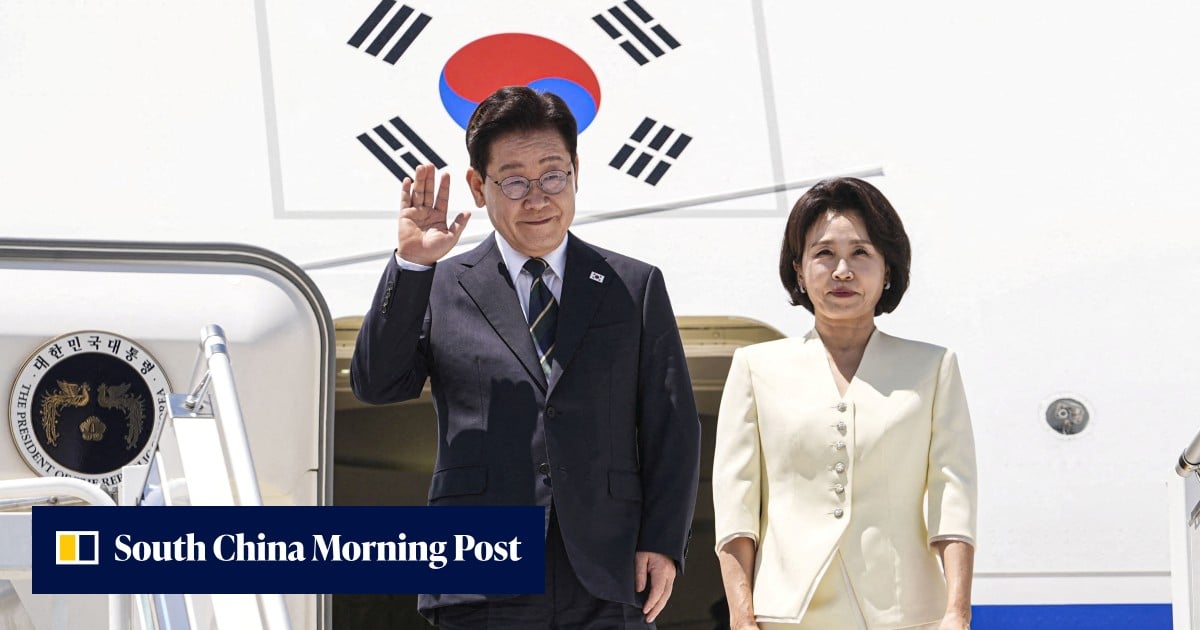
South Korea is currently facing a debate over presidential perks related to President Lee's frequent overseas trips. Ruling parties justify these visits as essential for diplomatic relations, while opposition groups argue they are unnecessary and costly, fueled by taxpayer money. The latest controversy involves National Security Adviser Wi Sung-lac defending the necessity of First Lady Kim Hea-kyung accompanying President Lee on his international travels. This ongoing dispute reflects differing public attitudes towards presidential privileges and the allocation of government resources under successive administrations in South Korea.
Ruling parties usually defend the activities as necessary for diplomacy while the opposition calls them wasteful or excessive
governing parties defending certain activities as necessary for diplomacy or official duties and the opposition calling them wasteful or excessive