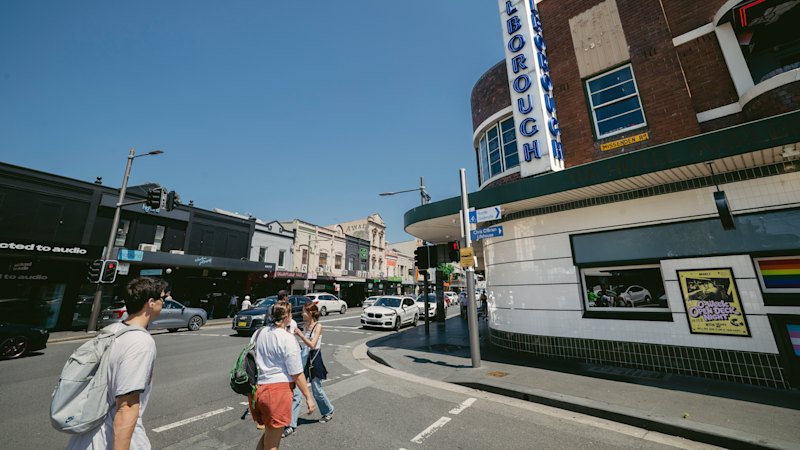
Photo via The Sydney Morning Herald

The Sydney pub and the stoush over dance-floor caps and surveillance

Read the original at The Sydney Morning Herald ↗
Cite

Barwell, D. (2026, November 2). The Sydney pub and the stoush over dance-floor caps and surveillance. The Sydney Morning Herald. https://www.smh.com.au/national/nsw/the-sydney-pub-and-the-stoush-over-dance-floor-caps-and-surveillance-20261102-p61ads.html?ref=rss&utm_medium=rss&utm_source=rss_feed

Dated from the outlet's own feed. Check the original for its byline.

The Sydney Morning Herald · collected 2026-11-02 · by David Barwell

Quick Summary

NSW Police proposed stricter surveillance measures including biometric cameras and dance floor capacity limits for the Marlborough Hotel in Newtown due to 93 alleged incidents between 2020 and 2025. However, the Independent Liquor & Gaming Authority (ILGA) rejected these measures, citing difficulties in enforcement and privacy concerns. Privacy advocates and local councillors argued that such steps would undermine the venue's viability and create a deterrent for patrons, particularly from the LGBTQ community. While ILGA agreed there were ongoing safety issues, it did not support police’s specific proposals, finding them disproportionate and impractical to enforce.
Written by AI on 2026-11-02, from this article's own text only (the story summary below draws on all the coverage).

AI analysis

Story summary

As of November 2, 2026, the Independent Liquor & Gaming Authority (ILGA) rejected a NSW Police proposal to force The Marlborough Hotel in Newtown, Sydney, to install biometric facial recognition cameras and impose strict capacity limits on its dance floor. The ILGA ruled that these measures would be difficult to enforce and overly intrusive for patrons. Over five years, from 2020 to 2025, the police documented 93 serious incidents at the venue, including assaults, sexual touching, drink spiking, and resisting police. Despite this, the ILGA determined that the proposed measures were disproportionate and not necessary, noting ongoing engagement with hotel operators had already been attempted without lasting improvements. The decision highlights a broader debate over balancing public safety concerns with individual privacy rights in nightlife venues.

Written for “Sydney Pub Dance Floor Caps” on 2026-11-02, grounded in this article and the 0 other(s) covering the same event.
Why this leaning score
The article's own words the score was based on. Each is quoted verbatim and was checked against the article text before being stored, so you can find it in the original.
Reading Leans left (beta estimate) Confidence high
Leaning: leans left for article 122141 (high confidence, 1 verified quote) · logged 2026-11-02

Story

📰 Sydney Pub Dance Floor Caps
Crime & Law · 1 article(s) covering the same event.

Compared with similar articles

Nothing to compare against. No article is close enough to this one for the pipeline to have linked or judged the pair.
How this article was measured signals, leaning charts, publisher record, byline, topics and claims

Signals How these are calculated →

Claims extracted
14
sentences that state something as happening or true
Uncertain
7%
1 of 14 hedged ("reportedly", "may", "according to")
Leaning
Leans left
of the writing, not the subject · beta estimate
Publisher signals
61/100
The Sydney Morning Herald's corrections and hedging, across everything collected from it. Not a measure of accuracy.
Outlets on this story
1
Crime & Law
Same framing elsewhere
1
articles that frame the event the way this one does
Analyzed 2026-11-02 · how these are computed

How this is being covered How these are calculated →

Article leaning vs. publisher reliability
Source leaning vs. consistency

Publisher

The Sydney Morning Herald · 5788 article(s) · 15 correction(s) detected
Running correction rate · 15 correction(s)

Who wrote this

David Barwell
8 article(s) here · 1 carrying a prediction
🔮 The state’s liquor watchdog has rejected a NSW Police push to force a popular Newtown pub to introduce biometric facial recognition cameras and strict capacity limits on the dance floor, ruling the measures would be difficult to enforce and represent a disproportionate intrusion on patrons.
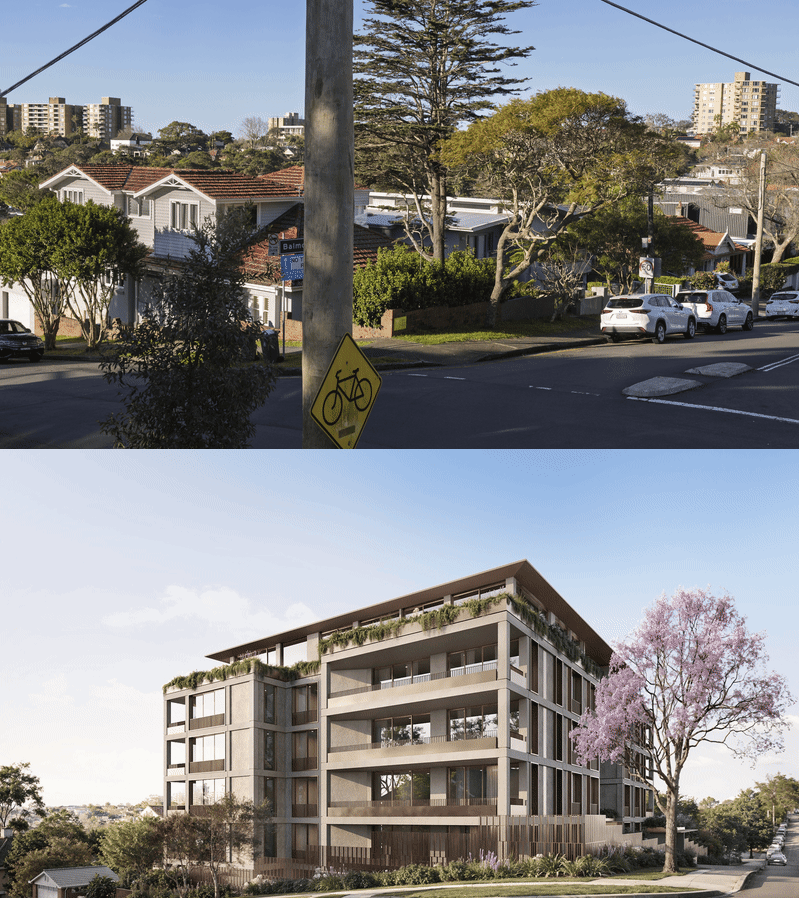
🔮 The plan, which includes an initial stage of 100 homes, three of which would be affordable dwellings, received initial support this month from the NSW government’s Housing Delivery Authority, a planning body established to boost housing supply through streamlined assessments that bypass local councils.
🔮 The shift will impact up to 600 occupants including active personnel, up to a dozen defence families including those with young children, along with public servants, reservists and cadets.
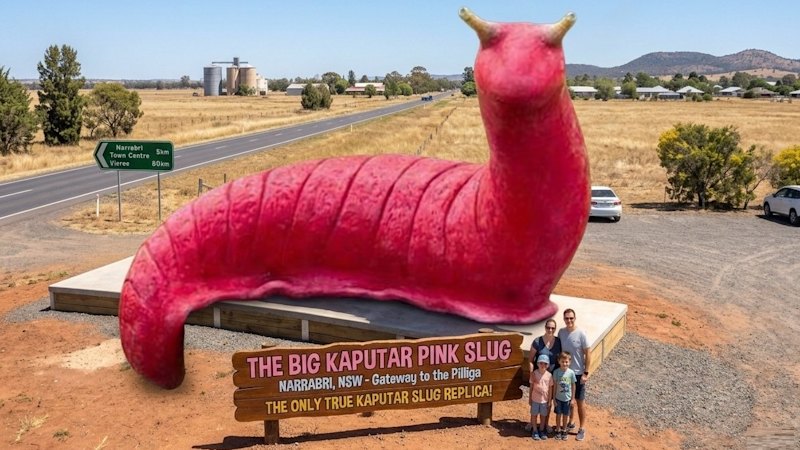
🔮 The proposed monument would shine a spotlight on the endangered Mount Kaputar pink slug, a land mollusc found exclusively in the high-altitude subalpine forests atop Mount Kaputar, an extinct volcano about 50 kilometres east of Narrabri.
2026-10-06 · assertive framing · NSW’s next big thing? A giant pink slug
🔮 The decision could have implications for the NSW government’s push to increase housing density across Sydney through its low- and mid-rise housing reforms, because the case turned on whether the site fell within a crucial 400-metre “safe walking distance” of Spit Junction.
🔮 But a Herald analysis of projects already moving through the planning system suggests the eventual number could be substantially higher.
🔮 It would be operated by Navarra Venues, which runs a string of other Sydney venues including Le Montage at Lilyfield, Curzon Hall at Marsfield and Oatlands Estate.
🔮 A dozen parking bays on the edge of the central business district are set to be transformed into an expansion of one of Sydney’s newest and most popular harbour swimming spots ahead of summer.
Also by David Barwell
NSW’s next big thing? A giant pink slug
2026-10-06 · The Sydney Morning Herald
Nothing else under this byline is closely related to this article, so these are simply their most recent.
All 8 articles by David Barwell →

Topics

ILGA NSW Police Newtown Sydney The Marlborough Hotel

Subjects

ILGA ORG · 4× NSW GPE · 3× NSW Police ORG · 2× Newtown GPE · 2× Sydney GPE · 2× Greens NORP · 1× Jeff Loy PERSON · 1× Jess Miller PERSON · 1× The Marlborough Hotel ORG · 1× the Independent Liquor & Gaming Authority ORG · 1×

Narrative

Police argued that repeated engagement with hotel operators had failed to deliver lasting improvements, and noted the venue accounted for almost one in seven alcohol-related incidents recorded across the broader King Street precinct over five years. However, the proposal sparked resistance from venue operators, privacy advocates, and City of Sydney councillors, who signed a submission to ILGA opposing the police measures they argued would threaten the viability of a venue that has traded since 1860 and attracts up to 4000 patrons a week.
framing: assertive · carried by 1 article(s) · first seen 2026-11-02
🔮 The state’s liquor watchdog has rejected a NSW Police push to force a popular Newtown pub to introduce biometric facial recognition cameras and strict capacity limits on the dance floor, ruling the measures would be difficult to enforce and represent a disproportionate intrusion on patrons.
2026-11-02 · The Sydney Morning Herald
The Sydney pub and the stoush over dance-floor caps and surveillance · assertive framing

Claims (14 extracted, 1 hedged)

The state’s liquor watchdog has rejected a NSW Police push to force a popular Newtown pub to introduce biometric facial recognition cameras and strict capacity limits on the dance floor, ruling the measures would be difficult to enforce and represent a disproportionate intrusion on patrons. asserted
measures → reject → patrons
The Marlborough Hotel, a live music and nightlife institution on King Street, will not be required to install AI-driven surveillance technology or impose dance floor restrictions as part of measures police said were designed to address a string of alleged compliance failures and alcohol-related incidents over the past five years. asserted
police → require → years
The police application to the Independent Liquor & Gaming Authority (ILGA) detailed 93 alleged serious incidents at the venue between 2020 and 2025, including assaults, sexual touching, drink spiking, and resisting police. asserted
application → detail → assaults
Police argued that repeated engagement with hotel operators had failed to deliver lasting improvements, and noted the venue accounted for almost one in seven alcohol-related incidents recorded across the broader King Street precinct over five years. However, the proposal sparked resistance from venue operators, privacy advocates, and City of Sydney councillors, who signed a submission to ILGA opposing the police measures they argued would threaten the viability of a venue that has traded since 1860 and attracts up to 4000 patrons a week. asserted
that → argue → patrons
The submission raised concerns over the collection of biometric information from “large numbers of law-abiding patrons”, warning it could deter members of the LGBTQ community from attending and create an “atmosphere of institutional surveillance rather than social enjoyment”. Deputy Lord Mayor Jess Miller warned the proposed conditions would have not only devastated “the Marly”, but “completely undermined” the NSW government’s vibrancy reforms, which aim to rebuild Sydney’s nightlife after years of venue closures prompted by former lockout laws. In its original application, police sought a density cap of one person per square metre across the dance floor – a proposal the ILGA rejected, finding there was limited evidence to support it and that it would be “impractical to enforce”. uncertain
it → raise → it
Lawyers representing the venue argued in a submission the cap would have slashed dance floor capacity from 200 to 70, made live gigs economically unviable and triggered the termination of 15 casual staff. asserted
gigs → represent → staff
The submission also argued police had overstated the number of incidents and current risks at the venue. asserted
police → argue → venue
It said the hotel had security measures in place including 75 CCTV cameras, body-worn cameras for security staff and an entry fee policy that refuses an average of 1800 people each year to help reduce intoxication. asserted
that → say → intoxication
While rejecting facial recognition and capacity caps, ILGA disciplinary matters committee chair Jeff Loy found that some additional safeguards sought by police were justified during high-risk periods of trade to moderate intoxication among patrons, given ongoing safety concerns raised by police. asserted
safeguards → reject → police
This includes a post-midnight ban on shots, drinks containing more than 50 per cent spirits, and a strict two-drink purchase limit per patron. asserted
This → include → patron
Newtown Greens MP Jenny Leong welcomed the decision, saying questions remained over how the biometric information would have been collected, stored and monitored. asserted
information → welcome → decision
“We need a vibrant, welcoming nightlife, and there’s nothing more likely to dampen the party than having Big Brother tech watching over you on a dance floor. asserted
tech → need → floor
The decision comes as the use of facial recognition technology gains a foothold inside major retailers to curb antisocial behaviour as well as inside NSW gaming lounges under harm minimisation reforms introduced by the NSW government. asserted
use → come → government
NSW Police was contacted for comment about the decision but did not respond to questions. asserted
Police → contact → questions

💬Give feedback
🕘History 🎫Support