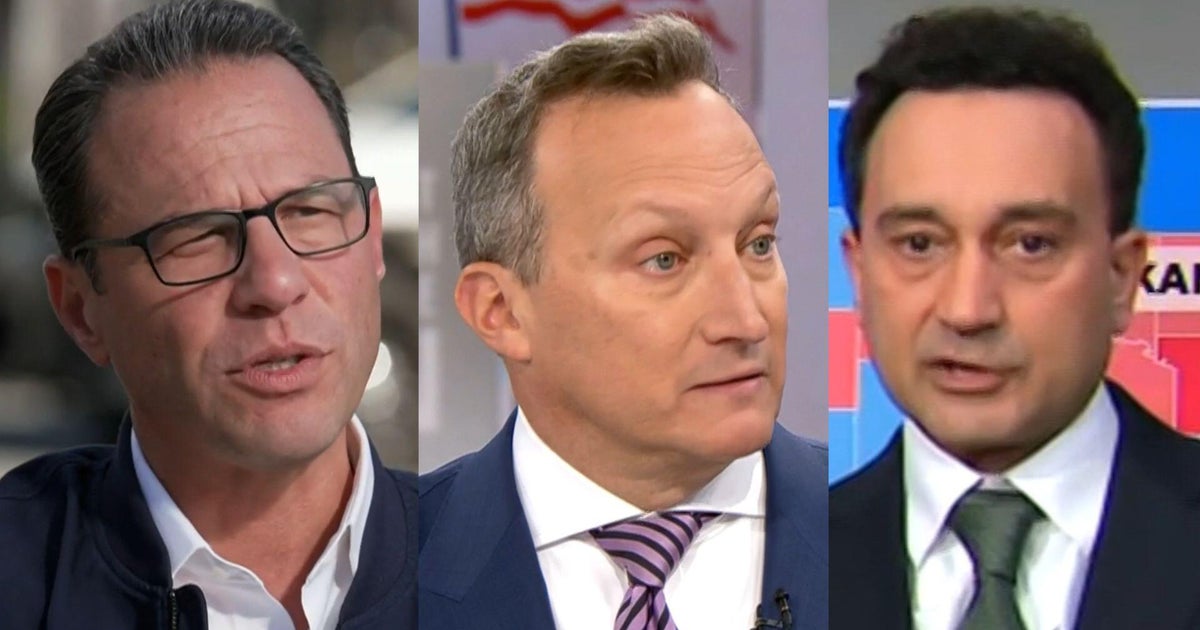
The following is the transcript of the interview with David Becker, CBS News election law contributor and the executive director of the Center for Election Innovation and Research, that aired on "Face the Nation with Margaret Brennan" on Nov. 1, 2026.
asserted
that → follow → Nov.
And we're joined now by our CBS News election law contributor and the executive director of the Center for Election Innovation and Research, David Becker.
asserted
we → join → Innovation
So each state- they have their own systems, their own timeline for poll closings--
CBS NEWS ELECTION LAW CONTRIBUTOR DAVID BECKER: Right.
MARGARET BRENNAN: --and for vote counting.
asserted
they → have → counting
Some places, early votes already in, but when will we know results?
asserted
we → know → results
Well, we're going to know results, not because of the factor of how fast states are counting- look, the election officials in every county in every state are going to be working all night long trying to get the ballots reported out.
asserted
ballots → go → state
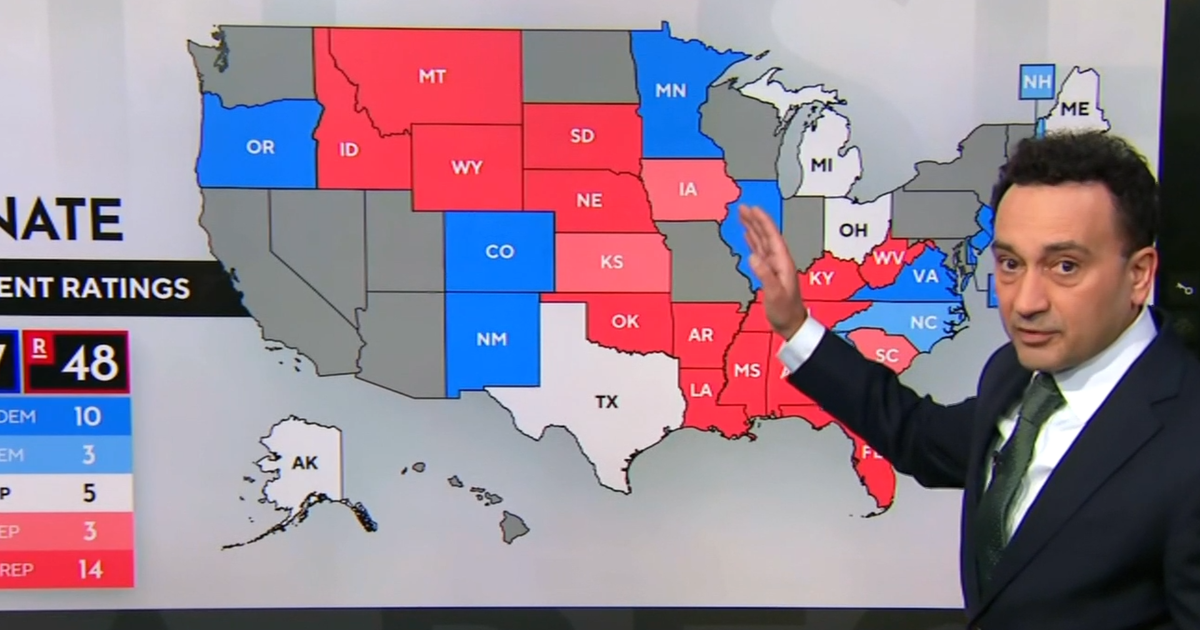
The biggest variable is how close the elections are, because when you talk to someone like Anthony Salvanto, who will tell you if it's really close, they just need more ballots in before they can make a call to say for sure the person in second place can't come in- can't win the race.
asserted
person → talk → race
So, in a lot of states where we haven't seen close elections before, we're going to see close elections in all likelihood, and it might take days.
uncertain
it → see → days
A day like- a state like Alaska in particular, where they're already well behind Eastern Time, they've got very remote voting all over the place.
asserted
they → get → place
They're going to bring ballots in from all over the place to count them.
asserted
They → go → them
And everything that's going on in the election offices all over the country is under observation.
asserted
that → go → observation
There are Republican and Democratic observers at all times watching the ballots counted, watching the mail ballots being opened, et cetera.
asserted
ballots → be → cetera
So people should know there's nothing going on.
asserted
people → know → ?
It might take a few days.
uncertain
It → take → days
: Usually people who are appointed by the parties, either the Democratic or Republican Party, representing candidates in many times or campaigns.
asserted
who → appoint → times
So the parties are well represented.
asserted
parties → represent → ?
They're seeing everything that's going on, and as soon as the results come in and we see them, they're aware of them.
asserted
they → see → them
Let's talk about Alaska.
asserted
's → let → Alaska
It is ranked choice voting.
asserted
It → rank → ?
This morning on CNN, Republican Dan Sullivan, the incumbent senator, said he will accept the results of the election if he loses.
asserted
he → say → election
As we discussed on this program last Sunday with Attorney General Todd Blanche, the Justice Department is seeking to stop certification of a possible Democratic win due to ballot confusion with what the New York Times has reported is this Democratic scheme to stack the ballot in accusing- in a confusing way to disadvantage the senator.
asserted
Times → discuss → senator
Yesterday, just to update everyone, Alaska's Republican-led state government urged a federal judge to dismiss--
: That's right.
asserted
That → update → judge
MARGARET BRENNAN: --the lawsuit that the DOJ filed.
asserted
DOJ → file → that
They said it was meritless.
asserted
it → say → ?
So, doesn't this need to be settled by a federal judge before election day?
asserted
this → need → day
It really does, and I mean, it'd be nice if a federal judge dismisses the DOJ's lawsuit, as so many courts have across the country in these last-minute lawsuits that have been brought seemingly, mainly to create an impression of chaos.
asserted
that → do → chaos
They're failing, but in Alaska in particular, it would be nice if we got a federal court ruling.
asserted
we → fail → ruling
We might get one, but Alaska's courts have ruled on this, including their Supreme Court.
uncertain
courts → get → Court
They ruled that both Dan Sullivans can be on the ballot.
asserted
Sullivans → rule → ballot
We've shown-
asserted
We → shown- → ?
You've shown the ballot before.
asserted
You → show → ballot
It's pretty clear that the Alaska Division of Elections, run by the Lieutenant Governor- Governor, there, a Republican, has done a really good job of making it as- as unconfusing as it can be.
asserted
it → run → job
And with that ranked choice voting, if- even if someone still wasn't sure and they ranked both Dan Sullivan's first and second, by the second round, all of those votes would go to the- to the- whatever candidate got the most, presumably the incumbent senator.
asserted
candidate → rank → most
I'm not surprised Senator Sullivan says he will accept the results.
asserted
he → say → results
Of course, this is Alaska defending its state sovereignty and its right and authority over elections in the state of Alaska, as guaranteed by the United States Constitution.
asserted
Alaska → defend → Constitution
It's good to see the Republican governor and Republican lieutenant governor there in Alaska defending their sovereignty as strongly as they are.
asserted
they → see → sovereignty
But even Democrats, as I've said before, have said this does look bad.
asserted
this → say → ?
This looks like dirty pool.
asserted
This → look → pool
Looks like they're playing dirty.
asserted
they → look → dirty
Both parties do this.
asserted
parties → do → this
It shouldn't happen.
asserted
It → happen → ?
…and 22 more, not listed.
 The Aporia