An amber glow creeps through three small windows in a Parkdale basement apartment as the evening settles.
asserted
evening → creep → apartment
Inside, Diana Chan McNally stands in front of her expansive record collection as one of her cats sprawls on the green retro table they share.
asserted
they → stand → table
Prior to settling into her cosy unit adorned with knick-knacks, McNally endured a trail of evictions tied to disputes with questionable landlords.
asserted
McNally → settle → landlords
With the election victory Monday night that saw her become the councillor for Parkdale—High Park, the longtime tenant advocate has taken one giant step toward altering the economic makeup of city hall.
asserted
advocate → see → hall
Before the election, Toronto had no councillors confirmed to be a renter like McNally, and now it will have three.
asserted
it → have → three
She told the Star she wanted to bring that perspective to the fight against Toronto’s affordability crisis.
asserted
she → tell → crisis
Council should understand that,” McNally said.
asserted
McNally → understand → that
“But they should also understand that renters are by far more precarious in their particular situations.”
asserted
renters → understand → situations
Toronto has several tools to address tenants’ concerns.
asserted
Toronto → have → concerns
Those include enforcing property standards, regulating certain landlord practices — as it has through the landmark Rental Renovation Licence Bylaw, which resulted in a decrease in unlawful evictions and its “Cracking Down on Bad Landlords” initiative — and shaping development through zoning.
asserted
which → include → zoning
The core policies dictating renters’ everyday stability, though, are decided at Queen’s Park, not City Hall.
asserted
policies → dictate → Park
The provincial government retains control over rent-control rules and can override many municipal decisions.
asserted
government → retain → decisions
McNally says bringing back hands-on services, such as the city-funded eviction-prevention program, is one of many feasible actions the city itself can take.
asserted
city → say → actions
The Ward 4 councillor-elect highlighted Eviction Prevention in the Community (EPIC), which provides financial assistance and legal supports to low-income tenants facing immediate displacement, as the kind of municipal initiative that works.
asserted
that → highlight → initiative
“I actually think council has been doing a much better job (of addressing tenants’ concerns), and I’m happy to see it,” McNally said.
asserted
McNally → think → it
While she insisted her campaign wasn’t a “homeowners versus renters” contest, she noted that the renter’s perspective is necessary for the city to “be a better landlord” to its residents.
asserted
city → insist → residents
Along with McNally, two more of the city’s seven new councillors, Chiara Padovani and Curran Stikuts, also say they’re renters.
asserted
they → say → councillors
(Three declined to clarify if they were renters.)
asserted
they → decline → ?
The 2021 Census, the latest available city-level data, showed renters accounted for 48.1 per cent of Toronto households, up from 47.2 per cent in 2016.
asserted
renters → show → 2016
A Parkdale resident since 2020, McNally said she’s been evicted twice in various parts of the city, once when her landlord falsely claimed to be moving back to their apartment, and a second time in the form of a “renoviction.”
asserted
landlord → say → renoviction
“My own experience is not very unique, unfortunately,” she said.
asserted
she → say → ?
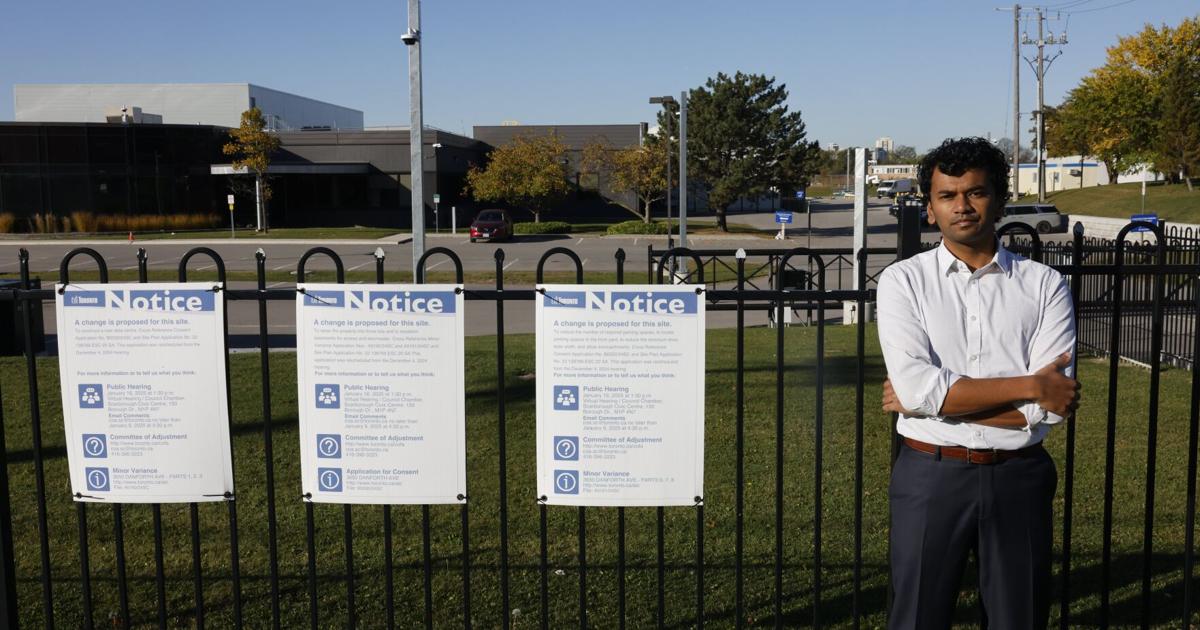
Kevin Rupasinghe, who says he’s a renter — and who fell short in his third attempt running for office in Scarborough Southwest earlier this week — told the Star that while issues plaguing the city extend beyond renters, residents expect a city council to “match the diversity and the lived experiences of the people that make up the city.”
asserted
that → say → city
“Whether that is that half the city are women, or renters, or visible minorities … do you have people who understand what life is like and what priorities people have?” Rupasinghe said.
asserted
Rupasinghe → have → priorities
Mirroring the rest of the city, Scarborough Southwest also maintains a nearly equal balance of renters and homeowners.
asserted
Southwest → mirror → renters
“Some of those experiences need to be reflected back, so that when decisions are being made, there are people at council who are communicating and bringing voice to what those experiences are,” Rupasinghe said.
asserted
Rupasinghe → need → voice
While Rentals.ca’s October 2026 Rent Report shows an average rent in Toronto of $2,554 — 25.6 per cent higher than the national average of $2,034 — Best Real Estate Agency, a real-estate brokerage comparison platform, estimates that those looking to transition into an entry-level condo can expect to pay between $540,000 and $670,000.
asserted
those → show → 540,000
Such a purchase would require at least $40,000 cash upfront, and a household income “in the low to mid $100,000s.
asserted
purchase → require → 100,000s
Results from the Star’s Vote Compass indicated that 80 per cent of non-homeowners believed owning a home is something only the wealthy can do.
asserted
wealthy → indicate → home
History shows that councillors who enter city hall as renters often leave as homeowners.
asserted
who → show → homeowners
(Among councillors who responded to the Star’s survey, two said they were renters going into council; they have since bought homes.
asserted
they → respond → homes
Rodney Snooks, a member of Toronto Tenant Union, told the Star that while the organization didn’t make any endorsements, it encouraged voters to scrutinize the candidates to ensure the protection of tenants’ interests.
asserted
it → tell → interests
“Do (the candidates) have a record of standing up for tenants, or are they opposed to tenants’ interests?”
asserted
they → have → interests
Carmen Bezner Kerr, co-chair of TTU’s downtown branch, added that Toronto “becomes a city for the rich” if it’s governed by individuals who can’t relate to the struggles of the general public.
asserted
who → add → public
“The city is becoming impossible to live in for the people who work here.”
asserted
who → become → people
 The Aporia