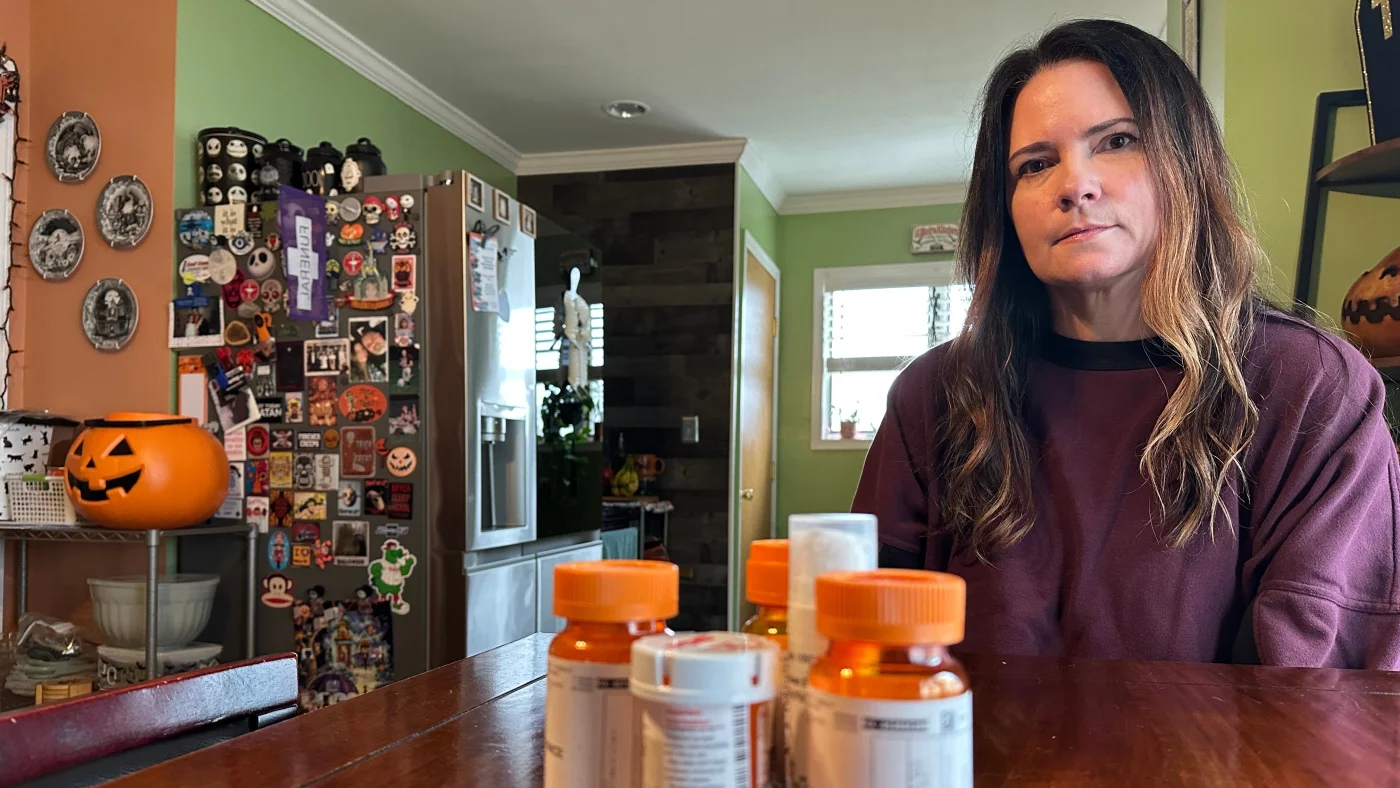
Photo via Toronto Star

What to know about the Affordable Care Act's open enrollment period now underway

Read the original at Toronto Star ↗
Cite

Hussein, F. (2026, November 1). What to know about the Affordable Care Act's open enrollment period now underway. Toronto Star. https://www.thestar.com/news/world/united-states/what-to-know-about-the-affordable-care-act-s-open-enrollment-period-now-underway/article_03cb5df4-d314-51d8-9564-da14d85a33eb.html

Dated from the outlet's own feed. Check the original for its byline.

Toronto Star · collected 2026-11-01 · by Fatima Hussein

Quick Summary

The Affordable Care Act's open enrollment period began on Sunday and runs through January 15, 2027, with significant changes affecting many participants. Key updates include higher premiums, fewer coverage options, expiring financial assistance for some groups, and new restrictions on immigrants. The average price of health insurance purchased through the marketplaces is expected to rise by 13%, primarily due to rising healthcare costs and other factors like hospital concentration and the No Surprises Act.
Written by AI on 2026-11-01, from this article's own text only (the story summary below draws on all the coverage).

AI analysis

Story summary

The Affordable Care Act (ACA) open enrollment period for 2027 coverage began on November 1, 2026, in most states. Consumers will face higher premiums and fewer coverage options, with an average price increase of 13% according to analysis by the Kaiser Family Foundation (KFF). Premium tax credits and cost-sharing reductions are now restricted for many previously eligible groups, including certain immigrants such as those holding temporary H-1B work visas or seeking green-card applications. Health insurance shoppers can expect increased scrutiny through identity checks and potential delays in working with brokers. These changes follow the expiration of enhanced subsidies at the end of 2025, which led to a decline in overall enrollment.

Written for “Affordable Care Act Open Enrollment Begins” on 2026-11-01, grounded in this article and the 2 other(s) covering the same event.
Why this leaning score
The article's own words the score was based on. Each is quoted verbatim and was checked against the article text before being stored, so you can find it in the original.
Reading Leans left (beta estimate) Confidence high
Leaning: leans left for article 121395 (high confidence, 1 verified quote) · logged 2026-11-01

Story

📰 Affordable Care Act Open Enrollment Begins
Health · 3 article(s) covering the same event. See how they differ ↓

Compared with similar articles

This article reads leans left and hedges 28% of its claims. Each row says how that neighbour differs.
The Independent
⚖️ Leans left Hedges 5 of 18 claims Outlet record 59/100
NPR
⚖️ Leans left Hedges 13 of 72 claims Outlet record 60/100
How this article was measured signals, leaning charts, publisher record, byline, topics and claims

Signals How these are calculated →

Claims extracted
18
sentences that state something as happening or true
Uncertain
28%
5 of 18 hedged ("reportedly", "may", "according to")
Leaning
Leans left
of the writing, not the subject · beta estimate
Publisher signals
64/100
Toronto Star's corrections and hedging, across everything collected from it. Not a measure of accuracy.
Outlets on this story
3
Health
Same framing elsewhere
2
articles that frame the event the way this one does
Analyzed 2026-11-01 · how these are computed

How this is being covered How these are calculated →

Article leaning vs. publisher reliability
Source leaning vs. consistency

Publisher

Toronto Star · 11011 article(s) · 28 correction(s) detected
Running correction rate · 28 correction(s)
2026-10-26
Correction
2026-10-24
Correction
2026-10-07
Correction
2026-09-24
Correction

Who wrote this

Fatima Hussein
11 article(s) here · 1 carrying a prediction
🔮 The open enrollment window for the marketplace, also known as Obamacare, opens on Sunday in most states and closes on Jan. 15. Health insurance bought through the Affordable Care Act marketplaces is expected to cost 13% more on average in 2027, according to an analysis of new CMS data by the healthcare research nonprofit KFF. Aside from higher premiums and fewer coverage options in 2027, anyone planning to sign up should also brace for expiring financial assistance, rising rates, potential delays in working with a broker, new restrictions on immigrants, and stricter enrollment checks.
🔮 Across the board, healthcare experts predict less coverage and higher prices, with the average price of health insurance purchased through the marketplaces expected to rise by 13% in 2027, according to analysis of new CMS data by the healthcare research nonprofit KFF.
🔮 "On my monthly income, I would not be able to afford my new medical expenses," says Weigand, 83, who lives in North Canton, Ohio.
🔮 Barbara Weigand could not have prepared more for retirement.
🔮 WASHINGTON (AP) — Barbara Weigand could not have prepared more for retirement.
🔮 New restrictions have stripped Medicaid coverage from certain legal immigrants, including refugees and victims of human trafficking, as part of broader federal changes to the health insurance program that are expected to force millions off their coverage.
🔮 President Donald Trump is set to announce Friday that all 50 states will join in on a program set to provide most favored nation pricing to some drugs within the Medicaid program, bringing the net price of selected drugs down to prices paid in certain other countries.
🔮 We've accomplished in 19 months things that would have seemed unthinkable two years ago,” he said.
🔮 Both Trump and Health and Human Services Secretary Robert F. Kennedy Jr. have suggested that childhood immunizations, such as MMR, may contribute to autism.
Also by Fatima Hussein
Nothing else under this byline is closely related to this article, so these are simply their most recent.
All 11 articles by Fatima Hussein →

Topics

ACA Affordable Care Act CMS KFF WASHINGTON

Subjects

ACA ORG · 7× CMS ORG · 2× Cox PERSON · 2× KFF ORG · 2× Americans NORP · 1× Cynthia Cox PERSON · 1× HealthCare.gov ORG · 1× Republicans NORP · 1× Trump PERSON · 1× WASHINGTON GPE · 1×

Narrative

Increases are driven by multiple factors Cynthia Cox, a vice president and director of the ACA program at KFF, said the increase is primarily driven by rising healthcare costs, hospital market concentration, and potential factors such as the No Surprises Act, which took effect in 2022 and bans surprise billing, or the rising availability of GLP-1 drugs.
framing: mixed · carried by 2 article(s) · first seen 2026-11-01
🔮 Across the board, healthcare experts predict less coverage and higher prices, with the average price of health insurance purchased through the marketplaces expected to rise by 13% in 2027, according to analysis of new CMS data by the healthcare research nonprofit KFF.

Claims (18 extracted, 5 hedged)

People heading into the Affordable Care Act open enrollment period with plans to sign up for insurance should expect a variety of changes in 2027, including higher premiums and fewer coverage options. asserted
People → head → premiums
The sign-up window for the marketplace, also known as Obamacare, starts Sunday in most states and runs through Jan. 15. Big changes to the exchange include expiring financial assistance, rising rates, potential delays in working with a broker, new restrictions on immigrants, and stricter enrollment checks. asserted
changes → sign → immigrants
Financial help, including premium tax credits and cost-sharing reductions, is now restricted for many groups of people who were previously eligible. asserted
who → include → people
Across the board, healthcare experts predict less coverage and higher prices, with the average price of health insurance purchased through the marketplaces expected to rise by 13% in 2027, according to analysis of new CMS data by the healthcare research nonprofit KFF. uncertain
price → predict → nonprofit
Increases are driven by multiple factors Cynthia Cox, a vice president and director of the ACA program at KFF, said the increase is primarily driven by rising healthcare costs, hospital market concentration, and potential factors such as the No Surprises Act, which took effect in 2022 and bans surprise billing, or the rising availability of GLP-1 drugs. asserted
which → drive → drugs
The people who will be most affected by the new increases are those who do not qualify for a subsidy. asserted
who → affect → subsidy
“They may or may not be able to afford to continue to keep their coverage into next year,” Cox said, adding that “a lot of them have already moved into bronze plans, which are the cheapest plans.” uncertain
which → afford → plans
A CMS fact sheet about open enrollment that was distributed Friday says “Americans using HealthCare.gov will have robust access to low-cost plans.” asserted
Americans → distribute → plans
The price of ACA insurance has skyrocketed for many people during Trump’s second term after Republicans opposed extending COVID-era subsidies that had helped offset the costs of health insurance for most enrollees during Democratic President Joe Biden’s administration. asserted
that → skyrocket → administration
That resulted in 1.2 million fewer people signing up for coverage in the exchanges. asserted
people → result → exchanges
Nearly 20 million people in US are actively enrolled in ACA plans As of February, roughly 19.2 million people in the United States were actively enrolled in ACA marketplace health plans, according to the Department of Health and Human Services website. uncertain
people → enrol → website
The number of enrollees grew during the COVID-19 pandemic when enhanced subsidies became available through the American Rescue Plan Act and Inflation Reduction Act, both signed into law by Biden. asserted
subsidies → grow → Biden
New regulations starting in 2027 will also limit tax credits for certain lawfully present immigrants, which could result in an additional 1 million uninsured individuals over time. uncertain
which → start → time
Meanwhile, the Trump administration has been removing ACA enrollees from the program as part of the ongoing campaign against what it characterizes as waste, fraud and abuse. asserted
it → remove → waste
In September, Vice President JD Vance and other officials in the Republican administration announced plans to remove 760,000 ACA enrollees from public healthcare exchanges, alleging the individuals were fraudulently enrolled in the program or simply did not exist. asserted
individuals → announce → program
Vance said the discovery and canceled subsidy payments for hundreds of thousands of people from the exchanges, part of an administration-wide crackdown on fraud, would result in $2.2 billion in cost savings. asserted
payments → say → savings
It’s unclear how many more people will drop off of ACA coverage in 2027, Cox said. uncertain
Cox → ’ → 2027
But with higher premiums, immigration eligibility changes and the anti-fraud efforts, “I think there’s going to be fewer people enrolled in this market, but it’s going to be harder to understand why.” asserted
it → think → market

💬Give feedback
🕘History 🎫Support