The Aporia
Mishra, A. (2026, November 1). Six Indian tourists go missing during trek to Nepal's Shey-Phoksundo Lake. Times of India. https://timesofindia.indiatimes.com/world/south-asia/six-indian-tourists-go-missing-during-trek-to-nepals-shey-phoksundo-lake/articleshow/135416519.cms
Mishra, Abhishek. “Six Indian tourists go missing during trek to Nepal's Shey-Phoksundo Lake.” Times of India, 1 Nov. 2026, https://timesofindia.indiatimes.com/world/south-asia/six-indian-tourists-go-missing-during-trek-to-nepals-shey-phoksundo-lake/articleshow/135416519.cms.
Mishra, Abhishek. “Six Indian tourists go missing during trek to Nepal's Shey-Phoksundo Lake.” Times of India, November 1, 2026. https://timesofindia.indiatimes.com/world/south-asia/six-indian-tourists-go-missing-during-trek-to-nepals-shey-phoksundo-lake/articleshow/135416519.cms.
Dated from the outlet's own feed. Check the original for its byline.
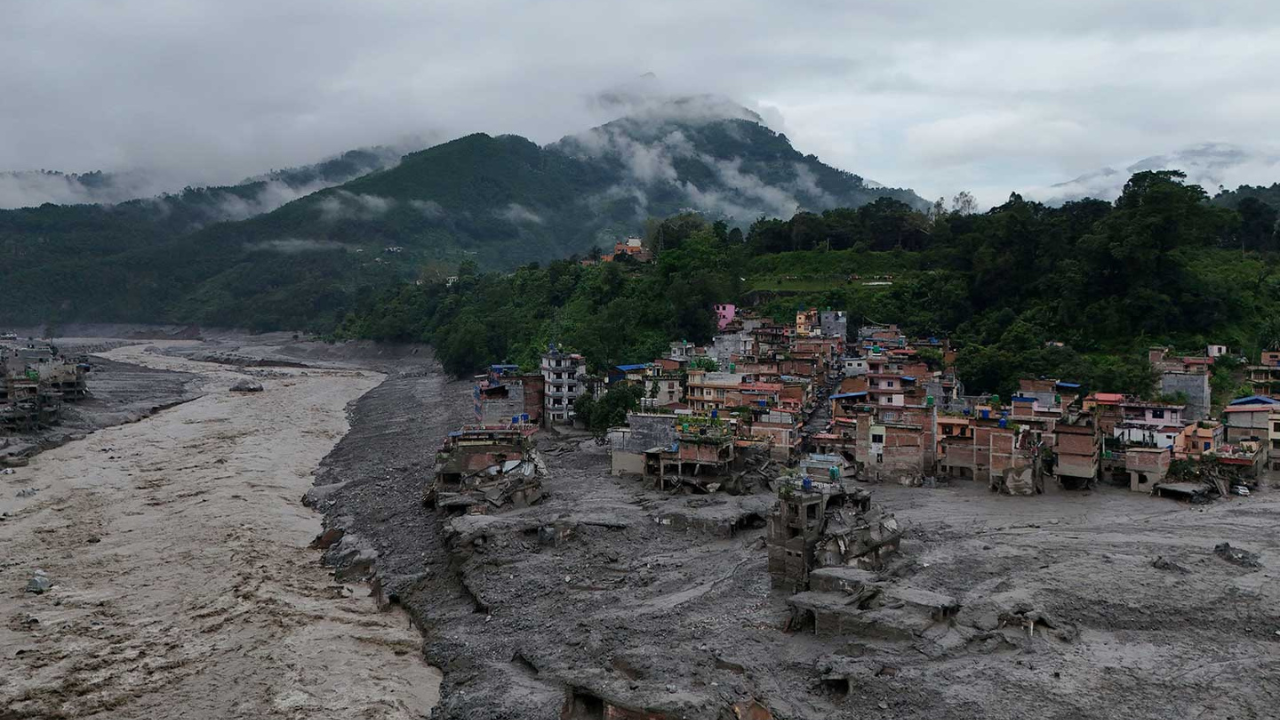
As of November 1, 2026, six Indian tourists, including two women and four men, have gone missing during a trek to Nepal's Shey-Phoksundo Lake, the deepest lake in the country. The group was last reported in the Numla Pass and Bagla Pass areas between Ward Nos. 4 and 8 of Shey-Phoksundo Rural Municipality when heavy snowfall caused them to become stranded. According to local officials, the tourists ignored warnings about dangerous weather conditions and proceeded with their trek despite these risks.
Local guides suspect that Cyclone Arnab developing over the Bay of Bengal influenced the severe snowfall in the Himalayan region, leading to the tourists' disappearance while they were returning from Dho towards Phoksundo Lake. The chief district officer of Dolpa, Junu Hamal, confirmed their status as stranded and missing. This incident highlights the risks associated with traveling through high-altitude areas during extreme weather conditions without proper caution.