The Aporia
Herbert, A. (2026, October 31). Lindsay Clancy tragedy exposes blind spot in modern psychiatry. Washington Examiner. https://www.washingtonexaminer.com/op-eds/4781742/psychiatric-polypharmacy-psychotherapy-prescription-monitoring/
Herbert, Alexander. “Lindsay Clancy tragedy exposes blind spot in modern psychiatry.” Washington Examiner, 31 Oct. 2026, https://www.washingtonexaminer.com/op-eds/4781742/psychiatric-polypharmacy-psychotherapy-prescription-monitoring/.
Herbert, Alexander. “Lindsay Clancy tragedy exposes blind spot in modern psychiatry.” Washington Examiner, October 31, 2026. https://www.washingtonexaminer.com/op-eds/4781742/psychiatric-polypharmacy-psychotherapy-prescription-monitoring/.
Dated from the outlet's own feed. Check the original for its byline.
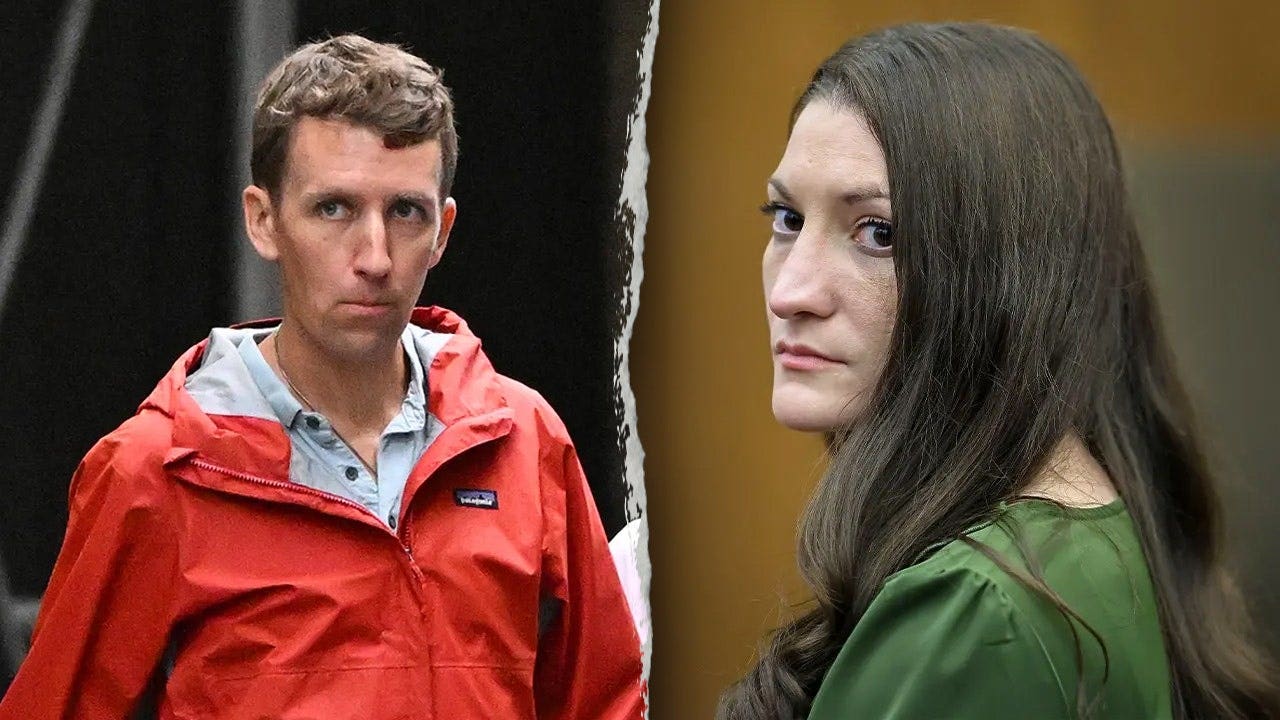
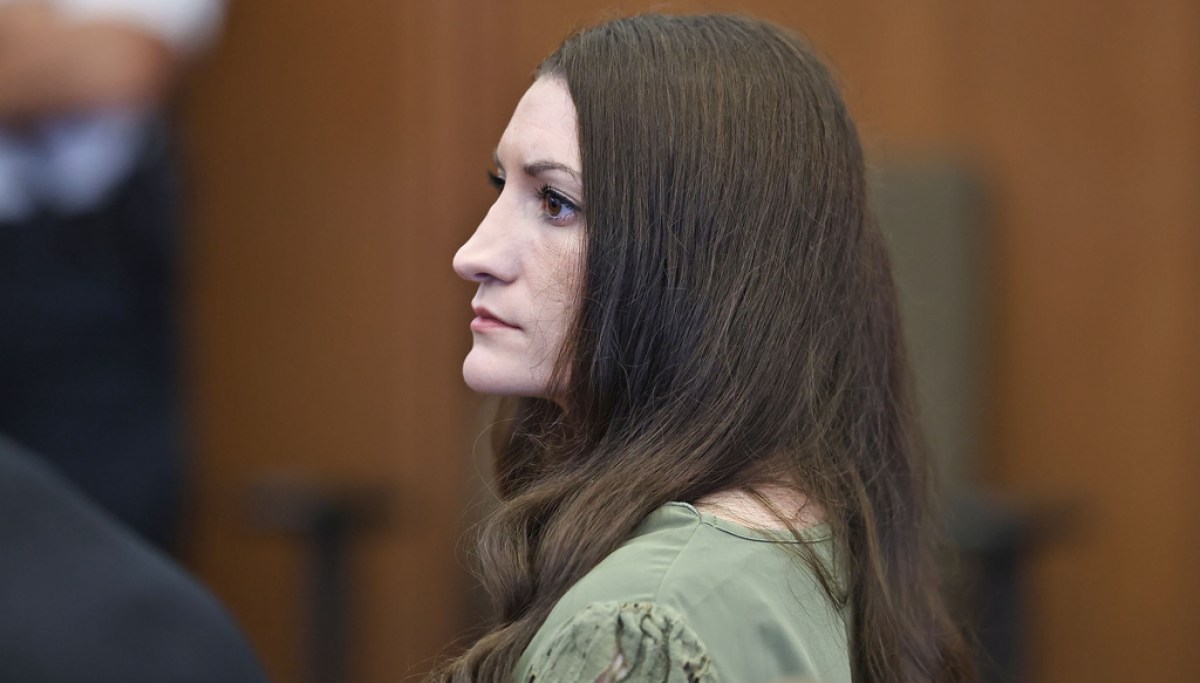
In the four months before her tragic deaths of her three children, Lindsay Clancy was prescribed 13 different psychiatric medications through more than 30 prescriptions. Only four of these medications were covered by Massachusetts’s prescription monitoring program, while nine others, including antidepressants, an antipsychotic, and a mood stabilizer, fell outside the routine reporting requirements. During her trial, it was revealed that Clancy attended only two dedicated psychotherapy sessions at one mental health clinic despite recommendations for weekly therapy. This case highlights concerns about the effectiveness of state prescription monitoring programs and questions whether modern psychiatry has become overly reliant on medication rather than therapeutic conversations.
These facts raise two concerning questions. First, how can physicians effectively combat psychiatric polypharmacy when most state prescription drug monitoring programs exclude most psychiatric medications?
More importantly, has modern psychiatry become so focused on pharmacologic management that it has neglected its most fundamental tool for understanding patients — meaningful conversation?