In a moment marked by economic anxiety, concerns over artificial intelligence, and geopolitical instability, frightening fiction is thriving.
asserted
fiction → mark → intelligence
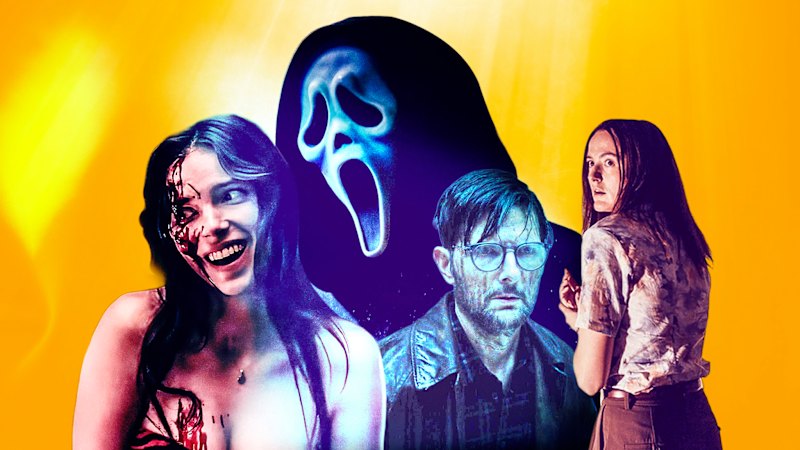
From the page to the big screen, horror has had a massive year.
asserted
horror → have → year
In publishing, the horror sub-genre is set to break new sales records.
asserted
genre → set → records
Readers aren’t the only ones seeking a good scare.
asserted
Readers → seek → scare
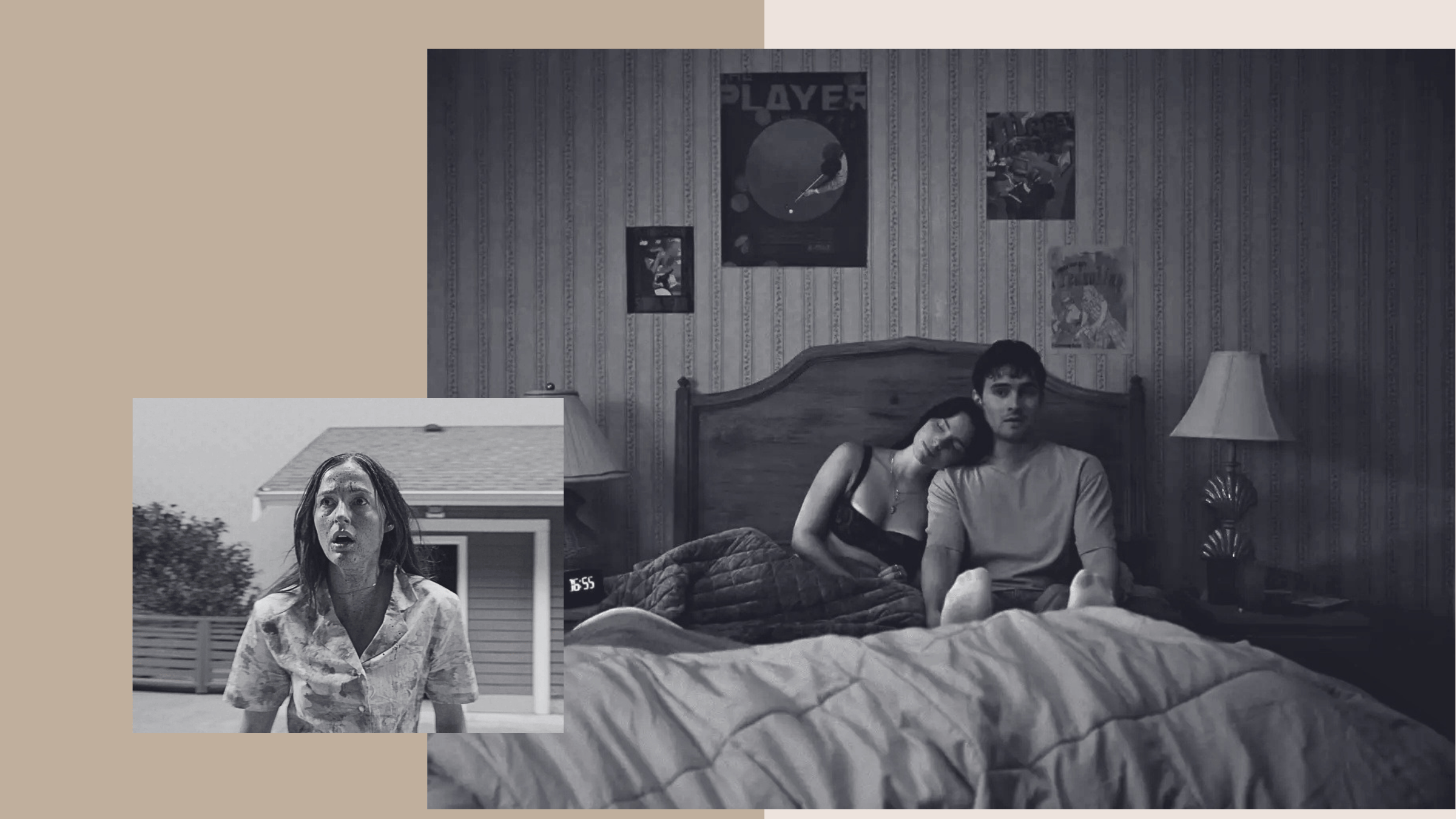
Horror films dominated the silver screen this summer, with Backrooms and Obsession grossing more than $460 million domestically and roughly $900 million globally.
asserted
Backrooms → dominate → million
Both films came from young directors who cut their teeth on YouTube, with their fingers on the pulse of this generation’s anxieties and fears.
asserted
who → come → anxieties
Even as major franchises like Spider-Man broke box office records, audiences turned two original horror stories into blockbuster hits.
asserted
audiences → break → hits
What is it about a horror story that allows it to latch its claws into our minds and pull us in?
asserted
it → allow → us
Why would we seek out an experience that produces in us a feeling of fear and anxiety?
asserted
that → seek → fear
After all, we spend most of our lives trying to avoid these emotions.
asserted
we → spend → emotions
The truth is that humans love to be scared.
asserted
humans → love → ?
We spend our time sharing and consuming scary stories; we take our kids to haunted houses; we dedicate an entire season to all things spooky.
asserted
we → spend → things
Understanding why we crave fear helps explain more than horror’s hold on Hollywood: It reveals how we confront uncertainty, test our limits, and find a sense of control when the world feels frightening enough already.
asserted
world → understand → control
Who loves horror
asserted
Who → love → horror
The prevailing wisdom has long suggested that our desire for a good scare comes from the adrenaline kick we get while watching a scary movie.
uncertain
we → prevail → movie
While this does explain some of the appeal, especially among younger consumers, research shows that many people who like horror movies aren’t necessarily looking for the rush it provides.
asserted
it → explain → rush
Curiosity, specifically about situations that can cause injury or death, is perfectly normal and common.
asserted
that → cause → injury
Morbid curiosity motivates us to learn about dangers, something that all animals can benefit from.
asserted
animals → motivate → that
Horror also offers a laboratory for self-learning.
asserted
Horror → offer → learning
In my own work, I’ve found that a large portion of horror fans are “white knucklers”—people who don’t necessarily enjoy fear, but rather the opportunity to practice overcoming it.
asserted
who → find → it
Many white knucklers report that they have learned something about themselves after a scary-play experience—for example, how they react in stressful situations, or that they should trust their instincts.
asserted
they → report → instincts
Another group of horror fans seems to enjoy scary stories because they offer a safe opportunity to work through feelings of dread, anxiety, and other difficult thoughts.
asserted
they → seem → dread
We called this group the “dark copers.”
asserted
We → call → group
While this may sound odd at first, horror fans and morbidly curious individuals reported higher levels of psychological resilience during the early months of the COVID-19 pandemic, even when controlling for other personality traits and demographic factors.
uncertain
fans → sound → traits
The logic begins to make sense once we work through what a horror story really is: a sandbox for a potentially dangerous situation.
asserted
story → begin → situation
Many animals show some curiosity for things that might be dangerous.
uncertain
that → show → things
Zebras will cautiously observe lions as they lounge, and minnows will swim up to a pike to keep an eye on it.
asserted
minnows → observe → it
However, humans are the most morbidly curious creatures of all because of our ability to ask “What if?”
asserted
humans → ask → ability
In horror, the human capacity for imagination really shines.
asserted
capacity → shin → imagination
We concoct detailed stories of possible encounters with all sorts of beings, some of which we know well, and others that live only in the darkest recesses of our minds.
asserted
that → concoct → minds
We play out scenarios imagining what might happen if we, or someone like us, encountered a terrible situation.
uncertain
we → play → situation
In real life, an encounter with danger is a costly way to learn.
asserted
encounter → learn → danger
Our minds long for safe ways to learn about dangerous situations.
asserted
minds → long → situations
Because of horror’s position as a sandbox for misfortune, consumers tend to reward horror films that reflect their generation’s anxieties.
asserted
that → tend → anxieties
For instance, the unbelievably destructive ability of atomic bombs captured the imagination of those living in the late 1940s and 1950s.
asserted
ability → capture → 1940s
Anxiety about the future of this new atomic age spawned several radiation-borne monsters, the most famous of which was the Japanese film Godzilla (1954).
asserted
famous → spawn → which
Around the same time, paranoia was bubbling in the U.S. about surreptitious invaders, both alien and communist.
asserted
paranoia → bubble → invaders
Invasion of the Body Snatchers (1956) beautifully captured these anxieties in a story about your friends and loved ones being secretly replaced by a foreign, hostile entity.
asserted
friends → capture → entity
In the 21st century, “elevated horror” has taken hold, with films like The Babadook (2014) and Hereditary (2018) portraying anxieties about trauma and mental health.
asserted
horror → take → trauma
And then there are films like Get Out (2017) and Parasite (2019), which took on the tense social issues of race and class.
asserted
which → be → race
…and 29 more, not listed.
 The Aporia