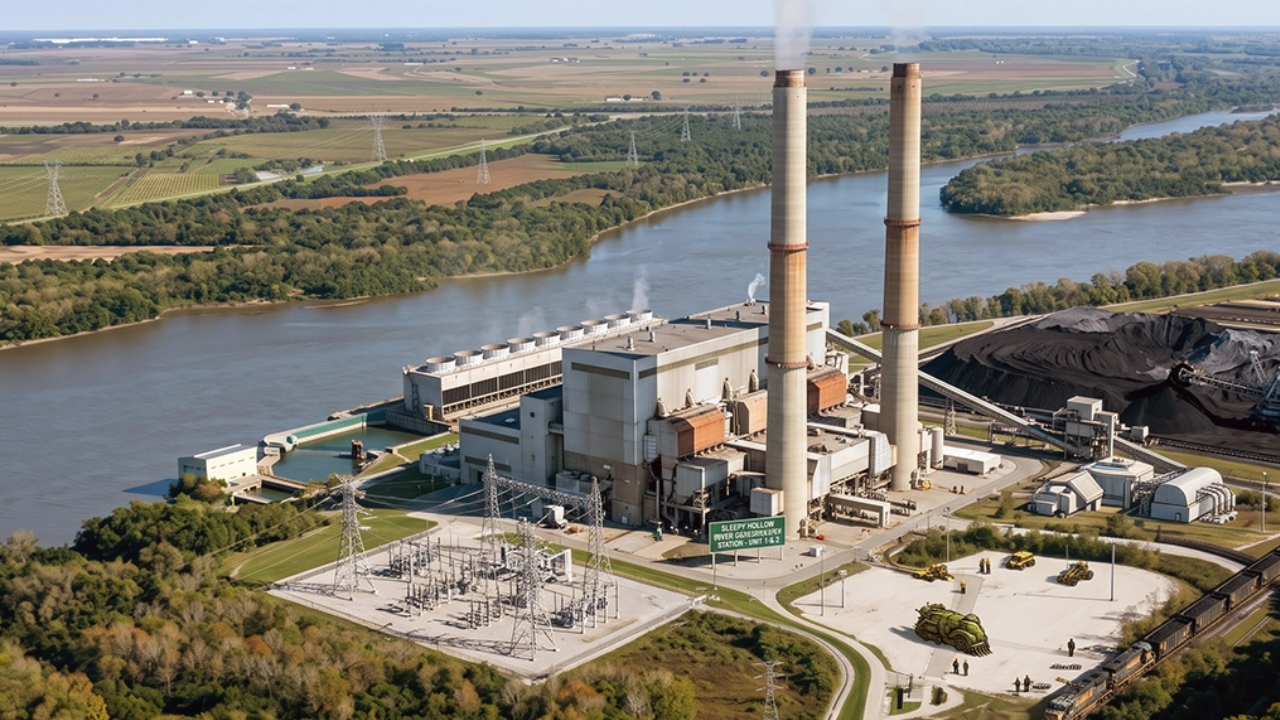
A US federal judge has approved a $47.75 million settlement in a securities lawsuit against Hawaiian Electric Industries, while significantly reducing the legal fees requested by the investors’ lawyers.
asserted
judge → approve → lawyers
The October 23 ruling by the US District Court for the Northern District of California, reported by Bloomberg Law and Law360, brings the investor class action closer to resolution nearly three years after the devastating Maui wildfires.
asserted
ruling → report → wildfires
According to the court’s order in Bhangal v. Hawaiian Electric Industries, Inc., Judge Jacqueline Scott Corley approved the settlement but awarded attorneys $9.55 million, substantially below the amount sought.
uncertain
Corley → accord → amount
The decision follows scrutiny of the legal teams’ billing records and the hours claimed for their work on the case.
asserted
decision → follow → case
Why investors sued Hawaiian Electric
asserted
investors → sue → Electric
The lawsuit centred on allegations that Hawaiian Electric Industries and senior company officials misled investors about the utility’s preparedness for wildfire risks.
asserted
Industries → centre → risks
The claims concerned securities purchased or acquired between February 28, 2019, and September 4, 2023, covering the period leading up to the August 2023 wildfires that devastated Lahaina, Maui.
uncertain
that → concern → Lahaina
The complaint alleged that investors were given an inaccurate impression of the company’s efforts to address wildfire threats.
asserted
investors → allege → threats
Hawaiian Electric and the other defendants denied wrongdoing, and the settlement does not constitute an admission of liability.
asserted
settlement → deny → liability
The case had not reached a final ruling on the merits of the allegations.
asserted
case → reach → allegations
The court had previously dismissed the complaint while allowing the plaintiff to amend it.
asserted
plaintiff → dismiss → it
The parties agreed to settle while a second motion to dismiss was pending, avoiding the uncertainty, expense and potential delays of further litigation.
asserted
motion → agree → litigation
Judge reduces attorneys’ fees by nearly $4.8 million
The most significant development in the ruling was the reduction in attorneys’ fees.
asserted
development → reduce → fees
Class counsel requested 30% of the settlement fund, amounting to $14.325 million.
asserted
counsel → request → million
Judge Corley instead awarded 20%, or $9.55 million, reducing the requested fees by $4.775 million.
asserted
Corley → award → million
The judge found that the request exceeded the 25% benchmark generally applied in the Ninth Circuit without sufficient justification.
asserted
request → find → justification
The order also raised concerns about the way legal work had been recorded and the extent of potentially duplicated work between law firms.
asserted
work → raise → firms
The court questioned the reported $4.6 million in legal fees calculated using counsel’s recorded hours.
asserted
court → question → hours
It estimated that reasonable, non-duplicative work would more likely support a figure of approximately $2.5 million.
asserted
work → estimate → million
The judge also declined to grant the lead plaintiff’s request for an additional $10,000 award, finding that the application was not adequately supported.
asserted
application → decline → award
Separately, the court allowed $133,938.30 in litigation expenses for lead counsel Pomerantz LLP but rejected $43,297.37 in costs claimed by Levi & Korsinsky.
asserted
court → allow → Levi
Settlement administration expenses were capped at $500,000, despite the administrator reporting higher costs.
asserted
administrator → cap → costs
More than 24,000 claims accepted
uncertain
claims → accept → ?
The settlement administrator, Verita, received 67,472 claims after sending 160,167 notices to potential class members.
uncertain
administrator → receive → members
Of those claims, 24,306 were accepted, while 43,166 were rejected.
uncertain
43,166 → accept → claims
The high rejection rate initially prompted questions from the court.
asserted
rate → prompt → court
However, the administrator explained that many submissions failed to demonstrate an eligible loss, included securities or trading dates outside the class period, or lacked the documentation needed to verify eligibility.
asserted
submissions → explain → eligibility
The court accepted that explanation, noting that none of the rejected claimants had challenged the denials within the available process.
asserted
none → accept → process
The approved claims represent approximately 60 million shares, equivalent to 75% of the damaged shares estimated by the plaintiff’s expert.
uncertain
claims → approve → expert
Twenty investors opted out of the settlement, while one objection was filed and subsequently overruled.
asserted
objection → opt → settlement
When will investors receive payments?
asserted
investors → receive → payments
The $47.75 million settlement will be distributed among eligible claimants after deductions for attorneys’ fees, litigation expenses, administration costs and applicable taxes.
asserted
settlement → distribute → fees
Payments will be calculated proportionally according to each claimant’s recognised loss under the settlement’s allocation plan, rather than divided equally.
uncertain
Payments → calculate → plan
The court directed the parties to submit a proposed judgment by November 6, 2026.
asserted
court → direct → November
As of October 24, no payment date had been announced.
asserted
date → announce → October
The deadline to submit claims was June 25, 2026, meaning investors cannot file new claims under this settlement.
uncertain
investors → submit → settlement
If funds remain after the initial distribution, the administrator will attempt a second distribution.
asserted
administrator → remain → distribution
The securities lawsuit is separate from litigation seeking compensation for people who suffered personal injury or property losses in the Maui wildfires.
asserted
who → seek → wildfires
The approved agreement addresses investor claims arising from alleged misrepresentations about wildfire risks, not the full range of losses caused by the disaster.
uncertain
agreement → approve → disaster
 The Aporia