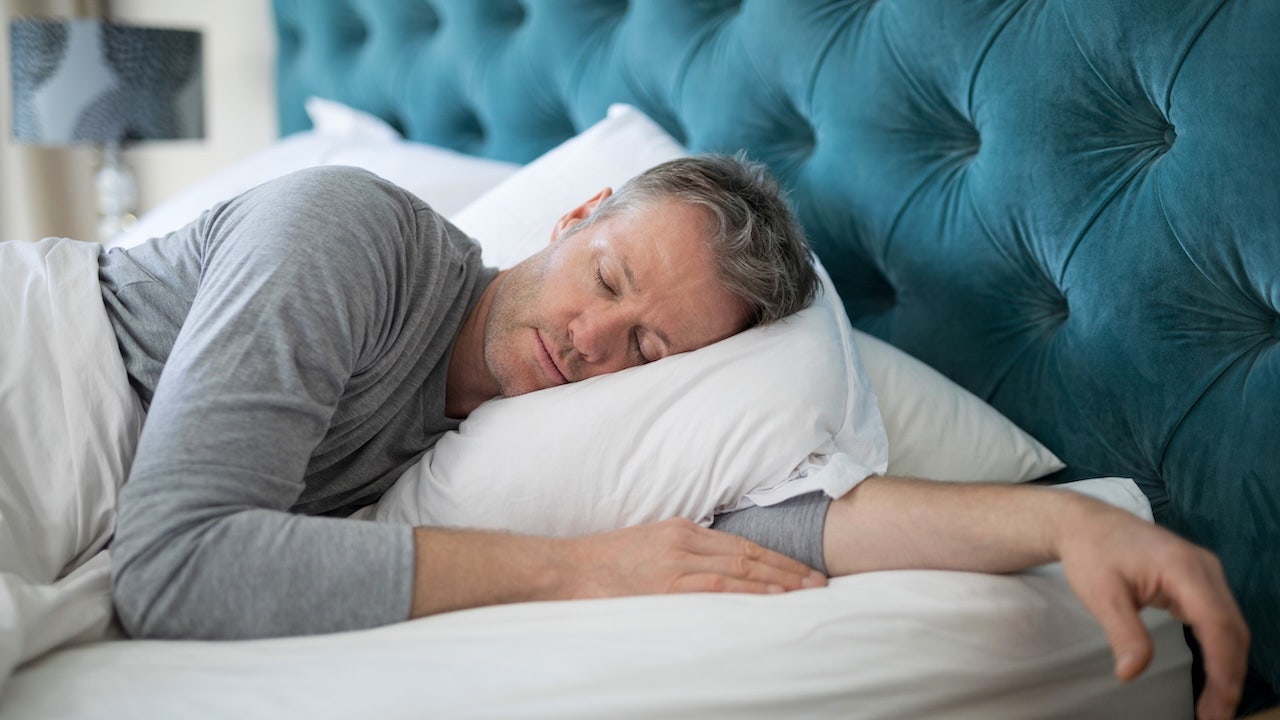
Photo via Fox News

Daylight saving time is ending: Doctor breaks down 6 ways to protect your sleep and health

Read the original at Fox News ↗
Cite

Rudy, M. (2026, October 29). Daylight saving time is ending: Doctor breaks down 6 ways to protect your sleep and health. Fox News. https://www.foxnews.com/health/daylight-saving-time-ending-doctor-breaks-down-6-ways-protect-sleep-health

Dated from the outlet's own feed. Check the original for its byline.

Fox News · collected 2026-10-30 · by Melissa Rudy

Quick Summary

Dr. John La Puma discusses how adjusting clocks back at the end of daylight saving time can disrupt sleep patterns and affect health. He suggests making small schedule adjustments before the change, like shifting bedtime by 15-minute increments starting on Friday. Dr. Saema Tahir advises against staying up late or drinking heavily on Halloween, noting that alcohol and caffeine can worsen sleep quality after the time shift. Both doctors emphasize the importance of getting afternoon sunlight to help adjust body clocks naturally.
Written by AI on 2026-10-30, from this article's own text only (the story summary below draws on all the coverage).

AI analysis

Story summary

Daylight saving time ended on November 5, 2026, causing many to adjust their sleep schedules. Dr. John La Puma, a California physician specializing in nature-based medicine, advises making small adjustments to routines before the actual time change to ease the transition. He cited an eight-year study of about 60,000 people that linked consistent sleep and wake times to a 19% lower risk of death, emphasizing the importance of maintaining regular schedules even on weekends. Dr. La Puma noted that while some studies suggest potential cardiovascular benefits from the time change, the abrupt loss of evening sunlight can suppress serotonin and melatonin production, leading to feelings of depression. He recommended gradually shifting sleep times and meal schedules over a week before the clocks turn back to minimize disruption.

Written for “Daylight Saving Time Ending” on 2026-10-30, grounded in this article and the 0 other(s) covering the same event.
Why this leaning score
This article does not take a side on a contested political question, so it has no leaning score. That is an answer rather than a gap: a match report or a rescue can be warmly or critically written without being left or right, and scoring it anyway is how approval of a subject gets recorded as a political position.
No political leaning scored for article 116141 · logged 2026-10-30

Story

📰 Daylight Saving Time Ending
Health · 1 article(s) covering the same event.

Compared with similar articles

This article reads unscored and hedges 22% of its claims. Each row says how that neighbour differs.
Toronto Star
Hedges 1 of 37 claims Outlet record 64/100
“While both articles discuss the end of daylight saving time and its effects, they are not reporting on a single specific incident but rather general advice around this annual occurrence.”
New York Post
Hedges 7 of 25 claims Outlet record 66/100
“The articles discuss similar topics (health impacts of ending daylight saving time) but do not describe the same specific incident or occurrence.”
CBC News
Hedges 5 of 49 claims Outlet record 74/100
“The articles discuss different aspects of daylight saving time ending and its health effects but do not describe the same specific incident or occurrence.”
How this article was measured signals, leaning charts, publisher record, byline, topics and claims

Signals How these are calculated →

Claims extracted
37
sentences that state something as happening or true
Uncertain
22%
8 of 37 hedged ("reportedly", "may", "according to")
Leaning
not political
takes no side on a contested political question
Publisher signals
70/100
Fox News's corrections and hedging, across everything collected from it. Not a measure of accuracy.
Outlets on this story
1
Health
Same framing elsewhere
1
articles that frame the event the way this one does
Analyzed 2026-10-30 · how these are computed

How this is being covered How these are calculated →

Article leaning vs. publisher reliability
Source leaning vs. consistency

Publisher

Fox News · 5951 article(s) · 10 correction(s) detected
Running correction rate · 10 correction(s)

Who wrote this

Melissa Rudy
31 article(s) here · 1 carrying a prediction
🔮 While some research has suggested that the fall time change could have some cardiovascular benefits, the abrupt loss of evening sunlight can suppress serotonin and melatonin production, which can lead to a depressed mood, according to Dr. John La Puma, a California physician and expert in nature-based medicine.
🔮 "If marijuana use is a regular part of life at home, children may start to see it as something that's normal and relatively harmless," he said, pointing to studies that show children whose parents use marijuana are more likely to use it themselves as they get older.
🔮 " What the research shows Polling and research in recent years suggests that traditional dating rules around age may be loosening.
🔮 "Maybe you're losing structure in your day-to-day eating … moving a lot less, taking fewer steps per day," he said of potential causes.
🔮 In most cases, early-stage lung cancer will not come with any symptoms, according to Robinson.
🔮 I was very, very upset that I couldn't see."
🔮 Certain medical conditions may signal early-onset Alzheimer’s disease several years before diagnosis, a new Finnish study suggests.
🔮 He also suggested the altitude may have been a factor.
🔮 The secret to a happier, longer-lasting marriage may involve much more than chemistry and compatibility.
🔮 The average percentage of REM sleep in this study population was about 20%, and generally 20-25% is considered normal per sleep cycle." Ishikawa, who was not involved in the study, said he does not believe that a higher amount of REM sleep alone will not necessarily lower the risk. "
Also by Melissa Rudy
Nothing else under this byline is closely related to this article, so these are simply their most recent.
All 31 articles by Melissa Rudy →

Topics

California Fox News Digital La Puma New York City

Subjects

La Puma ORG · 5× Fox News Digital ORG · 2× California GPE · 1× John La Puma PERSON · 1× New York City GPE · 1× Puma PERSON · 1× Saema Tahir PERSON · 1× Tahir PERSON · 1×

Narrative

"Pick one wake-up time and keep it every day, weekdays and weekends." La Puma cited an eight-year study of about 60,000 people that linked consistent sleep and wake times to a 19% lower risk of death. "So, sleep and wake times have important effects on heart attack, stroke and cardiovascular mortality," he said.
framing: mixed · carried by 1 article(s) · first seen 2026-10-30
🔮 While some research has suggested that the fall time change could have some cardiovascular benefits, the abrupt loss of evening sunlight can suppress serotonin and melatonin production, which can lead to a depressed mood, according to Dr. John La Puma, a California physician and expert in nature-based medicine.

Claims (37 extracted, 8 hedged)

Turning the clocks back at the end of daylight saving time has been linked to trouble falling and staying asleep, while ongoing sleep loss can take a toll on health. asserted
loss → turn → health
While some research has suggested that the fall time change could have some cardiovascular benefits, the abrupt loss of evening sunlight can suppress serotonin and melatonin production, which can lead to a depressed mood, according to Dr. John La Puma, a California physician and expert in nature-based medicine. uncertain
which → suggest → medicine
The body’s internal clock does not automatically follow the clock on the wall, La Puma noted. asserted
Puma → follow → wall
"When the clocks change, your body clock is still on the old time," he told Fox News Digital, pointing out some common effects people may notice. uncertain
people → change → effects
"So, for about a week, you wake up an hour early. asserted
you → wake → week
You get hungry early. asserted
You → get → ?
You feel sleepy early. asserted
You → feel → ?
It gets dark by five. asserted
It → get → five
Afternoon light goes away. asserted
light → go → ?
You get months of short days. asserted
You → get → days
You need coffee just to feel human. asserted
You → need → coffee
" Making small adjustments to your routine after the time change could help ease the transition, the doctor said. uncertain
doctor → make → transition
No. 1: Make small schedule shifts With clocks turning back overnight Saturday, people can begin moving bedtime, meals and wake-up time later in small increments on Friday, according to La Puma. uncertain
people → make → Puma
"So, you move your day later in small steps," he advised. asserted
he → move → steps
"You move your bedtime and meals the same 15 minutes each time. asserted
You → move → bedtime
For someone who normally goes to bed at 10 p.m., that could mean 10:15 p.m. Friday and 10:30 p.m. Saturday, before the clocks change. uncertain
clocks → go → p.m.
Wake-up times and meals can shift by the same increments as schedules allow. asserted
schedules → wake → increments
Don't spend the ‘extra hour’ on a late night Since the time change falls on Halloween, Dr. Saema Tahir, a sleep medicine doctor in New York City, cautioned against staying up late and drinking, operating under the assumption that the extra hour covers it. asserted
hour → spend → it
"Keep alcohol moderate, finish drinking a few hours before bed and avoid caffeine after early afternoon," she advised. asserted
she → keep → afternoon
"Alcohol makes you drowsy at first but breaks up sleep in the second half of the night. asserted
you → make → night
Caffeine stays in your system for hours. asserted
Caffeine → stay → hours
Together, they can leave you more tired on Sunday than you would be with no time change at all. asserted
you → leave → change
Puma also emphasized the importance of being intentional about outdoor exposure. asserted
Puma → emphasize → exposure
"You want to get outside at the right minutes, at the time of day and in the right place if you can," he advised, specifically recommending getting outside each afternoon later in the day. asserted
he → want → day
Late-day daylight tells your body the day is running long, and it shifts later," he said. asserted
he → tell → body
Once you've adjusted to the time change, Tahir recommends getting outdoor light within an hour of waking every day through the winter. asserted
Tahir → adjust → winter
"Light is the strongest signal the body clock gets," she told Fox News Digital. asserted
she → get → Digital
"Evening light pushes it later, which is the direction you need to go for 'fall back.' asserted
you → push → it
Morning light keeps it stable over the darker months and supports mood and daytime alertness." No. asserted
light → keep → mood
: Create a wind-down routine Choosing a relaxing activity that signals bedtime is approaching can help to promote a consistent sleep schedule. asserted
bedtime → create → schedule
La Puma suggests choosing a relaxing bedtime ritual, such as working in a paper workbook, sipping chamomile tea, taking a bath or using aromatherapy, options he outlines in his book, "Indoor Epidemic." uncertain
he → suggest → book
"Very specific things that tell your brain and body, 'I'm winding down so I can go to sleep.' asserted
I → tell → sleep
No. 5: Avoid caffeine and screens Other tips include limiting caffeine after noon and stopping screen time at least an hour before bedtime. La Puma warned that light from the screen can suppress melatonin, the hormone that helps signal it is time to sleep. asserted
it → avoid → melatonin
using night mode may not fully prevent that effect. uncertain
using → use → effect
No. 6: Keep a consistent schedule after the change Once the clocks change, it’s important to maintain a regular wake-up time, including on weekends, La Puma said. asserted
Puma → keep → weekends
"Pick one wake-up time and keep it every day, weekdays and weekends." La Puma cited an eight-year study of about 60,000 people that linked consistent sleep and wake times to a 19% lower risk of death. "So, sleep and wake times have important effects on heart attack, stroke and cardiovascular mortality," he said. asserted
he → pick → attack
Anyone experiencing persistent trouble falling or staying asleep, frequent daytime fatigue or sleep loss that interferes with daily activities should contact a healthcare provider, according to the National Institutes of Health. uncertain
that → experience → Health

💬Give feedback
🕘History 🎫Support