We independently select everything we recommend.
asserted
we → select → everything
Buying through us may earn us a commission, which supports our work.
uncertain
which → buy → work
When it comes to home renovations, understanding how to budget practically is one of the main concerns of homeowners in Ontario.
asserted
understanding → come → Ontario
In an Ipsos survey of households in the province done for BILD earlier this year, half of respondents indicated how to budget realistically for a renovation was the number one most valuable topic they would like to learn about before planning a home renovation.
asserted
they → do → renovation
This comes as no surprise to professional renovators as renovation costs can vary widely, making budgeting challenging for many homeowners.
asserted
budgeting → come → homeowners
Fundamentally, before undertaking a renovation, homeowners should understand that not all home renovations are created equally.
asserted
renovations → undertake → renovation
Homes come in all ages, sizes, underlying conditions, work done to date and systems.
asserted
Homes → come → date
Even if two homes look similar on the outside and may have even been built by the same builder – they can become two completely different projects once the walls are opened up.
uncertain
walls → look → builder
These factors can all hugely influence the cost of your renovation.
asserted
factors → influence → renovation
Specifically in the Greater Toronto Area (GTA), there are primarily three different broad housing typologies that most residents will be familiar with – there are, of course, many exceptions but a large portion of GTA single family homes would fall into these three buckets.
asserted
portion → be → buckets
There are new homes, which can roughly be defined as anything built after the 1990s.
asserted
which → be → 1990s
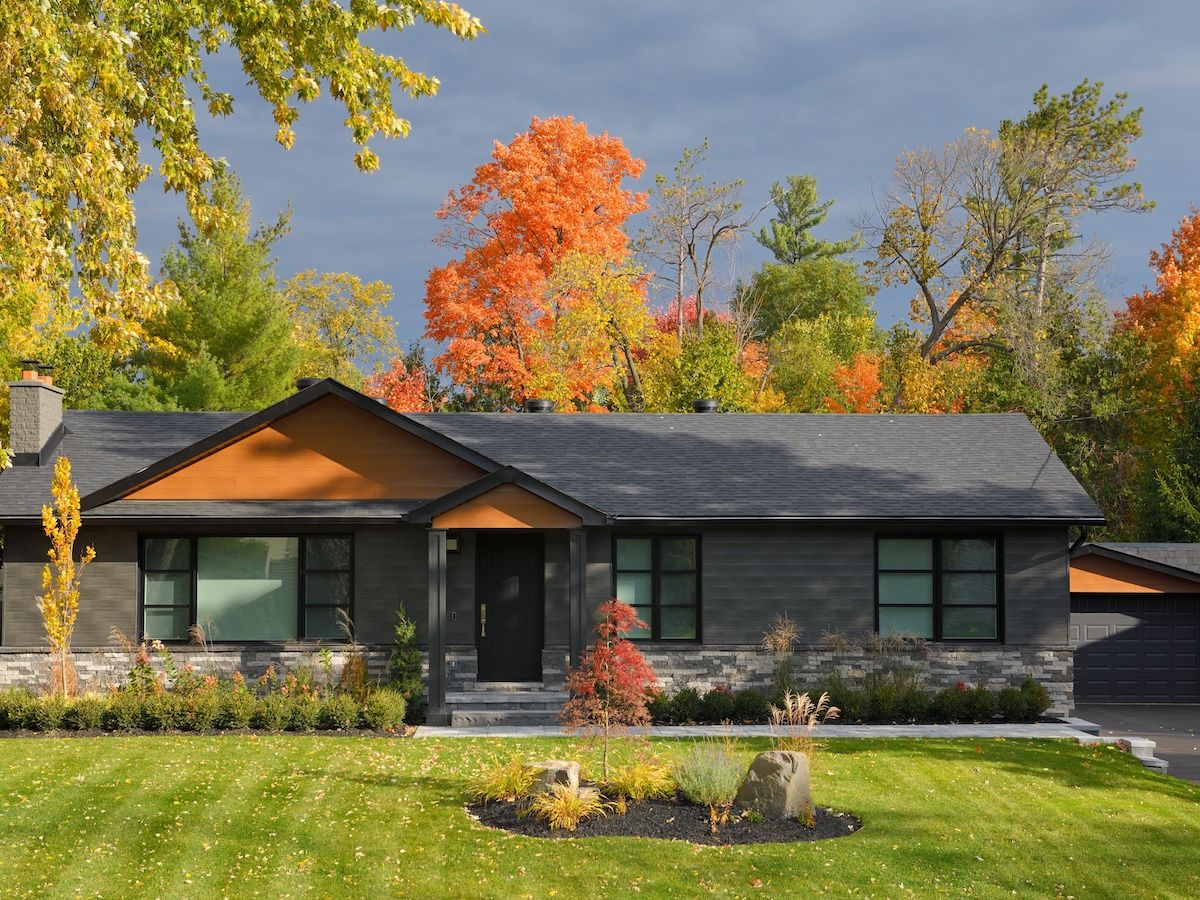
Then there are mid-century homes, which became popular in the 1950s until the early 1970s.
asserted
which → be → 1970s
Then finally, there are century homes, which are homes that are over 100 years old and have extended their life by a long measure.
asserted
that → be → measure
Understanding what type of home you have is the first step to understanding how much you could potentially spend on a renovation.
uncertain
you → understand → renovation
For new homes, the likelihood of your project remaining a cosmetic-only renovation is high as these types of homes usually do not have the same underlying plumbing, structural and electrical conditions as century and mid-century homes.
asserted
types → remain → homes
You will likely spend more of your time and money on the things you can see, rather than the things you cannot see.
asserted
you → spend → things
While unexpected surprises during the renovation process could occur, they are less likely (and usually less costly) with newer homes.
uncertain
they → occur → homes
This, unfortunately, does not remain true for century and mid-century homes.
asserted
This → remain → homes
If you have a mid-century home – which is quite common in the outer suburbs of Toronto – the most concerning areas during renovation will be the wiring, insulation and mostly-brick construction.
asserted
areas → have → renovation
This means that if any structural work is undertaken, a contractor will be removing walls and dealing with potential hidden costs behind the walls.
asserted
contractor → mean → walls
This is similar to century homes, as any structure over 100 years old may need substantial work to bring it up to date.
uncertain
structure → need → date
Century homes can have sagging floors or walls, electrical or water issues and structural problems.
asserted
homes → have → floors
Previous work undertaken on century homes can also pose challenges if the work was not done correctly or has become outdated.
asserted
work → undertake → challenges
A century home is typically not a candidate for a cosmetic-only renovation as they usually require more significant upgrades than a mid-century or newer home.
asserted
they → require → home
Renovation projects on century homes can become the most costly for homeowners given the homes age and underlying structure.
asserted
projects → become → age
If you are in the early stages of planning your renovation, here are a few considerations and key questions to ask yourself to help make your renovation a success.
asserted
renovation → plan → yourself
Firstly, understand what you are trying to achieve and if those aspirations align with the ultimate goal of your home.
asserted
aspirations → understand → home
For example, how do you see your home?
asserted
you → see → home
Will you be retiring in this home or staying in this space for a few years before moving on?
asserted
you → retire → years
Determining the answers to these questions will help you understand how much time (and money) to invest in your home renovation.
asserted
you → determine → renovation
Before undertaking a renovation, ask yourself, how will this project improve my quality of life on a daily basis?
asserted
project → undertake → basis
What is the emotional reward, not just financial reward, of completing this renovation?
asserted
reward → complete → renovation
Understanding how this renovation will improve your daily life will help guide you through the process.
asserted
renovation → understand → process
Finally, I strongly suggest homeowners speak to a professional renovator if you are contemplating a renovation to your home.
asserted
you → suggest → home
Appropriate planning ahead of time and early consultation with a professional could help save you time and money down the line.
uncertain
planning → help → line
Stay tuned as BILD will be launching a series of informative videos to help home owners budget for different types of renovations across the three broad housing types common in the GTA.
asserted
owners → stay → GTA
 The Aporia