The Aporia
The Associated Press. (2026, October 29). UN reports a sharp rise in Afghanistan poppy cultivation despite a Taliban ban. Toronto Star. https://www.thestar.com/news/world/asia/un-reports-a-sharp-rise-in-afghanistan-poppy-cultivation-despite-a-taliban-ban/article_db9b4e0b-de19-5c87-99d7-53c682153ad4.html
The Associated Press. “UN reports a sharp rise in Afghanistan poppy cultivation despite a Taliban ban.” Toronto Star, 29 Oct. 2026, https://www.thestar.com/news/world/asia/un-reports-a-sharp-rise-in-afghanistan-poppy-cultivation-despite-a-taliban-ban/article_db9b4e0b-de19-5c87-99d7-53c682153ad4.html.
The Associated Press. “UN reports a sharp rise in Afghanistan poppy cultivation despite a Taliban ban.” Toronto Star, October 29, 2026. https://www.thestar.com/news/world/asia/un-reports-a-sharp-rise-in-afghanistan-poppy-cultivation-despite-a-taliban-ban/article_db9b4e0b-de19-5c87-99d7-53c682153ad4.html.
Dated from the outlet's own feed. Check the original for its byline.
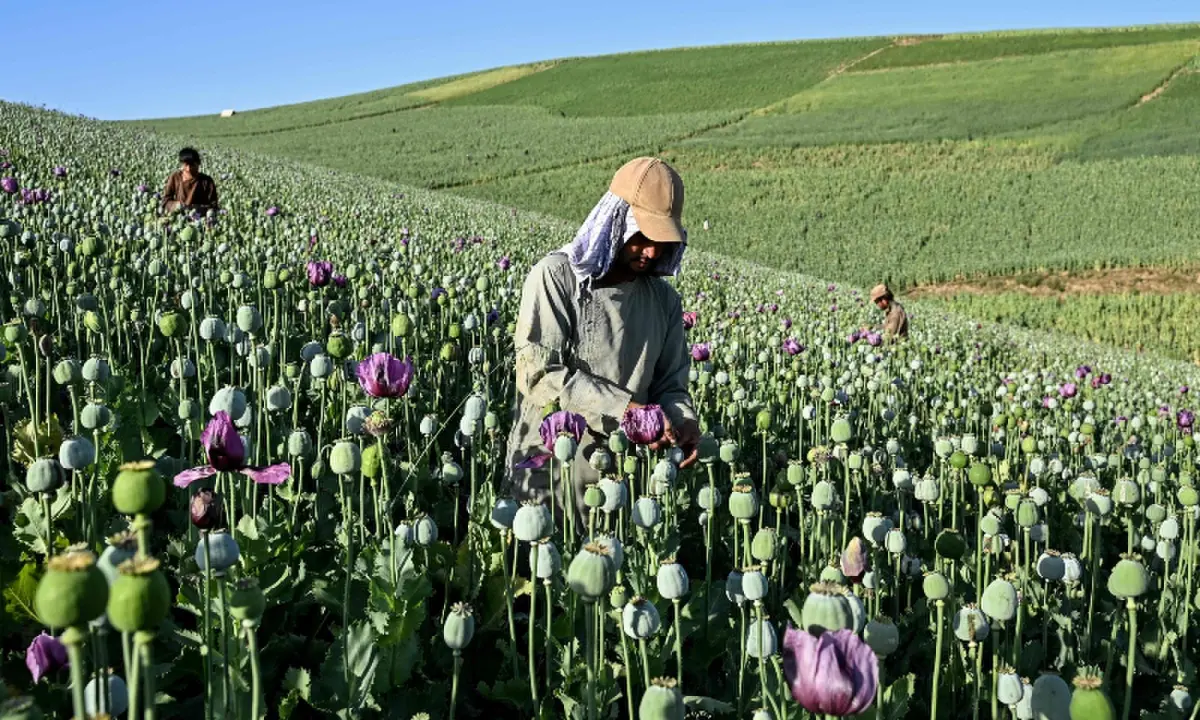
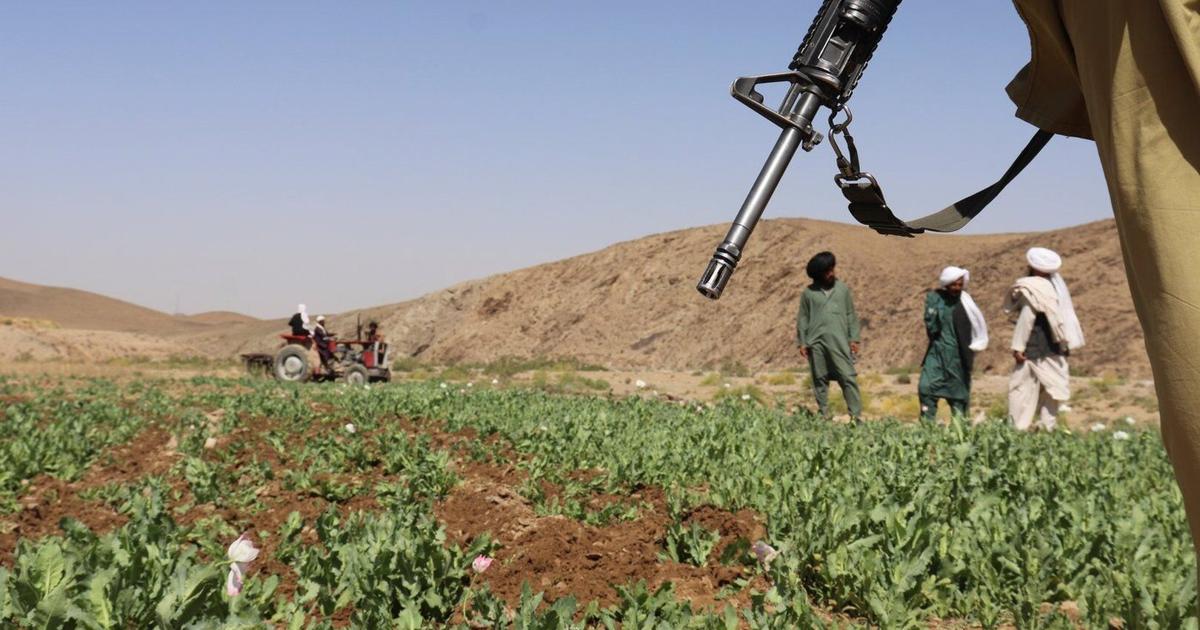
Opium poppy cultivation in Afghanistan surged more than fourfold in 2026, reaching 43,000 hectares (around 106,200 acres) and estimated opium production jumped fivefold from 300 tonnes to 1,500 tonnes, despite a ban imposed by the Taliban government. The United Nations Office on Drugs and Crime (UNODC) reported this significant increase as the first major uptick since the Taliban's 2022 prohibition. Cultivated areas had previously dropped drastically from over 200,000 hectares to just 10,000 hectares in 2025 due to the ban. However, rampant poverty has driven farmers back into opium cultivation; for instance, a 22-year-old farmer named Mohammad said, "Without opium, we cannot even afford basic food." UNODC noted that many poppy plots were hidden among cereal crops or behind walls, making them difficult to detect, while the Taliban claims to have destroyed over 22,000 hectares.