Ahead of midterms, Missourians defend transgender healthcare
CREVE COEUR, Mo. — Reneé Luckfield tries not to knock like a cop.
asserted
Luckfield → defend → cop
In fact, the 29-year-old spends a lot of time thinking about how to make strangers comfortable when she shows up at their door to talk about transgender healthcare.
asserted
she → spend → healthcare
A syncopated "tap — tap-tap-tap" sounds friendly even when she knocks loudly.
asserted
she → sound → ?
In each encounter, she masks her own unease.
asserted
she → mask → unease
"Honestly, it's not something that I'm entirely comfortable with," Luckfield, a transgender woman, said while walking door to door in this affluent St. Louis suburb.
asserted
Luckfield → say → suburb
"And it's not fair that we have to do this work."
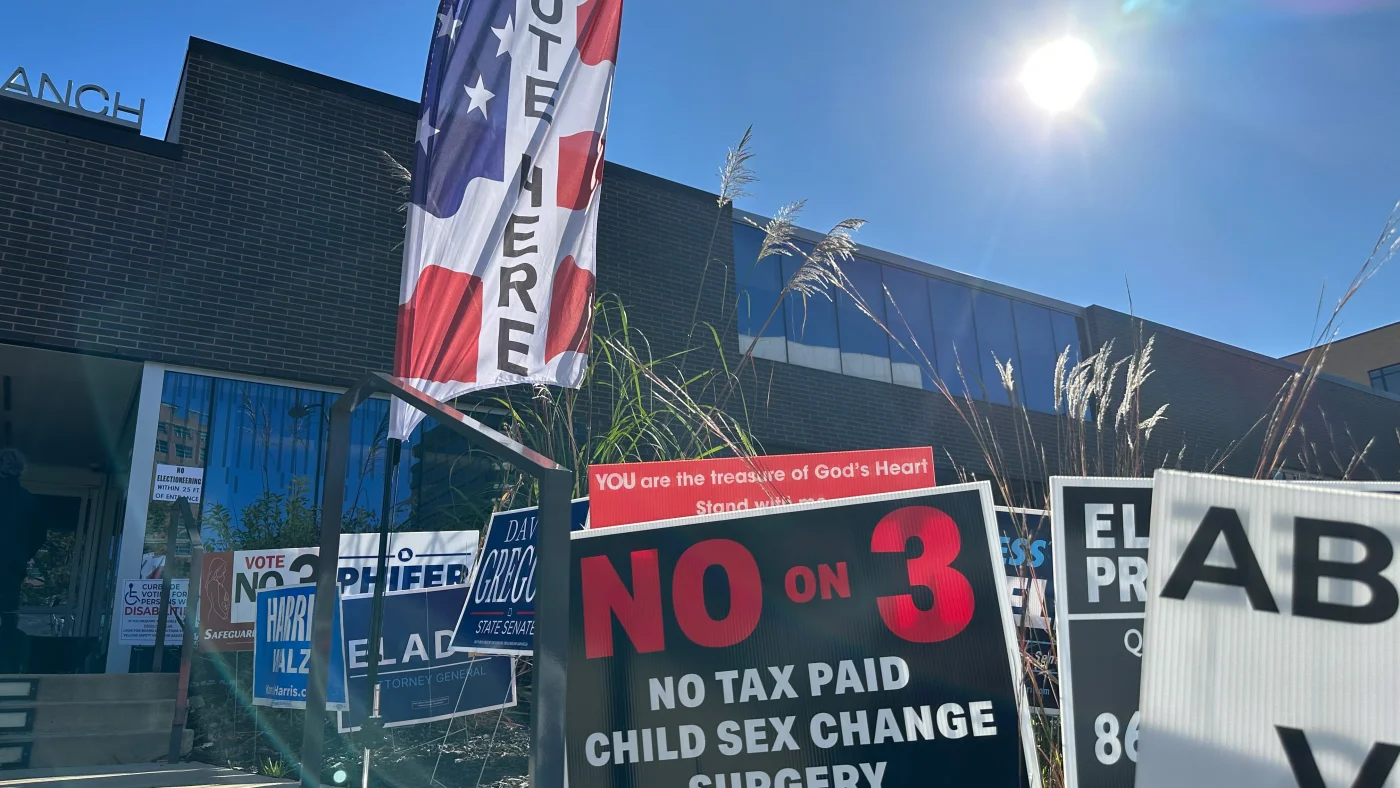
Transgender issues have become a major theme in this year's midterm elections, especially in Missouri, where voters are weighing a proposed constitutional amendment to bar minors from gender-transition surgery, cross-sex hormone therapy and puberty blockers.
asserted
voters → have → surgery
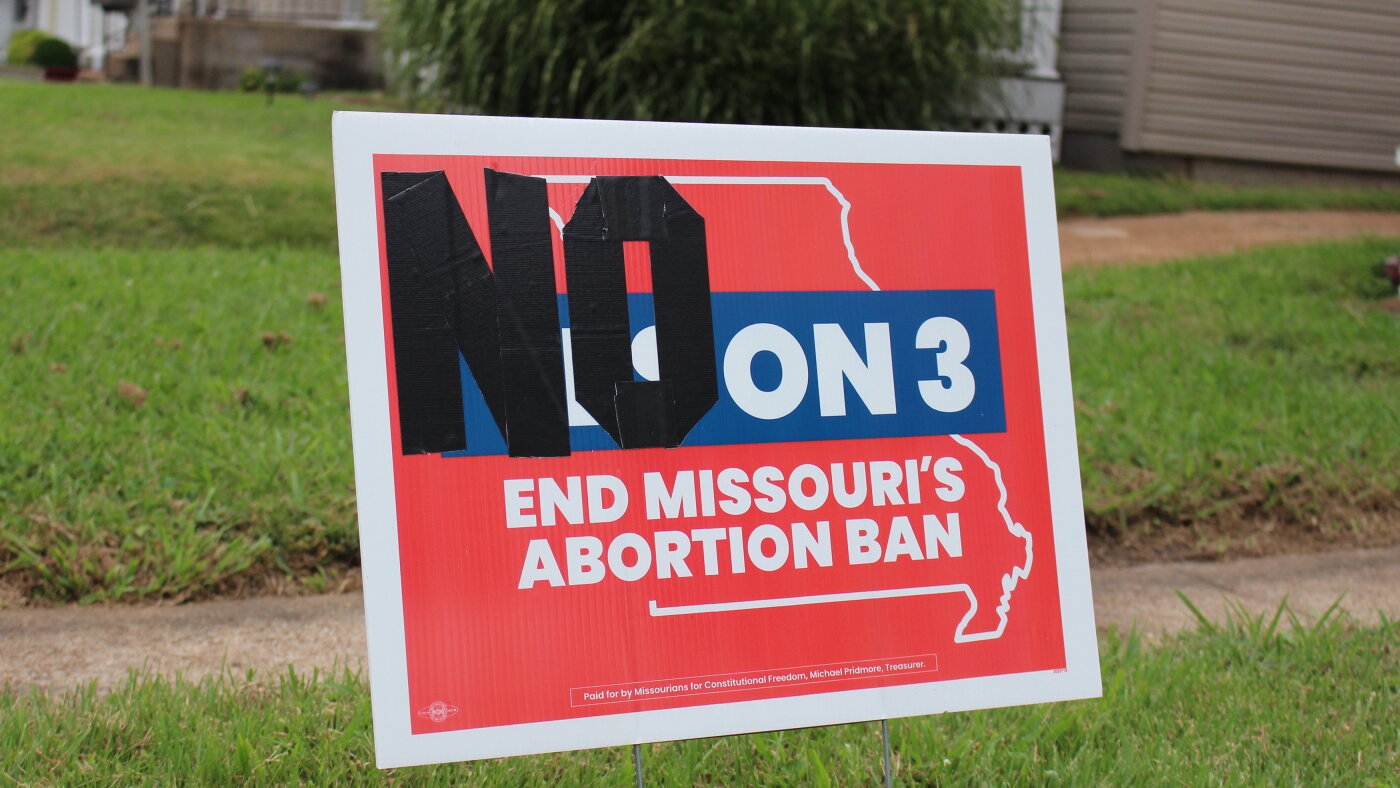
The potential ban is part of a proposed amendment to reinstate a near-total ban on abortion in the state.
asserted
ban → propose → state
Voters in four other states will also decide on transgender issues this year: a proposed ban on transgender health care for minors in Colorado, and proposed restrictions on transgender athletes in youth sports in Arizona, Colorado, Nebraska and Washington.
asserted
Voters → decide → Arizona
Luckfield is part of an effort by the LGBTQ+ advocacy organization PROMO Missouri to defeat the Missouri measure by knocking on 100,000 doors across five of the state's largest metro areas before the election — an ambitious target the group is trying to reach with a mixture of full-time canvassers like Luckfield, the St. Louis lead, and volunteers who show up on weekends.
asserted
who → defeat → weekends
About one out of every 10 knocks turns into a conversation, and they're aiming to have 10,000 conversations before Election Day.
asserted
they → turn → Day
The group celebrated reaching 6,000 in early October, but the process is slow going, intentionally, as canvassers aim for open-ended, "transformative" conversations with potential voters.
asserted
canvassers → celebrate → voters
The technique, "deep canvassing," has a history of changing people's perspectives on difficult political topics, including a 2012 campaign that overturned a gay marriage ban in Maine and a 2021 campaign for police reform in Minnesota that, while defeated, triggered new debate.
asserted
that → have → debate
Now, organizers in Missouri hope it can help stave off the latest effort in the state to permanently ban gender-affirming care for minors.
asserted
it → hope → minors
In 2023, Missouri's Republican-dominated legislature permanently blocked minors' access to gender-affirming surgeries and temporarily blocked their access to new prescriptions for puberty blockers and cross-sex hormones for four years.
asserted
legislature → dominate → years
The state is one of 27 that enacted restrictions on gender-affirming care for minors in the past five years.
asserted
that → enact → years
The deep canvass in Missouri began in 2024, as transgender healthcare was becoming a focal point of state and national elections.
asserted
healthcare → begin → elections
President Donald Trump's campaign, and pro-Trump groups, spent millions of dollars that year attacking Democratic presidential nominee Kamala Harris over transgender issues, such as one declaring, "Kamala is for they/them.
asserted
Kamala → spend → them
And in Missouri that year, an amendment to add abortion protections to the state's constitution passed by fewer than 100,000 votes.
asserted
amendment → add → votes
Opponents argued the measure would also enable the state's ban on gender-affirming care for minors to be overturned.
asserted
ban → argue → minors
"NO TAX PAID CHILD SEX CHANGE SURGERY" read a sign opposing the amendment.
asserted
sign → pay → amendment
This year's amendment to reinstate the state's abortion ban and codify the ban on trans healthcare for minors is polling neck and neck, with 43% supportive of the bans, 44% opposed, and 13% undecided, against a margin of error of 4.09%.
asserted
% → reinstate → %
This most recent poll doesn't ask separately about abortion and gender-affirming care, but polling from February showed stronger support for abortion access.
asserted
polling → ask → access
The deep canvassers are trying to reach voters who are against banning abortion but are more ambivalent on trans issues.
asserted
who → try → issues
That means not spending too much time talking to people who are already very opposed or very supportive of the proposed bans.
asserted
who → mean → bans
To discern people's views, canvassers are trained to ask the person they're speaking with to place themselves on a scale from 0 to 10, with 0 being totally opposed to banning abortion and 10 being totally in favor of it.
asserted
10 → discern → it
Then they ask the person to use the same scale to rate their feeling toward banning "gender-transition procedures for trans minors" — language similar to what voters will see on the ballot.
asserted
voters → ask → ballot
After each of those questions, canvassers ask why the number the person chose is right for them.
asserted
person → ask → them
On an overcast Saturday morning in late September, with Missouri's summer heat seemingly broken at last, the sounds of lawnmowers and leaf blowers filled the air as Luckfield began knocking doors in a neighborhood 20 miles west of the Gateway Arch.
asserted
Luckfield → break → Arch
The first person who opened their door was a 10/10 in canvasser shorthand — in favor of banning abortion because of her Christian faith and in favor of banning gender-transition procedures for minors because she doesn't think children are equipped to make those decisions and doesn't think parents should either.
asserted
parents → open → decisions
"I hear you," Luckfield replied.
asserted
Luckfield → hear → you
"That's everything I need from you today.
asserted
I → need → you
The exchange wasn't unusual, Luckfield said.
asserted
Luckfield → say → ?
Neither was a conversation she had later that morning with Carol Parsons, who said she was opposed to banning both abortion and gender-transition procedures for minors — a 0/0.
asserted
she → have → 0/0
Luckfield acknowledged Parsons' support and asked if she had any questions about the process kids go through to get care.
asserted
kids → acknowledge → care
"I do feel that they need to be old enough to realize that that is life-changing," Parsons said.
asserted
Parsons → feel → ?
Surgery is the thing she's not sure about, she said.
asserted
she → say → ?
"It is tricky, and it is scary to think of that happening for young kids," Luckfield acknowledged.
asserted
Luckfield → think → kids
"The phrase 'transgender procedures' — that's, I think, very deliberately chosen language to stoke that fear of surgeries in particular."
asserted
I → think → surgeries
Gender-affirming surgeries for minors are rare.
asserted
surgeries → affirm → minors
One study of 2019 insurance claims for nearly 23 million children found surgeries were performed at a rate of 2.1 per 100,000 for those ages 15-17, 0.1 for those 13-14, and none for those 12 and younger.
uncertain
surgeries → find → 12
…and 15 more, not listed.
 The Aporia