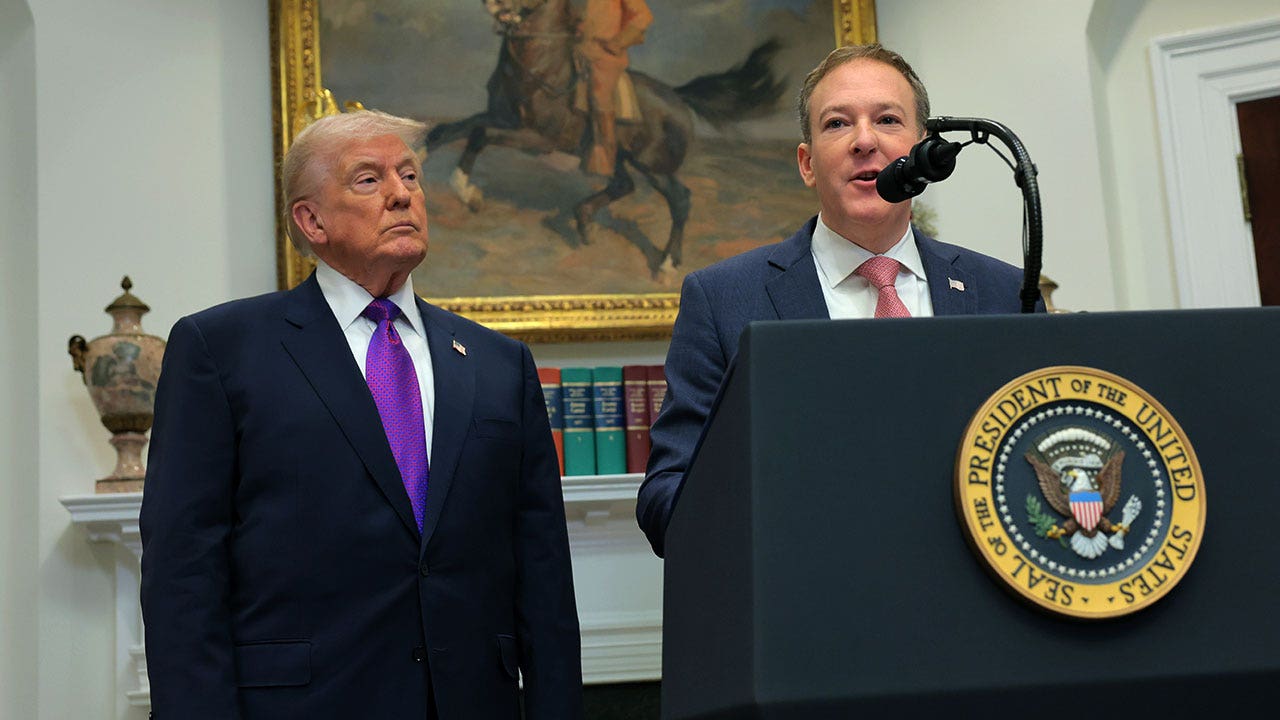
John Healey has unveiled a package of support for households being buffeted by “global economic storms”.
asserted
Healey → unveil → storms
“I’m setting a new course to get energy costs down in line with Europe,” the chancellor said in his maiden budget.
asserted
chancellor → set → budget
In the long term, he hopes that changes in how Britain covers the cost of renewables and grid upgrades will “drive down all aspects of energy bills”.
asserted
Britain → hop → bills
British households face some of the highest energy charges for three years, with the war in the Middle East driving up oil and gas prices.
asserted
war → face → prices
Under the government’s price cap, average dual-fuel bills are £1,700 a year and could rise to more than £2,100 a year from January, according to industry forecasts .
uncertain
bills → rise → forecasts
So what has the chancellor offered hard-pressed households to help them through the coldest months of the year?
asserted
chancellor → offer → year
And will it be enough to lower gas and electricity bills?
asserted
it → lower → bills
The government’s biggest bet on offering “breathing space” to struggling households this winter is a one-off payment of £100 in January for 20m households in council tax bands A to D.
asserted
bet → offer → D.
It is also the measure most likely to deliver real benefit for those in need.
asserted
It → deliver → need
The £2.6bn “household energy payment” will go directly into bank accounts to “take the pressure off in the coldest months and see people through to the spring”, according to Healey.
uncertain
payment → go → Healey
Martin Lewis, the founder of MoneySavingExpert.com, said households could face a 25% cost increase from January and shouldn’t expect to feel better off than they do today.
uncertain
they → say → January
Officials are anxious to avoid handing public money to those who can get by without it but they lack household income data to target proposed support.
asserted
they → avoid → support
Using council tax bands is “the least worst proxy”, Lewis said.
asserted
Lewis → use → bands
The payment will be in addition to the Warm Home Discount, which offers about 6m means-tested households in England, Wales and Scotland £150 off winter fuel bills.
asserted
which → offer → bills
A chart showing how poor households could miss out on the £100 energy payment An end to gas standing charges
uncertain
households → show → charges
This measure will offer a modest saving for most British households – but not all, and perhaps not until next winter.
asserted
measure → offer → winter
Healey promised to end “unfair and outdated” standing charges on gas bills for 23m homes “in 2027 or as soon as possible after”.
asserted
Healey → promise → 2027
This could help almost two-thirds of households to save an average of £45 a year.
uncertain
thirds → help → 45
A standing charge is a fixed daily fee paid through all household gas bills, regardless of how much is used.
asserted
much → stand → bills
It means homes that severely ration their gas use – or use none at all – still shoulder the same cost as a high-income household.
asserted
that → mean → household
The charge typically adds about £100 a year to bills and the change means these costs will soon be recovered through a higher unit price for gas.
asserted
costs → add → gas
For those with below-average gas use, bills should fall.
asserted
bills → fall → use
Jonny Marshall, an economist at the Resolution Foundation, said households with high gas use might have higher bills when the unit rate increases.
uncertain
rate → say → bills
These could include low-income households who have bigger families or poorly insulated homes.
uncertain
who → include → families
A home using 7,000 kilowatt hours of gas a year would save about £40 under the change, but a household using 14,000 kWh of gas a year could be £25 worse off, according to Richard Neudegg, a director at Uswitch.com.
uncertain
household → use → Uswitch.com
A household using the typical 11,500 kWh shouldn’t see any change, he added.
asserted
he → use → change
Removing standing charges from gas bills will help two-thirds of households save an average of £45 a year.
asserted
thirds → remove → 45
The government has already begun taking aim at taxes and policy costs loaded on to electricity bills that could over time mean removing hundreds of pounds from bills.
uncertain
that → begin → bills
This month, it removed the 5% VAT levy on electricity bills for 29m households, effectively saving them about £45 a year.
asserted
it → remove → 45
This was supposed to help households through the coldest months of the year, until March.
asserted
This → suppose → March
But Healey has promised to keep VAT off bills until July, extending the annual savings to £50 a year, according to the Treasury.
uncertain
Healey → promise → Treasury
The move follows a string of cuts to electricity levies over the past year which have shaved about £150 a year off costs.
asserted
which → follow → costs
“For many years, under Conservative governments, policy costs were simply loaded on to household bills through levies,” Healey said.
asserted
Healey → load → levies
“Today, I am putting an end to that.
asserted
I → put → that
We’ll introduce a new cost control framework to drive down all aspects of energy bills.”
asserted
We → introduce → bills
Healey confirmed he would consider steps to remove standing charges on electricity too, which add about £200 a year to the average bill.
asserted
which → confirm → bill
The savings from this measure remain unclear, depending on which costs would move into general taxation and which would be covered through the unit price for electricity.
uncertain
which → remain → electricity
Healey will continue to alter a subsidy scheme for the UK’s oldest renewable energy projects, around three-quarters of which has been removed from bills and covered by general taxation.
asserted
quarters → continue → taxation
The research charity Nesta said this would lower electricity costs by £42 a year.
asserted
this → say → 42
Healey has scrapped plans for a levy to support hydrogen projects that would otherwise have added £2.60 to £4.50 a year to the average dual-fuel bill.
asserted
that → scrap → bill
…and 12 more, not listed.
 The Aporia