The Aporia

Jones, T. (2026, October 28). Charles shakes maracas and joins dancers in carnival parade. Evening Standard. https://www.standard.co.uk/news/uk/charles-king-bahamas-caribbean-parliament-b1302724.html
Jones, Tony. “Charles shakes maracas and joins dancers in carnival parade.” Evening Standard, 28 Oct. 2026, https://www.standard.co.uk/news/uk/charles-king-bahamas-caribbean-parliament-b1302724.html.
Jones, Tony. “Charles shakes maracas and joins dancers in carnival parade.” Evening Standard, October 28, 2026. https://www.standard.co.uk/news/uk/charles-king-bahamas-caribbean-parliament-b1302724.html.
Dated from the outlet's own feed. Check the original for its byline.
King Charles III's nine-day tour of the Caribbean has been marked by both cultural celebrations and serious discussions about historical injustices. His visit to the Bahamas began on Tuesday with an acknowledgment of the "great suffering of the past" due to slavery, setting the tone for his trip which includes stops in Guyana and Antigua.
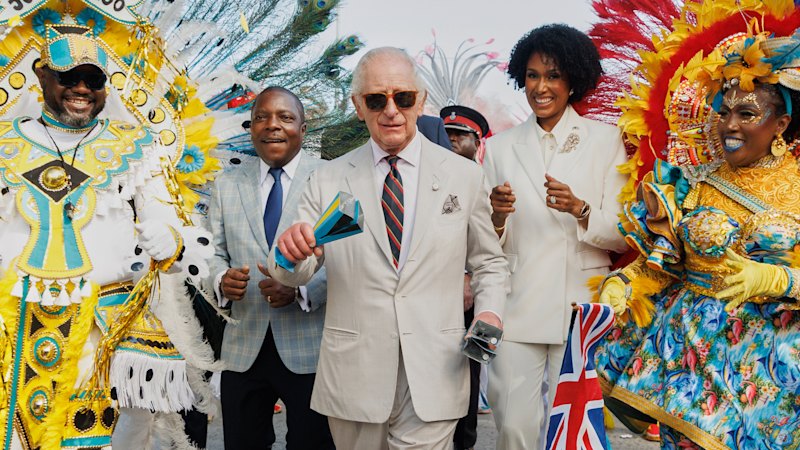
In Nassau, Charles participated fully in local traditions by joining a Junkanoo parade, showing respect and enthusiasm towards Bahamian culture. The King also laid a wreath at the Flamingo Monument honoring members of the Royal Bahamas Defence Force who have fallen in service to their country.
The visit to Guyana followed on October 29th where he was formally welcomed by President Mohamed Irfaan Ali, High Commissioner Joseph Fisher and Foreign Secretary Ed Miliband. The King engaged in discussions with the president and attended a state reception at State House, continuing the dialogue around Britain's role in selling enslaved people for profit and calls for reparations.
While Charles has acknowledged historical wrongs and confirmed that these issues will be discussed at the Commonwealth Heads of Government Meeting (CHOGM) next week in Antigua and Barbuda, activists have pushed for more concrete actions from Britain regarding apologies and financial compensation. During his time in Nassau, protesters held placards calling for reparations.
The King’s visit aims to strengthen ties between Britain and these Caribbean nations while addressing the lingering impacts of colonial-era policies that deeply affected local populations. This tour is seen as an opportunity to foster mutual understanding and cooperation moving forward.
In summary, Charles' trip demonstrates a balance between diplomatic protocol, cultural engagement, and facing historical responsibilities. As CHOGM approaches, discussions about reparations for slavery are expected to play a significant role in the summit agenda.
renewed calls from island nations for Britain to apologise for its role in selling enslaved people for profit and for reparations