The US Federal Reserve is expected to leave interest rates unchanged on Wednesday during its last rate-setting meeting before the midterm elections, keeping rates at one of the highest pre-election levels seen in over 20 years.
asserted
Reserve → expect → years
Last month, Fed officials raised rates for the first time since 2023, citing rising inflation.
asserted
officials → raise → inflation
Inflation has hovered for years above the Fed’s target rate of 2%, and for most of this year, the annualized inflation rate has remained above 3%.
asserted
rate → hover → %
The move infuriated Donald Trump, who said that “interest rates in the United States should be 1% or less”.
asserted
rates → infuriate → States
Though inflation rose higher in September, going from 3.4% in August to 3.7%, a pause would signal the central bank is taking a wait-and-see approach ahead of the midterms next week.
asserted
bank → rise → midterms
Interest rates determine the cost of interest for loans, including for credit cards, mortgage and some savings accounts.
asserted
rates → determine → cards
During times of high inflation, raising rates can slow price increases.
asserted
raising → raise → increases
Multiple Fed leaders have suggested in recent weeks that the central bank has room for a pause, even if most Fed economists are predicting one more rate hike before the end of the year.
“The hikes do not need to come at consecutive meetings, but they should be in place in an acceptable period of time,” Fed governor Christopher Waller said earlier this month.
uncertain
Waller → suggest → time
The proximity of the election also makes it more likely that the Fed will “not take any radical action,” said Nicholas Economides, a professor of economics at the NYU Stern Business School.
asserted
Economides → make → School
“Even if the Fed were to do something radically different, the economy would not have time to adjust before the elections,” he said.
asserted
he → do → elections
Rising prices this year have largely been driven by war in the Middle East with Iran.
asserted
prices → rise → Iran
Oil prices have soared with the closure of the strait of Hormuz, a crucial passageway for trade.
asserted
prices → soar → trade
Inflation rose last month to its highest level since the spring, while oil traded briefly above $117 a barrel earlier this week, its highest price in more than six months.
asserted
oil → rise → months
The higher cost of living is expected to play a crucial role in the upcoming midterm elections that will determine which party will control Congress.
asserted
party → expect → Congress
Across multiple polls, the economy has been cited as the top issue for voters.
asserted
economy → cite → voters
By itself, hiking interest rates cannot solely address inflation caused by supply shocks, Economides said.
asserted
Economides → hike → shocks
Raising rates is helpful for when the economy is too hot, or when demand outpaces supply, but can be counterproductive otherwise.
asserted
demand → raise → supply
“If inflation is caused by supply factors, it doesn’t make sense to try to cure it by increasing interest rates because it won’t work,” he said.
asserted
he → cause → rates
“It will slow down the economy at a time in which you don’t want it to slow down.”
asserted
it → slow → which
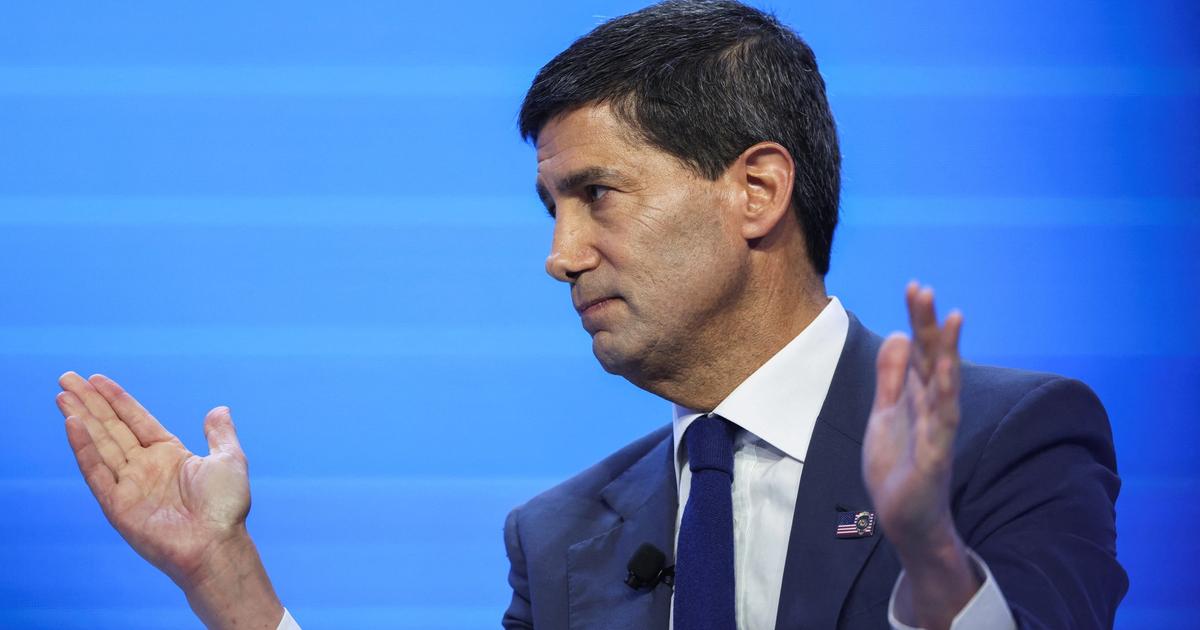
Fed chair Kevin Warsh has suggested, however, that present-day inflation has persisted beyond the war, and the central bank’s decision to raise rates was to prevent prices from creeping up further.
uncertain
decision → suggest → prices
“We cannot affect any individual price, whether it be oil prices, whether it be foodstuffs at the grocery store,” Warsh said at the Fed’s September meeting.
asserted
Warsh → affect → meeting
“But what we can do, and will do, is ensure that any change in relative prices don’t broaden out, don’t have second and third-order effects on the economy.
asserted
change → do → economy
That’s what we’re tasked to do, and that’s what we will do.”
asserted
we → ’ → what
 The Aporia