Attorney General Todd Blanche has long maintained that the so-called Epstein files, even those kept from the public, contain no secret information related to national security.
asserted
files → maintain → security
When the document releases began last winter, Blanche noted that the Epstein Files Transparency Act authorized withholding information in the interest of national security or foreign policy, but said, "no files are being withheld or redacted on that basis.
asserted
files → begin → basis
"
"There's not some tranche of super-secret documents about Jeffrey Epstein that we're withholding, we're actually not withholding anything based upon [national defense information]," said Blanche, who was deputy attorney general at the time.
asserted
who → be → time
But the contents of at least three documents in the massive tranche of files indicate classified information was included in files collected by the DOJ.
asserted
information → indicate → DOJ
One of the documents shows Blanche's Office of the Deputy Attorney General itself received classified material related to Epstein in March 2025.
asserted
Office → show → March
By law, material can only be classified for national security purposes.
asserted
material → classify → purposes
What exactly was classified and why remains a mystery.
asserted
classified → classify → ?
The Department of Justice says it collected 6 million pages of material and ultimately
of those pages after reviewing for duplication, attorney-client privilege and relevance to Jeffrey Epstein.
asserted
it → say → Epstein
Congressional challenges and a lawsuit are casting doubts on the and demanding the release of that were held back.
asserted
that → cast → release
Clues about classified material
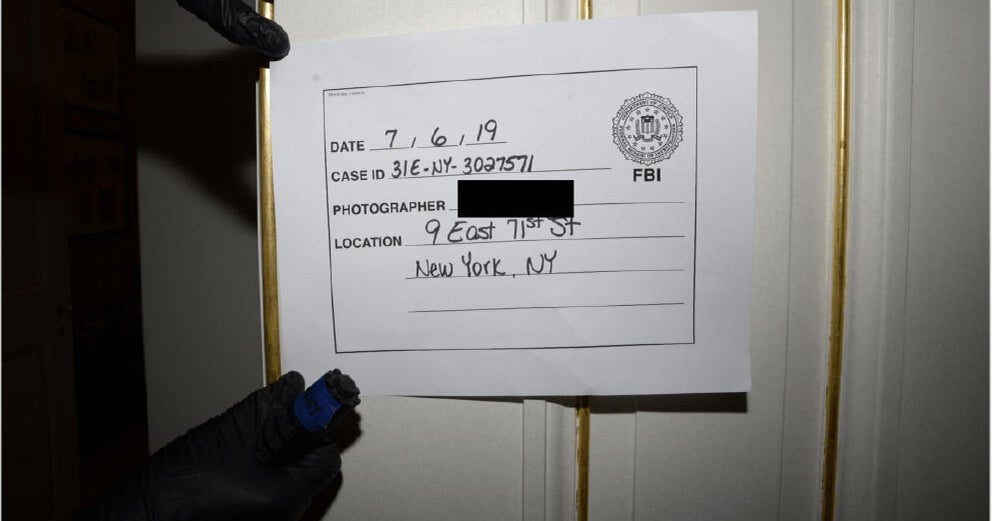
Included among the Epstein files is an eight-page timeline of the FBI's New York office's initial efforts last year to track down and deliver its voluminous files to the Justice Department's Washington headquarters.
asserted
timeline → include → headquarters
On March 25, 2025, one document shows delivery of "16 Epstein items to ODAG," referring to the Office of the Deputy Attorney General.
asserted
document → show → General
Among them, items No. 2 and No. 6 are described as "Epstein Transparency Project - Classified Material" and "CDs with classified materials (x2).
asserted
. → describe → materials
The Epstein Transparency Project refers to the Justice Department's effort to review the files and
, withhold or clear them for release.
asserted
Project → refer → release
It is not clear what exactly was identified as classified.
asserted
what → identify → ?
Each CD was likely capable of holding hundreds of megabytes of material.
asserted
CD → hold → material
Also in the files is an email sent that same day from the unit chief of the National Security Classification Operations Unit — an office whose role is to review FBI documents for classification or declassification.
asserted
role → send → classification
The email includes an attachment labeled "Epstein - Classified Document Memo.docx."
asserted
email → include → attachment
The body of the email says there were three documents "identified that remain classified."
asserted
that → say → email
One was described as an "FBI document which is classified when see-through."
asserted
which → describe → document
A redaction obscures the unit chief's description of the other two documents.
asserted
redaction → obscure → documents
The identity of the email's recipient is also redacted.
asserted
identity → redact → recipient
It's also not clear whether the two documents — the email and the list — are referring to the same classified material.
asserted
documents → refer → material
Coding system reveals missing pages
asserted
system → reveal → pages
A CBS News analysis of a numerical coding system used by the DOJ to organize the Epstein files offers clues about some of the documents the department has withheld.
asserted
department → use → documents
The codes don't reveal what's missing, but they do show where gaps exist, raising questions about the DOJ's explanation for why documents were withheld.
asserted
documents → reveal → explanation
Among the missing documents are pages from Epstein's own financial records collected as evidence in a federal prosecution.
asserted
pages → miss → prosecution
Here's how it works: Documents from the Epstein files are labeled with a string of numbers beginning with the letters EFTA stamped on the bottom right-hand corner; EFTA stands for Epstein Files Transparency Act.
asserted
EFTA → work → Act
Those are called Bates numbers — a common way of organizing massive document batches in legal cases.
asserted
Those → call → cases
Every page receives its own number.
asserted
page → receive → number
In the Epstein files, the sequence goes from 1 to 2,858,498, which is the tally of approximately how many pages of documents were released.
asserted
pages → go → documents
According to the DOJ, other documents — including court records and investigative files they've previously released — bring the total to over 3 million.
uncertain
they → accord → million
Alongside the Epstein files' Bates numbers are other, older coding numbers that appear on many documents.
asserted
that → cod → documents
This indicates that those documents had previously been used in federal legal cases, potentially collected as part of an earlier subpoena.
asserted
documents → indicate → subpoena
For instance, Bates coding on some of the documents is from the
criminal case and was used to organize files given to Maxwell's legal team ahead of as part of the discovery process.
asserted
coding → use → process
Other Bates numbers indicate documents were collected from Epstein's banks, including JPMorgan and Deutsche Bank, during the FBI's investigation into his trafficking activities.
asserted
documents → indicate → activities
Similar gap analyses have been done in the past by independent researchers.
Missing financial documents
Finding gaps in these documents is a simple process of counting.
asserted
Finding → do → counting
In tens of thousands of instances, the main EFTA number will advance by one but the other Bates numbers advance by two or more.
asserted
numbers → advance → two
Those gaps indicate pages that had been there before were likely removed at some point after the DOJ obtained them.
asserted
DOJ → indicate → them
Take the images below: The EFTA number advances by one but the JPM-SDNY and SDNY_GM numbers advance by 2, as do the page numbers from the original document.
asserted
numbers → take → document
In another example, a series of around 4,500 images of checks from Epstein's accounts has gaps where 66 of those check images should be.
asserted
66 → have → images
…and 35 more, not listed.
 The Aporia