The Aporia
The Straits Times. (2026, October 28). Iran says Sinokor vessels face legal action; South Korean shipowners deny link. The Straits Times. https://www.straitstimes.com/world/middle-east/iran-says-sinokor-vessels-face-legal-action-south-korean-shipowners-deny-link
The Straits Times. “Iran says Sinokor vessels face legal action; South Korean shipowners deny link.” The Straits Times, 28 Oct. 2026, https://www.straitstimes.com/world/middle-east/iran-says-sinokor-vessels-face-legal-action-south-korean-shipowners-deny-link.
The Straits Times. “Iran says Sinokor vessels face legal action; South Korean shipowners deny link.” The Straits Times, October 28, 2026. https://www.straitstimes.com/world/middle-east/iran-says-sinokor-vessels-face-legal-action-south-korean-shipowners-deny-link.
Dated from the outlet's own feed. Check the original for its byline.
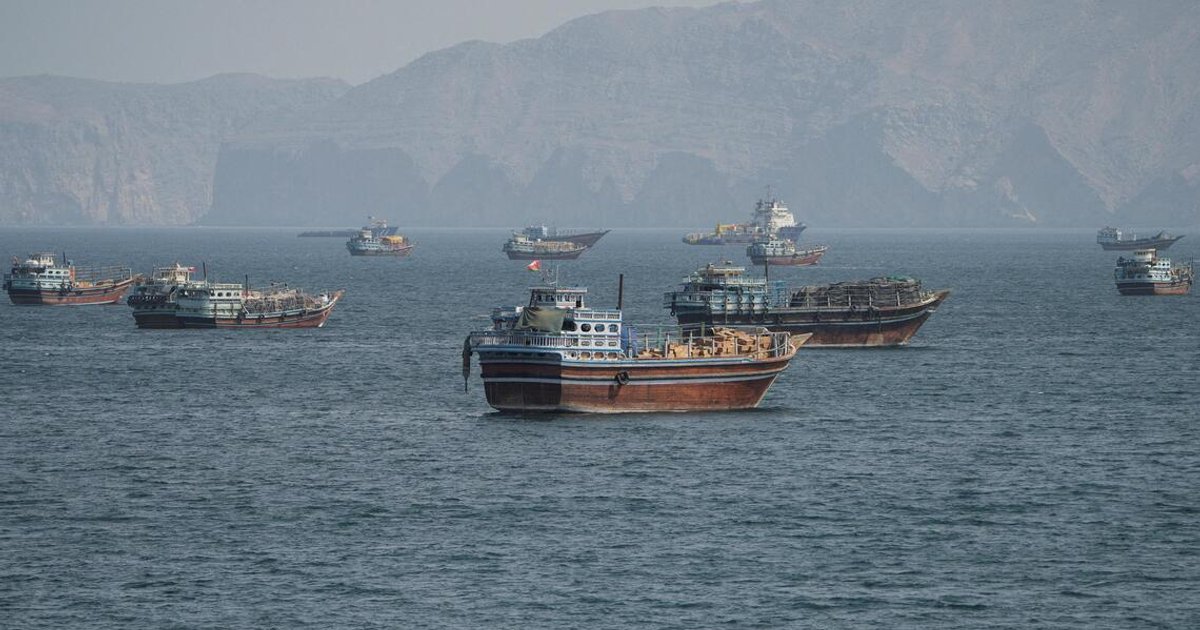
Iran’s Persian Gulf Strait Authority announced on October 27 that all vessels belonging to South Korean shipping company Sinokor would face "legal action" starting November 1, citing numerous crossing violations in the past three months. However, the Korea Shipowners’ Association denied any direct link between Sinokor and these vessels, stating that they were sub-chartered to an overseas oil firm and had no South Korean crew members. This move by Iran comes amid ongoing tensions following US and Israeli air strikes on Iran on February 28, as Tehran seeks leverage over Washington while disrupting oil flows from Arab Gulf producers to Asia through restrictions in the Strait of Hormuz.
Tehran has sought to tighten its grip on the strategic waterway by attacking shipping there since US and Israeli air strikes on Iran on Feb 28.
It has restricted transit to try to gain leverage over Washington, while disrupting oil flows from Arab Gulf oil producers, especially to their customers in Asia.
In response to Iranian attacks, the United States also imposed a naval blockade against ships linked to the Islamic Republic in the strait.