The Aporia
McSweeney, J., & O'Malley, N. (2026, October 28). Urgent biosecurity review after site of fire ant nest only required checking every three years. The Sydney Morning Herald. https://www.smh.com.au/politics/nsw/urgent-biosecurity-review-after-site-of-fire-ant-nest-only-required-checking-every-three-years-20261028-p619ew.html?ref=rss&utm_medium=rss&utm_source=rss_feed
McSweeney, Jessica, and Nick O'Malley. “Urgent biosecurity review after site of fire ant nest only required checking every three years.” The Sydney Morning Herald, 28 Oct. 2026, https://www.smh.com.au/politics/nsw/urgent-biosecurity-review-after-site-of-fire-ant-nest-only-required-checking-every-three-years-20261028-p619ew.html?ref=rss&utm_medium=rss&utm_source=rss_feed.
McSweeney, Jessica, and Nick O'Malley. “Urgent biosecurity review after site of fire ant nest only required checking every three years.” The Sydney Morning Herald, October 28, 2026. https://www.smh.com.au/politics/nsw/urgent-biosecurity-review-after-site-of-fire-ant-nest-only-required-checking-every-three-years-20261028-p619ew.html?ref=rss&utm_medium=rss&utm_source=rss_feed.
Dated from the outlet's own feed. Check the original for its byline.
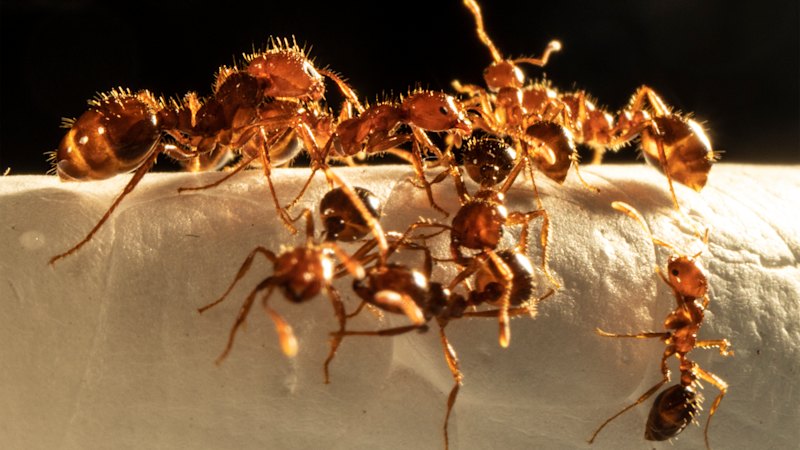
A nationwide review of biosecurity measures has been launched in response to revelations that the site of an established fire ant nest discovered at Sydney’s Enfield Intermodal Logistics Centre was only required to be checked every three years. The public was notified two weeks ago, following the discovery of the ants in September. A control order now covers a two-kilometre radius around the Enfield nest site, requiring businesses that move soil, mulch, turf, potted plants, and heavy equipment to take special precautions before transporting items outside this controlled zone. Invasive Species Council advocacy director Reece Pianta emphasized the need for urgent changes in current biosecurity arrangements, which he believes do not reflect biological reality. Over the past three years, more than 160 ant lures were deployed around Enfield without detecting any fire ants until September, indicating a significant gap in monitoring frequency and effectiveness.