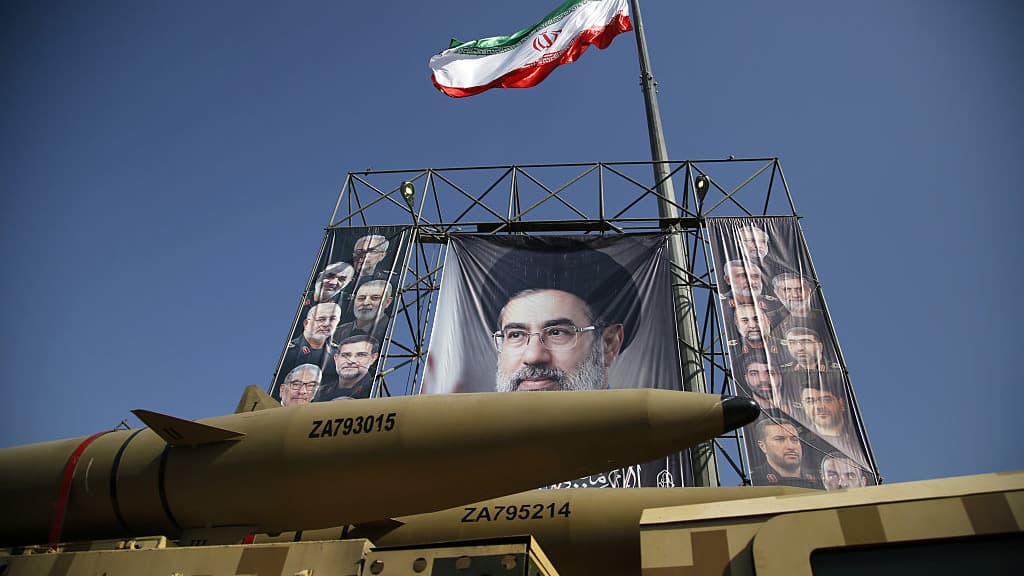
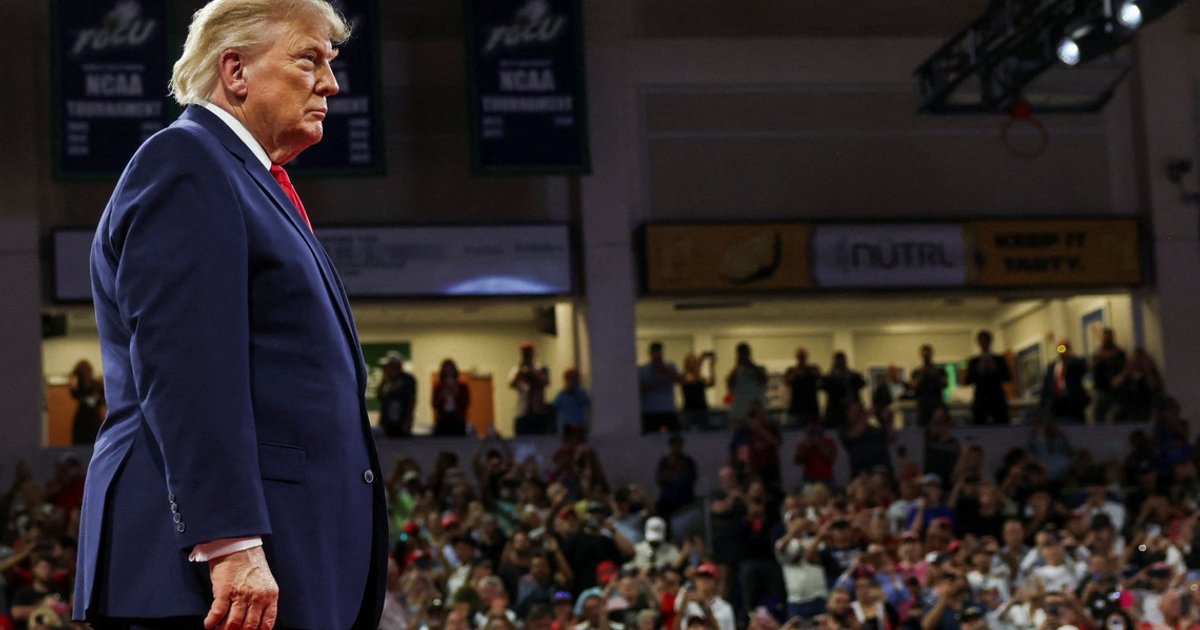
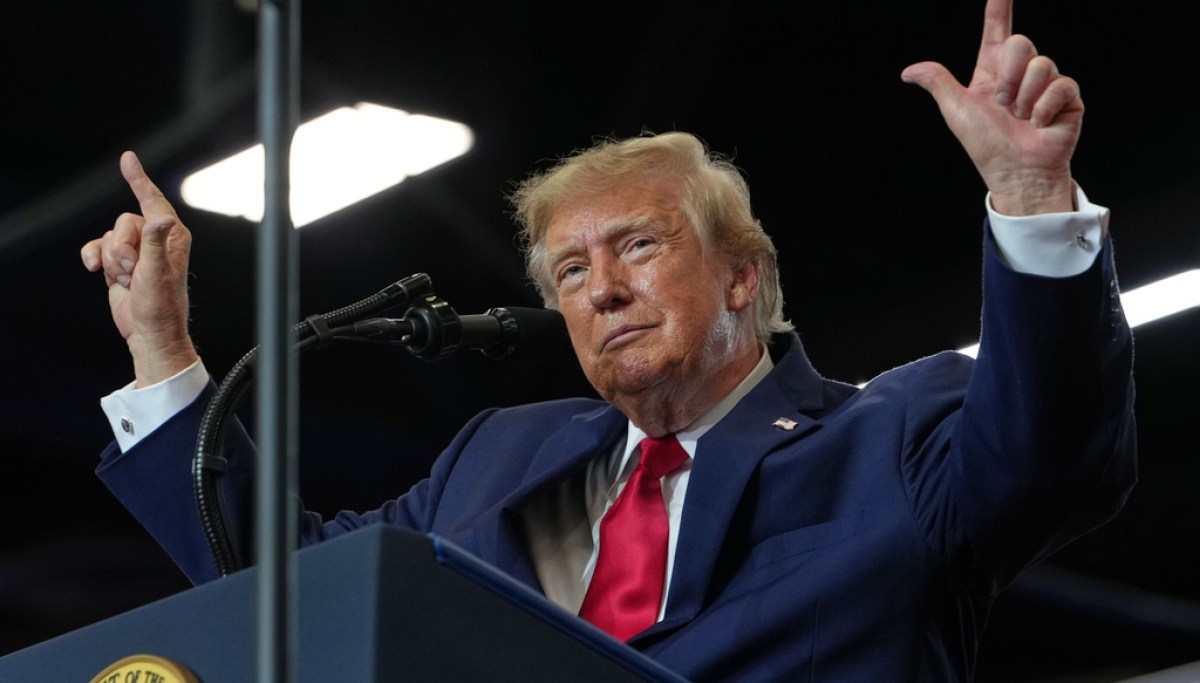
President Donald Trump’s conflict with Iran has become a political liability for his administration.
asserted
conflict → become → administration
Since the last U.S. strikes on Iran fell on Sept. 8, Trump has publicly ruled out attacking Iran before the November midterm elections—and promised to end the conflict after them.
asserted
Trump → fall → them
Then, rumblings grew that U.S. and Israeli military planners had reportedly drawn up new strike options against Iran, including the possible use of the largest non-nuclear weapon in the American arsenal: the GBU-43/B, also dubbed “the Mother of All Bombs”.
uncertain
drawn → grow → Bombs
The targets purportedly would be Iran’s nuclear facilities and energy infrastructure, though there are doubts about whether the bomb could penetrate Iran’s most deeply buried sites.
uncertain
bomb → be → sites
According to these reports, Trump apparently is seeking a strike he could present as a military victory and then end the war without appearing to back down.
uncertain
he → accord → war
But such an approach risks triggering a far wider war than Washington intends.
asserted
Washington → risk → war
Tehran remains unlikely to let Washington end the conflict quickly and, fearing a potential attack from the U.S., could itself strike first.
uncertain
Washington → remain → U.S.
Either scenario could lead to a new round of fighting far more destructive than the last.
uncertain
scenario → lead → last
Before the mother of all bombs
Reports of military plans involving “the mother of all bombs” came against the backdrop of two other worrying developments.
asserted
Reports → involve → developments
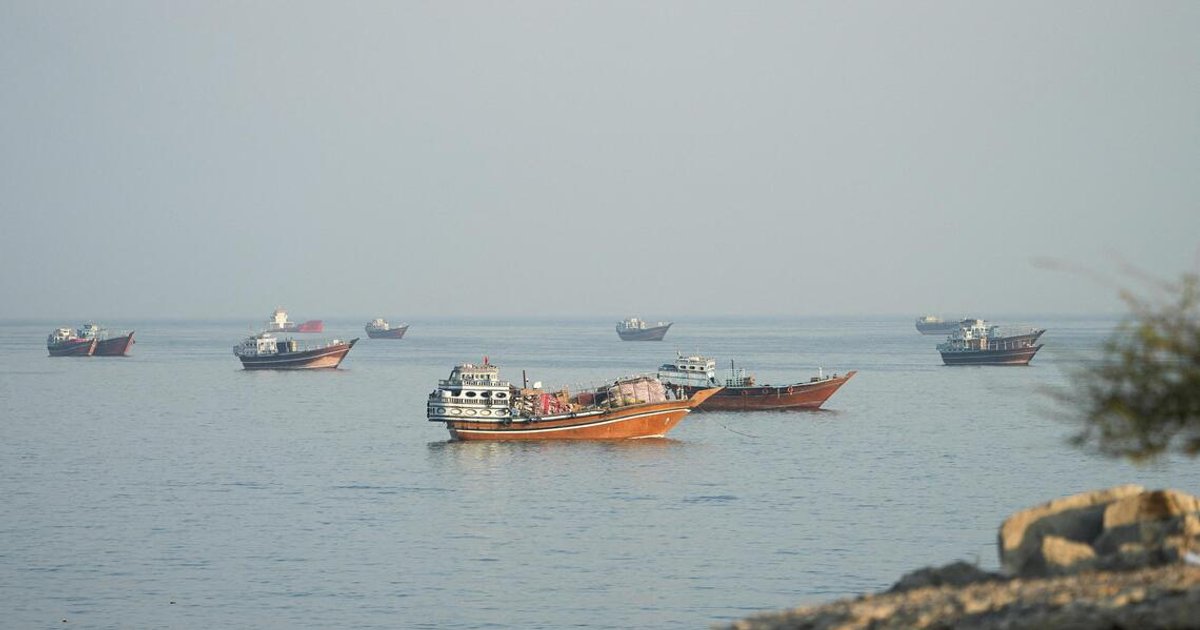
First, Iran has been escalating its naval attacks, likely in response to increased flows through the Strait of Hormuz.
asserted
Iran → escalate → Hormuz
Notably, two UAE-owned cargo ships, the GFS Pride and the Cape Dao, were struck in the Strait as part of this sharp uptick.
asserted
ships → own → uptick
Secondly, diplomatic efforts appear to have hit a wall.
asserted
efforts → appear → wall
In late September, Trump rejected the proposal Tehran had put forward on the sidelines of the U.N. General Assembly: an end to fighting on all fronts, including Lebanon; the lifting of the U.S. naval blockade and oil sanctions; the release of some of Iran’s frozen assets; and the reopening of Hormuz within seven days.
asserted
Tehran → reject → days
Instead, Washington insists that Iran must take steps regarding its nuclear program as part of the package, something Iranian leaders say they will only do at a later stage.
asserted
they → insist → stage
The timing of any U.S.-Israeli attack remains uncertain.
asserted
timing → remain → attack
While Trump has said he will not resume attacks before the midterms, Israel held its election on Oct. 27, a week earlier, and Prime Minister Benjamin Netanyahu had reportedly sought renewed fighting before both elections.
uncertain
Netanyahu → say → elections
American and Israeli objectives may differ, of course.
uncertain
objectives → differ → course
Trump appears to want something he can portray as a spectacular military victory without having to undergo another prolonged war, while Netanyahu’s rhetoric about “finishing the job” suggests more ambitious goals, potentially including toppling the Islamic Republic.
uncertain
rhetoric → appear → Republic
Tehran seems to be preparing for either scenario with its own response: a prolonged, region-wide war designed to impose devastating economic costs.
asserted
Tehran → seem → costs
Denying Trump a short war
The dominant perspective in Tehran is that the next war must be fought in a way that makes it so costly that a future U.S. president would not contemplate another.
asserted
president → deny → another
Hossein Mohebbi, a spokesperson for the Islamic Revolutionary Guard Corps (IRGC), said in late September that Iran “will not stop until we have driven the United States out of the region, punished the aggressor, and established permanent deterrence so that no one will dare attack Iran.
asserted
one → say → Iran
That logic, should it prevail, rules out a symbolic, tit-for-tat exchange.
asserted
it → prevail → exchange
In Tehran’s view, a limited American strike on Pickaxe Mountain, the fortified nuclear site near Natanz that Trump has repeatedly evoked, followed by a limited Iranian response, would send Washington precisely the wrong message: that it can attack Iran’s nuclear facilities, register domestic political gain, and pay a limited, acceptable cost.
asserted
it → fortify → cost
Iranian officials have therefore warned that even a symbolic, non-lethal strike would trigger a broad response, denying Trump the quick exit he may have asked of his war planners.
uncertain
he → warn → planners
Under this scenario, Iran would target regional energy and economic infrastructure.
asserted
Iran → target → energy
“In a region where we cannot sell oil, no one will sell oil,” Ghalibaf has warned.
asserted
Ghalibaf → sell → oil
The UAE is particularly exposed: Mohsen Rezaei, secretary of the Supreme National Security Council, has accused it of oil “smuggling” in cahoots with U.S. Central Command (CENTCOM).
asserted
Rezaei → expose → Command
Rezaei also identified new potential targets: undersea cables, data centers, and AI infrastructure in the region, which he claims are worth “more than $2 trillion.”
uncertain
he → identify → region
Ghalibaf subsequently extended the threat to regional governments and investors, threatening that anyone providing “funding, equity, land, or energy” to AI companies that “facilitate military aggression” against Iran “will face coercive action.”
asserted
that → extend → action
If raising the cost of war is the first instrument in Iran’s calculus, duration is the second.
asserted
duration → raise → calculus
Ali Balali, an adviser to the IRGC’s Aerospace Force commander, suggested Iran would conserve its arsenal in preparation for a prolonged confrontation, rather than expend it early.
uncertain
Iran → suggest → it
Two days later, Iranian Army spokesperson Mohammad Akraminia argued that the enemy’s weak point is a prolonged war.
asserted
point → argue → ?
Iranian military officials have increasingly mentioned the possibility of striking first, preemptively.
asserted
officials → mention → possibility
Akraminia stated that if Iran were to conclude that an attack by the U.S. and/or Israel is imminent, “we will certainly engage in preemptive warfare.”
asserted
we → state → warfare
Mehdi Mohammadi, strategic affairs adviser to Parliament Speaker Mohammad Bagher Ghalibaf, went further, arguing that a successful strategy requires not only striking first but also delivering a decisive blow capable of “changing the balance.”
asserted
strategy → go → balance
There is thus at least the possibility that Iran might move early, and then fight long.
uncertain
Iran → be → ?
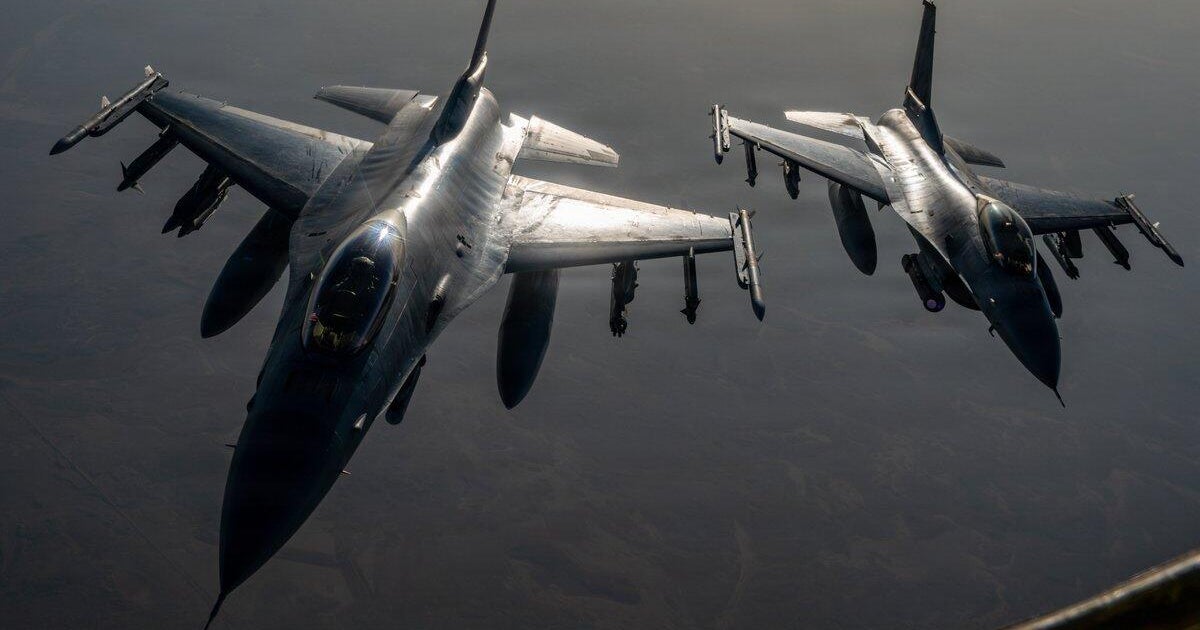
That could occur due to miscalculation resulting from ambiguous American and Israeli signals: leaked strike plans, carrier and amphibious deployments, and aircraft approaching but not entering Iranian airspace.
uncertain
That → occur → airspace
Military experts in Iran see this pattern as an effort to normalize military activity and regain the element of surprise.
asserted
experts → see → surprise
Tehran could thus mistake military signaling for an imminent attack and strike preemptively, even though it may not want another round of war.
uncertain
it → mistake → war
The fourth element concerns the range of those Tehran would hold responsible in the event of an attack.
asserted
Tehran → concern → attack
…and 30 more, not listed.
 The Aporia