Dementia has accounted for more than 10% of all deaths for the first time, while the number of people dying from asthma is at decade-high levels, new data published by the Australian Bureau of Statistics (ABS) reveals.
asserted
data → account → Statistics
Of these, 19,019 deaths were caused by dementia, including Alzheimer’s disease, the ABS deaths data released on Tuesday shows.
asserted
data → cause → Tuesday
It has been the leading cause of death in Australia since 2024.
asserted
It → lead → 2024
The other leading causes of death in 2025 were ischaemic heart diseases, cerebrovascular diseases (such as stroke), lung cancer and chronic respiratory diseases.
asserted
causes → lead → stroke
Dementia Australia’s chief executive, Prof Tanya Buchanan, said there was an urgent need to act on dementia, given it was a leading public health issue.
asserted
it → say → dementia
“The data underlines the critical need for more recognition and funding to support people living with dementia, their families and carers,” Buchanan said.
asserted
Buchanan → underline → dementia
There are an estimated 446,500 Australians currently living with dementia, and a further 1.7 million people involved in their care, she said.
asserted
she → be → care
“Despite the growing impact of dementia, investment in specific services, supports and prevention have not kept the same pace, and the stigma that surrounds dementia continues,” she said.
asserted
she → grow → dementia
“This needs to change.”
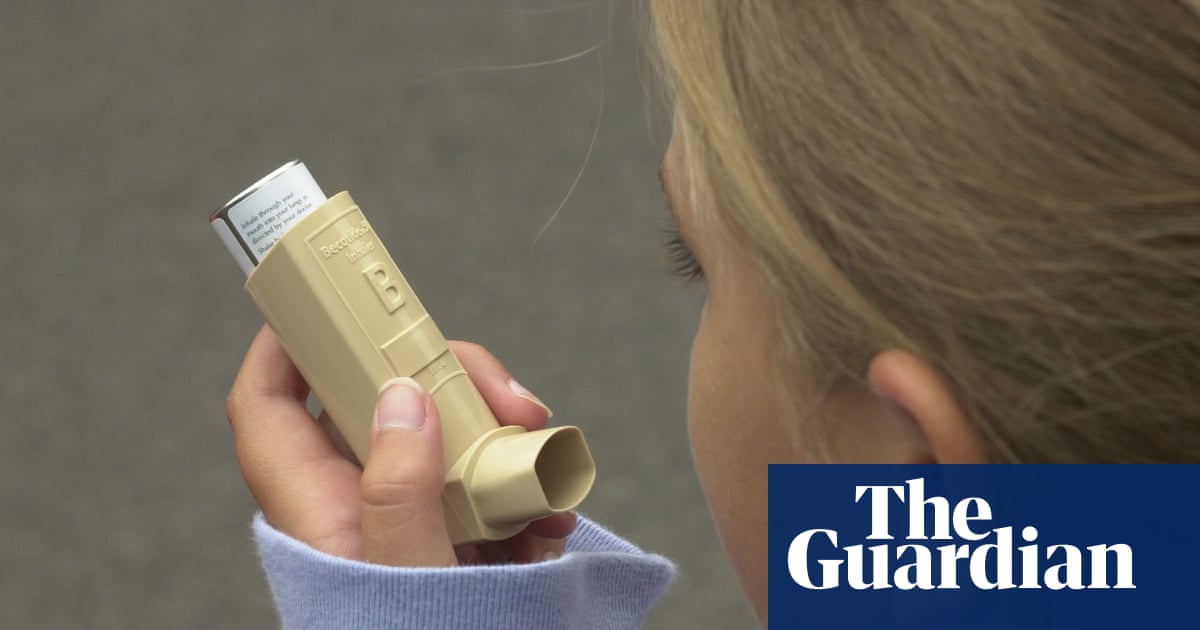
The data also revealed the highest number of asthma deaths recorded in a decade.
asserted
data → need → decade
There were 484 Australians who died from asthma in 2025, up from 478 deaths in 2024.
asserted
who → be → 2024
Women account for almost two-thirds of asthma deaths, and almost two-thirds of all dementia deaths.
asserted
Women → account → deaths
Asthma Australia’s CEO, Kate Miranda, said poorly controlled asthma increases the risk and is a preventable reason behind many asthma-related deaths.
asserted
asthma → say → deaths
“We have effective treatments and clear clinical guidelines, yet too many Australians are not getting the care they need to stay well,” she said.
asserted
she → have → care
Research has found the proportion of adults with well-controlled asthma has been falling, with many using little or no preventer treatment.
asserted
many → find → treatment
Adherence among those using inhaled corticosteroids was also worsening, Miranda said.
asserted
Miranda → use → corticosteroids
Too many people only used asthma-reliever medications, and rely on it for their symptoms.
asserted
people → use → symptoms
“But it doesn’t treat the underlying inflammation,” Miranda said.
asserted
Miranda → treat → inflammation
“People, especially those with mild cases, think ‘it’s just asthma’, so they don’t get regular checkups and talk to their GP about their medication.
asserted
they → think → medication
People might take preventer medication on high pollen days or when they have a cold, but then they don’t take it otherwise.”
uncertain
they → take → it
She said people should be aware that asthma guidelines have shifted to recommend anti-inflammatory reliever (Air) therapy, an anti-inflammatory that also treats symptoms.
asserted
that → say → symptoms
“People, especially older Australians, are still using medications they had as a child without being aware guidelines have changed and better options exist,” Miranda said.
asserted
Miranda → use → child
Drug-induced deaths also remained a public health issue in 2025, rising to 2,063 deaths from 2,007 deaths in 2024.
asserted
deaths → induce → 2024
The ABS’s head of mortality statistics, Lauren Moran, said while opioids and benzodiazepines continue to be the most common drug classes involved in these deaths, there has been substantial growth in people dying after using stimulants, including methamphetamine.
asserted
opioids → say → methamphetamine
Suicide remained the leading cause of premature death for both males and females in 2025, with men accounting for almost three-quarters of these deaths.
-
In Australia, support is available at Beyond Blue on 1300 22 4636, Lifeline on 13 11 14, and at MensLine on 1300 789 978
asserted
support → remain → 978
 The Aporia