That is 0 articles you have read today.
The Aporia is free and carries no advertising, so readers are the only
thing paying for it. If you are getting this much out of it, a small
donation is what keeps it independent.
Daily limit reached
You have read 0 articles today.
That is more than the 15 a day The Aporia gives away,
and well past what it can carry on nothing. Your allowance resets at
midnight.
There is no advertising here and nothing about you is sold, so readers
are the only thing paying for it. If the site is worth this much of
your day, it is worth a few dollars.
Everything else stays open: the
maps, the
directory and
search do
not count against this, and neither does re-opening something you have
already read today.
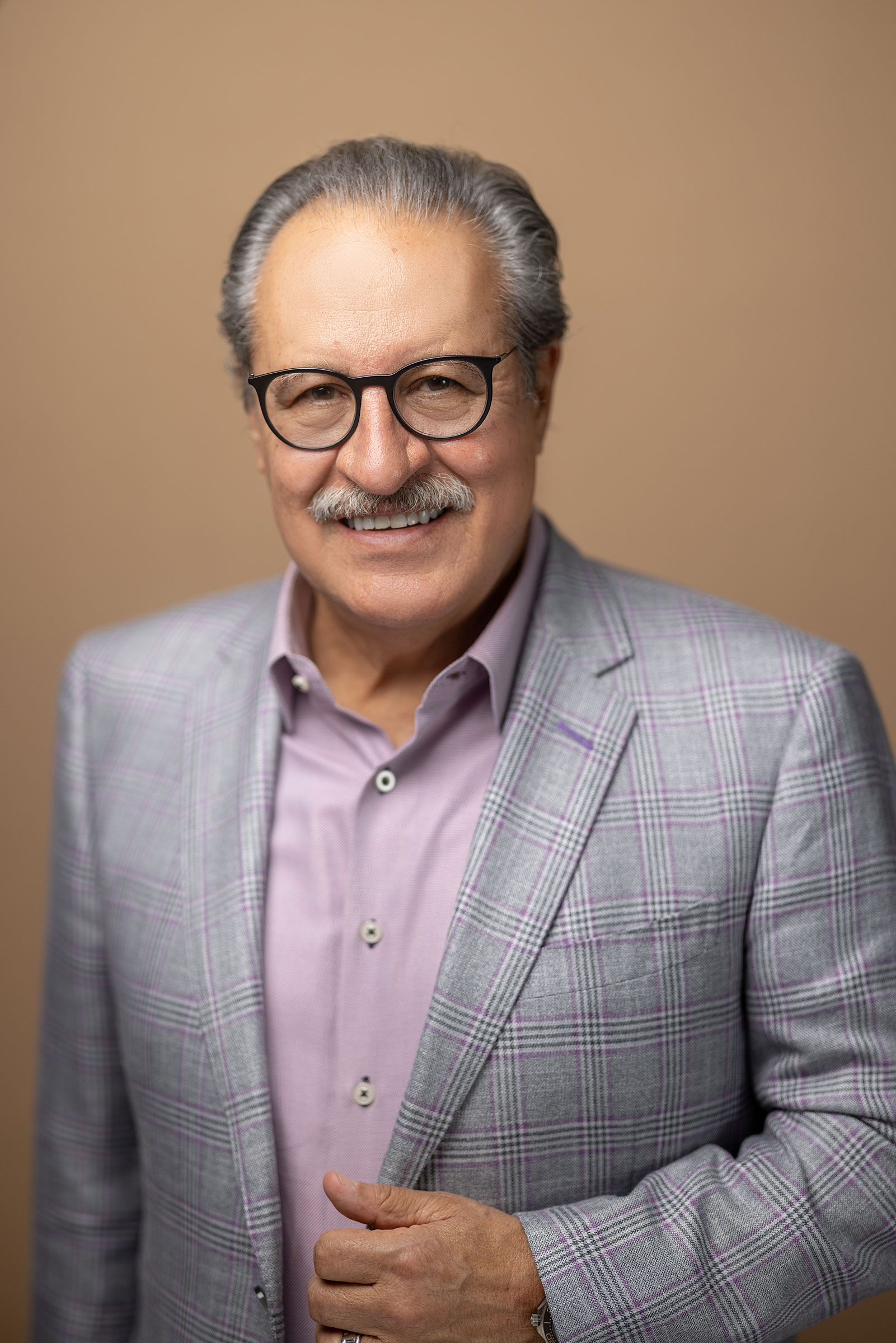
Cástulo de la Rocha founded his career at the East LA Barrio Free Clinic in 1977 when he became its first employee after moving back from law school in Berkeley. Over five decades, he transformed this small clinic into AltaMed Health Services, a major provider now employing approximately 10,000 people and serving around 700,000 patients annually across about 2 million visits. De la Rocha credits the early activists for inspiring his lifelong commitment to affordable healthcare in underserved communities.
Written by the local model on 2026-09-16,
using this article's own text rather than the other coverage of the
same event (that is the story summary below).
Claims extracted
13
claim-shaped sentences
Uncertain
15%
2 of 13 hedged
Leaning
Leans left
of the writing, not the subject
Correction & hedging signals
94.7
corrections and hedging in what we collected;
not a measure of accuracy
Outlets on this story
1
Health
Narrative spread
1
articles carrying this framing
Story summary
Cástulo de la Rocha, who immigrated to East LA from Chihuahua, Mexico, at age 10, arrived at the East LA Barrio Free Clinic in 1977 after law school. He became the clinic’s first employee and saw long lines of Latino patients waiting for free medical care provided by volunteer physicians. De la Rocha expanded the small clinic over five decades into AltaMed Health Services, now a major healthcare provider in southern California and the nation's largest nonprofit Federally Qualified Health Center, addressing critical health needs within underserved communities.
Written for “Cástulo de la Rocha's Healthcare Empire” on 2026-09-15,
grounded in this article and the 0 other(s) covering the same event.
Why this leaning score
The article's own words the score was based on. Each is quoted
verbatim and was checked against the article text before being
stored, so you can find it in the original.
Leaning score -0.35 for article 10930 (medium confidence, 1 verified quote) · logged 2026-09-16
When Cástulo de la Rocha arrived at the East LA Barrio Free Clinic in 1977, he had just moved back from Berkeley, where he’d gone to law school.
asserted
he → arrive → school
“I pulled up in my old beat-up Volkswagen.
asserted
I → pull → Volkswagen
I had long hair for sure, holes in my pants and things like that.
asserted
I → have → that
So a very typical hippie,” he recalls.
asserted
he → recall → ?
At the clinic, started by activists to provide free health care in Spanish to the Latino community, “I saw long lines of people waiting to get a number—a ticket early in the morning, so that they may see a volunteer physician at 4:30, 5:00 in the afternoon,” he says.
uncertain
he → start → afternoon
De la Rocha, who was born in Chihuahua, Mexico, and immigrated to East LA when he was 10 years old, was just a few years out of college and there to be the group’s first employee.
asserted
he → bear → college
Whether he’d still have a job after the first three months depended on whether he, as executive director, could drum up funding.
uncertain
he → depend → funding
For the next five decades, that’s what he did, as the small clinic expanded into what is now known as AltaMed Health Services, a major provider of health care in southern California and the nation's largest nonprofit Federally Qualified Health Center.
asserted
what → ’ → California
Today, de la Rocha is CEO and president, and he estimates that AltaMed employs about 10,000 people and serves 700,000 patients over about 2 million visits annually.
asserted
AltaMed → estimate → visits
Throughout his time at AltaMed, he has remained inspired by the energy and vision of the clinic’s founders and board members, who were young activists in their early 20s passionate about social justice.
asserted
who → remain → justice
“They said we can make a difference,” he says.
asserted
he → say → difference
“There was a need for health care, and as long as we kept our doors open, continued to support the community, people kept coming.
asserted
people → be → community
AltaMed is a very different organization, but we’ve never forgotten our roots and our commitment to the community.”
asserted
we → forget → community
 The Aporia