Taiwan looks to autonomous swarms to counter Beijing’s grey-zone pressure

Read the original at South China Morning Post ↗
Cite

Chung, L. (2026, October 27). Taiwan looks to autonomous swarms to counter Beijing’s grey-zone pressure. South China Morning Post. https://www.scmp.com/news/china/military/article/3372189/taiwan-looks-autonomous-swarms-counter-beijings-grey-zone-pressure

Dated from the outlet's own feed. Check the original for its byline.

South China Morning Post · collected 2026-10-27 · by Lawrence Chung

Quick Summary

Taiwan is developing autonomous drone swarms to counter military pressure from China. The country recently received its first American-made V-BAT drones for training purposes. Researchers at National Cheng Kung University successfully conducted simulations involving two fleets of 20 drones each, showcasing advancements in AI and swarm-control technologies using three types of US-manufactured VTOL fixed-wing drones: JUMP 20, V-BAT, and Flexrotor.
Written locally by qwen2.5:14b on 2026-10-27, using this article's own text rather than the other coverage of the same event (that is the story summary below).

AI analysis runs on qwen2.5:14b, locally

Story summary

Taiwan is developing autonomous drone swarms to counter Beijing's strategic pressure, focusing on integrating US-made vertical take-off and landing drones into coordinated groups. On Monday, the country's National Cheng Kung University completed a simulation involving two fleets of 20 drones, marking a shift from individual control to swarm coordination using AI and flight dynamics technology. The project centers on three types of VTOL fixed-wing drones: JUMP 20, V-BAT, and Flexrotor. This initiative underscores the importance Taiwan places on advanced drone training and technology in its defense strategy against grey-zone tactics employed by China.
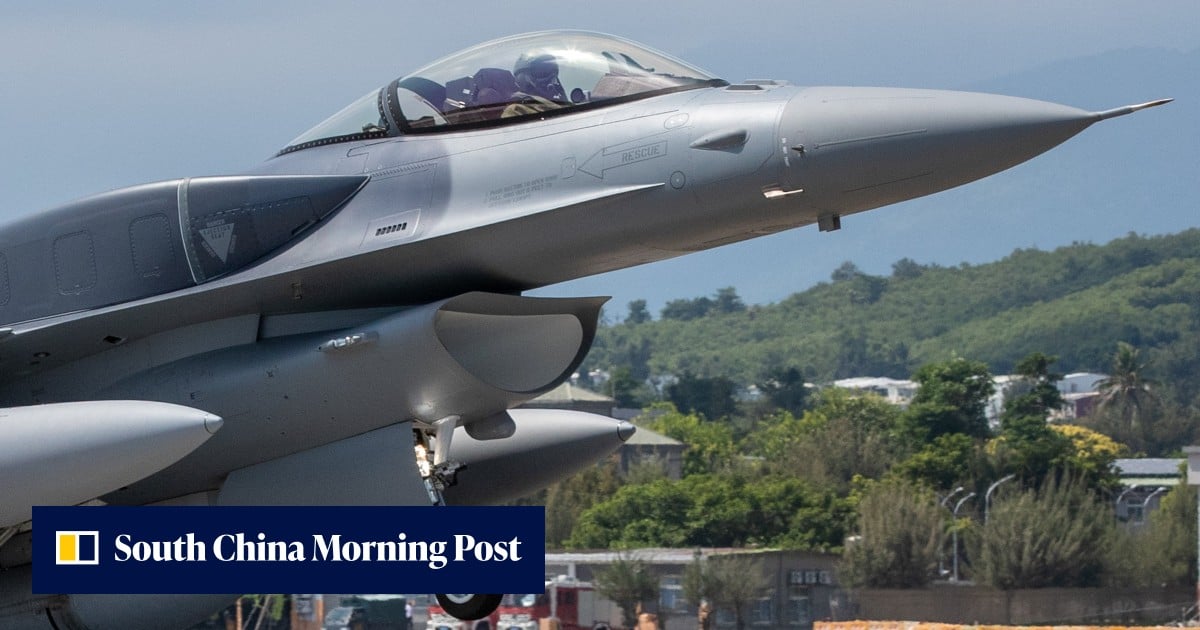
Written for “Taiwan's Defense Strategy Updates” on 2026-10-27, grounded in this article and the 0 other(s) covering the same event.
Why this leaning score
This article does not take a side on a contested political question, so it has no leaning score. That is an answer rather than a gap: a match report or a rescue can be warmly or critically written without being left or right, and scoring it anyway is how approval of a subject gets recorded as a political position.
No political leaning scored for article 109123 · logged 2026-10-27

Story

📰 Taiwan's Defense Strategy Updates
Politics · 1 article(s) covering the same event.

Compared with similar articles

Nothing to compare against. No article is close enough to this one for the pipeline to have linked or judged the pair.
How this article was measured signals, leaning charts, publisher record, byline, topics and claims

Signals How these are calculated →

Claims extracted
1
sentences that state something as happening or true
Uncertain
0%
0 of 1 hedged ("reportedly", "may", "according to")
Leaning
not political
takes no side on a contested political question
Publisher signals
64/100
South China Morning Post's corrections and hedging, across everything collected from it. Not a measure of accuracy.
Outlets on this story
1
Politics
Same framing elsewhere
1
articles that frame the event the way this one does
Analyzed 2026-10-27 · how these are computed

How this is being covered How these are calculated →

Article leaning vs. publisher reliability
Source leaning vs. consistency

Publisher

South China Morning Post · 3138 article(s) · 6 correction(s) detected
Running correction rate · 6 correction(s)

Who wrote this

Lawrence Chung
17 article(s) here · 0 carrying a prediction
🔮 Under the plan, pilots could serve until 58 – up from about 48 for lieutenant colonels and 52 for colonels – extending their current service limits of 26 and 30 years, respectively.
🔮 How Taiwan’s military manpower shortage is undermining its ability to fight Concerns are mounting over its ability to recruit elite troops and whether it will be able to operate its new US equipment
🔮 Move would mark a key upgrade in military ties but sparks domestic concern over budget growth and loss of strategic autonomy According to Taiwanese media reports at the weekend, the Pentagon plans to send one official from the Office of the Under Secretary of Defence for Policy and one expert from the Institute for Defence Analyses (IDA) to work on a long-term basis at the defence ministry’s headquarters in Taipei.
🔮 Taipei’s dilemma over history deepens with Xi-Trump praise of WWII Flying Tigers Taiwan’s ruling party uneasy that what could have been a valuable historical connection with the US has ended up benefiting Beijing’s ties Trump described China and the US as World War II allies and praised the Flying Tigers – a unit of American military personnel who helped defend mainland China against Japanese air attacks – while Xi recalled the two countries fighting “side by side” against Japanese militarism.
🔮 The programme is expected to cost NT$27.59 billion, with NT$7.3 billion allocated this year through a supplementary budget.
🔮 Two years ago, 49 per cent believed the US would send troops to help defend Taiwan, compared with 42 per cent who thought it would not.
🔮 How will Beijing receive most senior Taiwan official to attend Apec events this year?
🔮 Taiwanese defence minister says exchanges with the US are ‘even more extensive than you might imagine’
🔮 Taiwan’s opposition parties split over mayoral race, threatening 2028 election alliance
🔮 Extra funds push Taiwan’s defence spending past NT$1 trillion for the first time The island’s cabinet approves supplementary budget, with heavy investment in missiles, drones and classified programmes Taiwan’s cabinet approved a supplementary defence budget of NT$145.7 billion (US$4.6 billion) on Thursday, pushing the island’s total defence-related spending for this year above NT$1 trillion for the first time. The additional funding is expected to raise this year’s overall defence spending from 3.32 per cent of gross domestic product (GDP) to about 3.83 per cent, the highest level in decades.
Also by Lawrence Chung
Nothing else under this byline is closely related to this article, so these are simply their most recent.
All 17 articles by Lawrence Chung →

Topics

American Beijing National Cheng Kung University Taiwan V-BAT

Subjects

Taiwan GPE · 2× American NORP · 1× Beijing GPE · 1× National Cheng Kung University ORG · 1×

Narrative

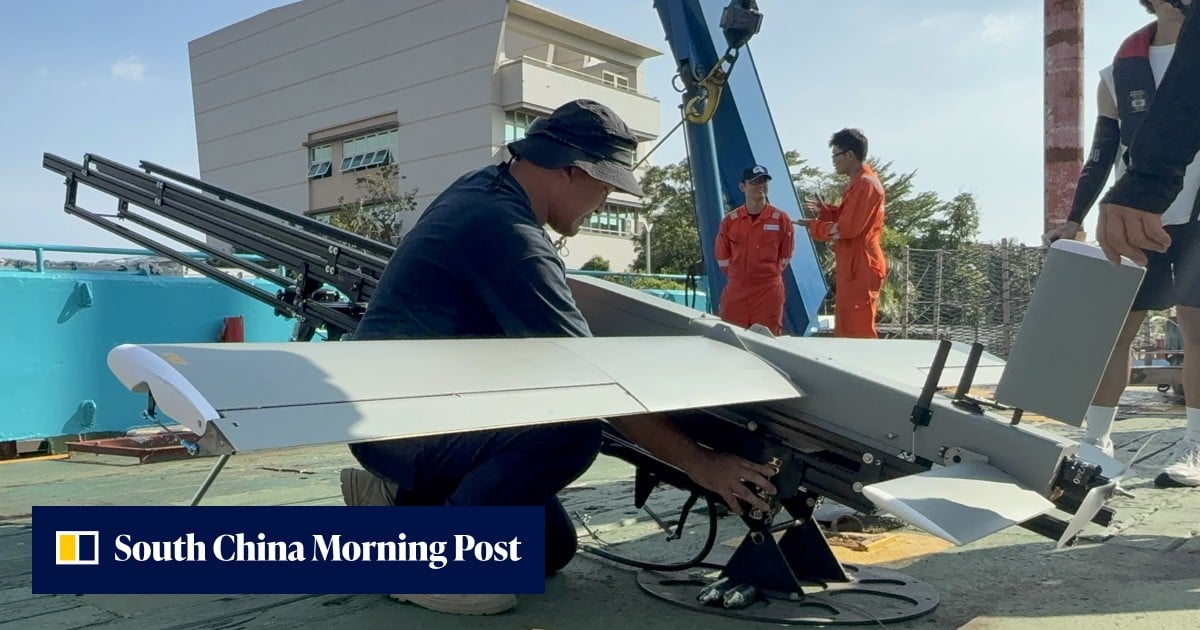
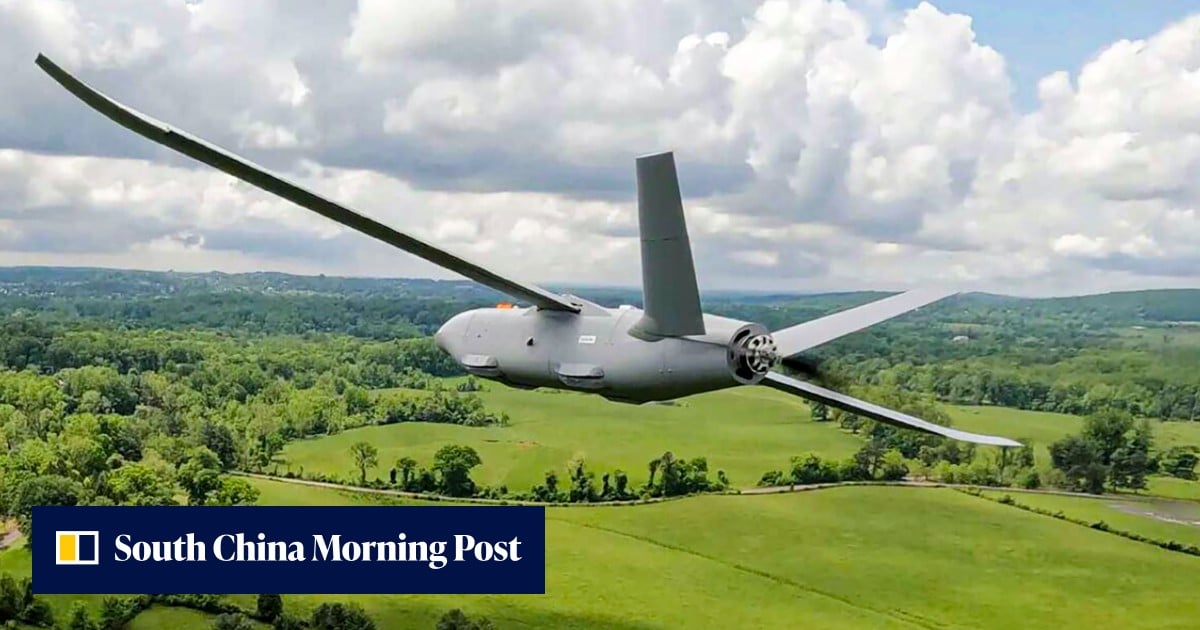
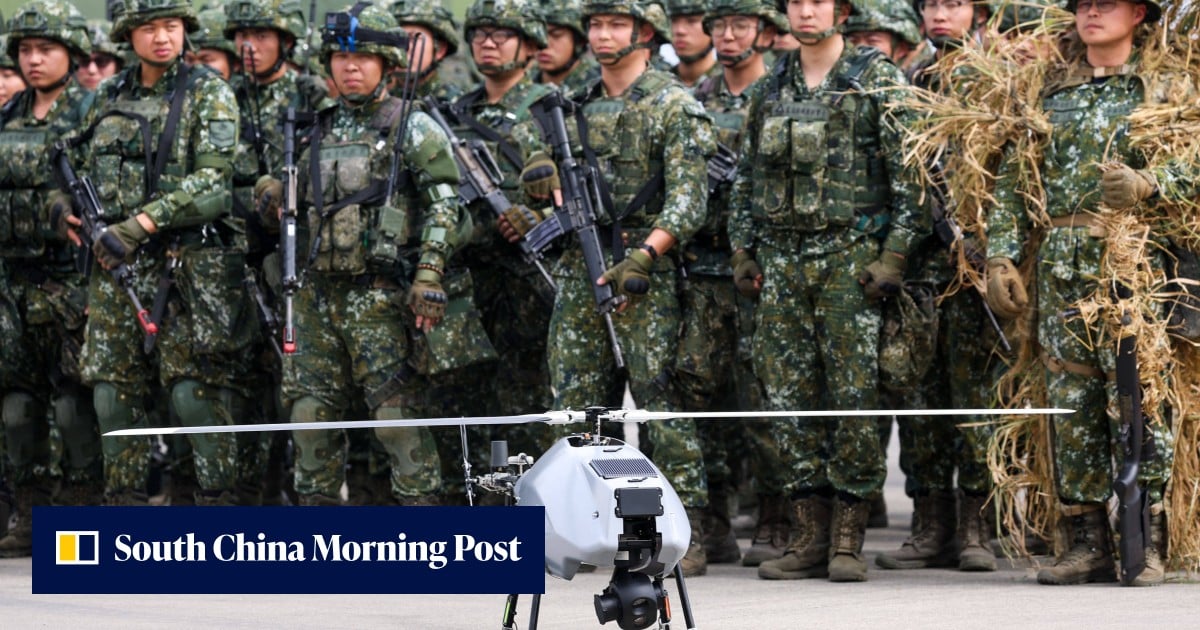
Taiwan looks to autonomous swarms to counter Beijing’s grey-zone pressure In unveiling first American V-BAT delivery, minister says drone training and effective use of technology ultimately matter The council said on Monday that a research team led by Taiwan’s National Cheng Kung University had completed simultaneous flight simulations involving two fleets comprising 20 drones, marking a shift from controlling individual aircraft to coordinating multiple groups. The early-stage project focuses on three US-made vertical take-off and landing (VTOL) fixed-wing drones – the JUMP 20, V-BAT and Flexrotor – and integrates artificial intelligence (AI), flight dynamics and swarm-control technologies.
framing: assertive · carried by 1 article(s) · first seen 2026-10-27
2026-10-27 · South China Morning Post
Taiwan looks to autonomous swarms to counter Beijing’s grey-zone pressure · assertive framing

Claims (1 extracted, 0 hedged)

Taiwan looks to autonomous swarms to counter Beijing’s grey-zone pressure In unveiling first American V-BAT delivery, minister says drone training and effective use of technology ultimately matter The council said on Monday that a research team led by Taiwan’s National Cheng Kung University had completed simultaneous flight simulations involving two fleets comprising 20 drones, marking a shift from controlling individual aircraft to coordinating multiple groups. The early-stage project focuses on three US-made vertical take-off and landing (VTOL) fixed-wing drones – the JUMP 20, V-BAT and Flexrotor – and integrates artificial intelligence (AI), flight dynamics and swarm-control technologies. asserted
project → look → intelligence
💬Give feedback
🕘History 🎫Support