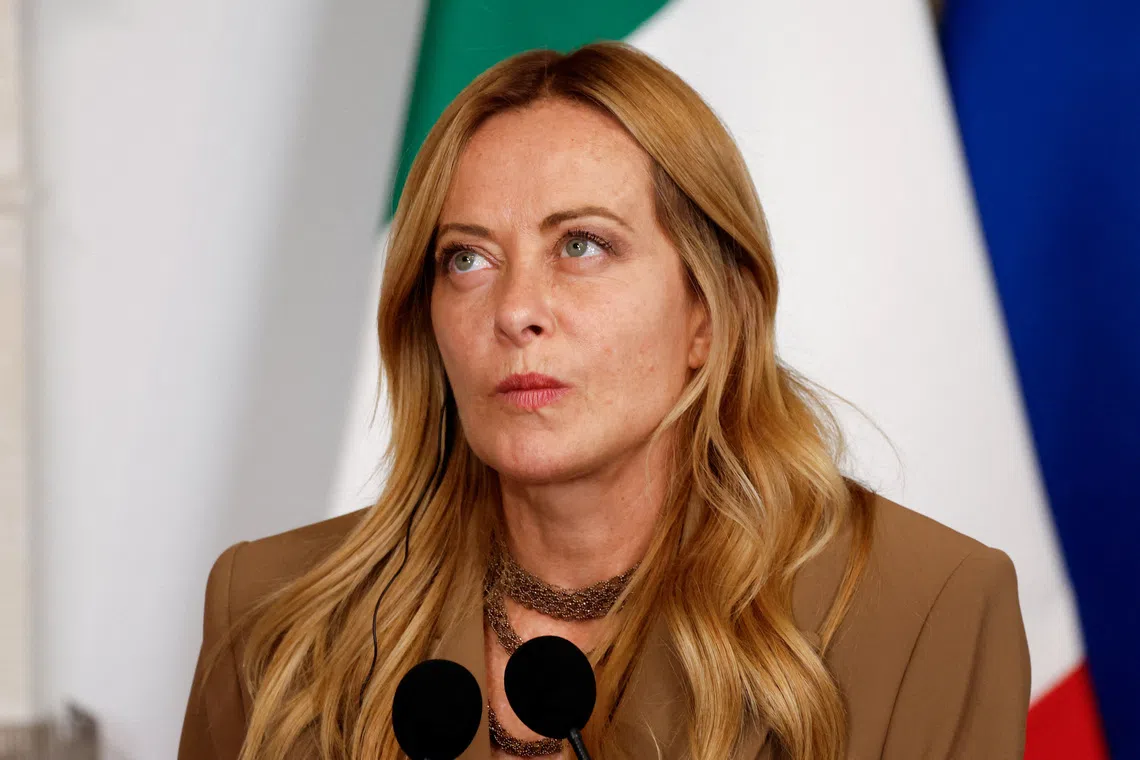
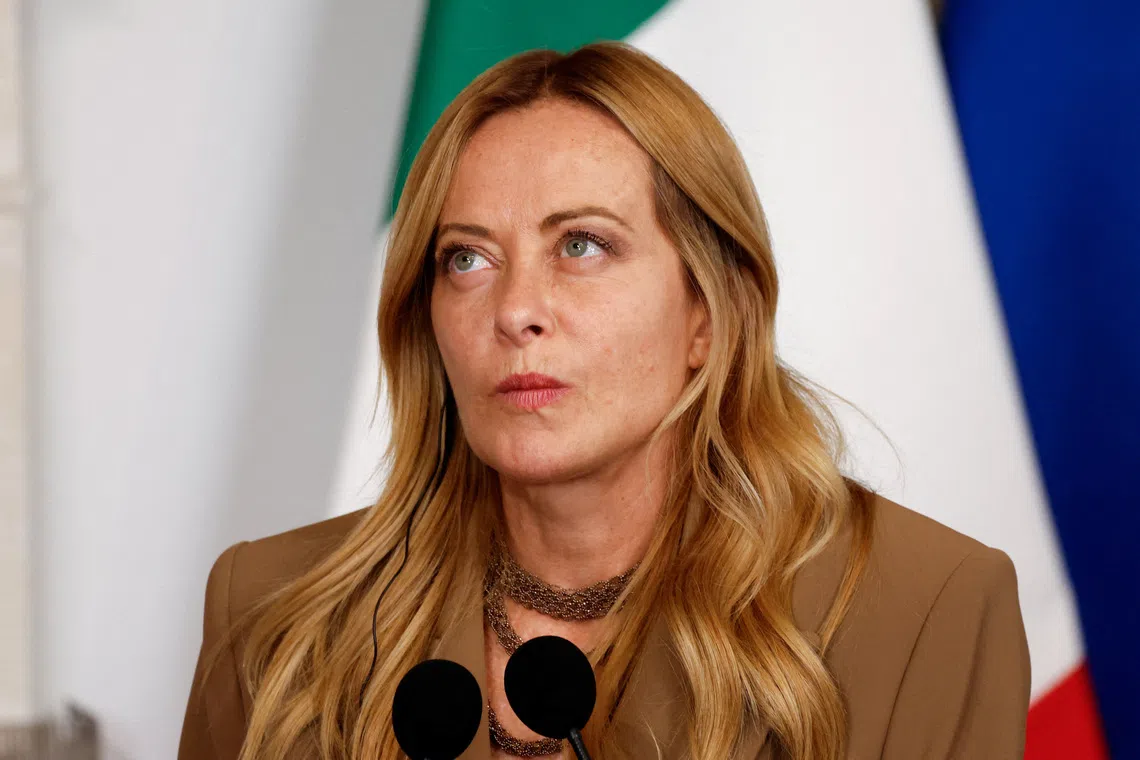
The Italian Senate approved Prime Minister Giorgia Meloni's proposed electoral reform on September 15 by a vote of 113 to 71, despite strong opposition. The measure would replace Italy’s current mixed system with fully proportional representation, ensuring a parliamentary majority for any alliance winning over 42% of the vote. Critics, including former Prime Minister Matteo Renzi, argue that Meloni is altering the rules to secure her re-election next year. The bill must still pass through the Chamber of Deputies before becoming law.
Written by the local model on 2026-09-16,
using this article's own text rather than the other coverage of the
same event (that is the story summary below).
Story summary
On September 15, the Italian Senate approved Giorgia Meloni's proposed electoral reform by a vote of 113 to 71, facing strong opposition from rivals who accuse her of changing the rules to benefit her conservative coalition in future elections. The coalition, which includes Brothers of Italy, the League, and Forza Italia, supports a fully proportional voting system that would ensure any alliance winning more than 42% of the vote obtains a parliamentary majority. Critics argue this reform undermines political competition by abolishing first-past-the-post constituencies, currently seen as favorable to the center-left opposition. Meloni's government claims the changes will promote stability in Italy, known for frequent governmental turnovers; her administration is now the longest-lasting since World War II. The bill still requires final approval from Italy’s lower house before becoming law.
Written for “Italian Electoral Reform Passes” on 2026-09-17,
grounded in this article and the 0 other(s) covering the same event.
Why this leaning score
The article's own words the score was based on. Each is quoted
verbatim and was checked against the article text before being
stored, so you can find it in the original.
-
The measure still needs final approval from Italy's lower house.
left implies opposition to the reform
-
"This isn't about stability. You're doing it because you believe that there is a risk you will lose the next election," said former prime minister Matteo Renzi, leader of the Italia Viva party.
left criticizes Meloni's motives
-
"No to the fraud law."
left opposes the reform as fraudulent
Leaning score -0.35 for article 10788 (medium confidence, 3 verified quotes) · logged 2026-09-16
Italian Senate clears Meloni's electoral reform amid opposition resistance
ROME, Sept 15 -
asserted
Senate → clear → resistance
A contested reform of Italy's electoral law won Senate approval on Tuesday amid fierce opposition criticism, as rivals accused Prime Minister Giorgia Meloni of changing the rules to improve her chances of winning re-election next year.
asserted
rivals → contest → election
Meloni's conservative coalition, including Brothers of Italy, the League and Forza Italia, has put forward a fully proportional voting system that would guarantee a parliamentary majority to any alliance winning more than 42% of the vote.
asserted
that → include → vote
The measure still needs final approval from Italy's lower house.
asserted
measure → need → house
Under the current system, most lawmakers are elected through proportional representation, while a third are chosen in first-past-the-post constituencies that analysts say may favour the centre-left opposition.
uncertain
analysts → elect → opposition
The reform would abolish these.
asserted
reform → abolish → these
The coalition said the reform, approved by 113 votes to 71, would ensure political stability in a country notorious for short-lived governments.
asserted
reform → say → governments
Meloni took office in 2022 and this month became the leader of Italy's longest-lasting administration since World War Two.
asserted
Meloni → take → War
You're doing it because you believe that there is a risk you will lose the next election," said former prime minister Matteo Renzi, leader of the Italia Viva party.
asserted
Renzi → do → party
LAW GOES BACK TO LOWER HOUSE
asserted
LAW → go → HOUSE
After the vote, centre-left senators waved red and yellow placards bearing the slogan: "No to the fraud law."
asserted
senators → wave → law
The reform's initial approval in the lower house in July was overshadowed by a setback for Meloni.
asserted
approval → overshadow → Meloni
Her proposal to reintroduce preferential voting — which allows voters to pick their preferred candidates from party lists — was narrowly defeated in a secret ballot due to defections within the ruling coalition.
asserted
voters → reintroduce → coalition
That vote exposed strains within the alliance ahead of an election due next year, fuelling perceptions that Meloni's grip on the coalition may be weakening at a time when the centre-left holds a narrow lead in the polls.
uncertain
left → expose → polls
Rather than drop the measure, Meloni, who has long supported preferential voting, brought it back to the Senate, which approved it.
asserted
which → drop → it
Because the reform was amended, it must now return to the Chamber of Deputies, or lower house, for a final vote.
asserted
it → amend → vote
Some politicians suggest the new law could benefit Meloni's opponents, who could surpass the 42% threshold and secure the majority bonus, while a new far-right party, National Future, steadily erodes support for her conservative coalition.
uncertain
party → suggest → coalition
Meloni has rejected the suggestion she might make an electoral pact with National Future, but polls say such a tie-up would give them a clear lead over the centre-left bloc.
uncertain
up → reject → bloc
The reform would also require each alliance to name its candidate for prime minister before the election, a provision that is deepening tensions among the leaders of the fractious opposition parties.
asserted
that → require → parties
"That could prove problematic for the centre-left, potentially forcing an early leadership contest and exposing divisions that could weaken the bloc," said Rado Fonda, of pollster SWG.
uncertain
Fonda → prove → SWG
 The Aporia