None of the
men and women placed in a three-story hotel in a remote, coastal area of this West African country are Liberian citizens.
asserted
men → place → country
, they hail from countries throughout Latin America — including Brazil, Colombia,
, Honduras and Venezuela — as well as other African countries, like Cameroon and Eritrea.
asserted
they → hail → Cameroon
They were deported to
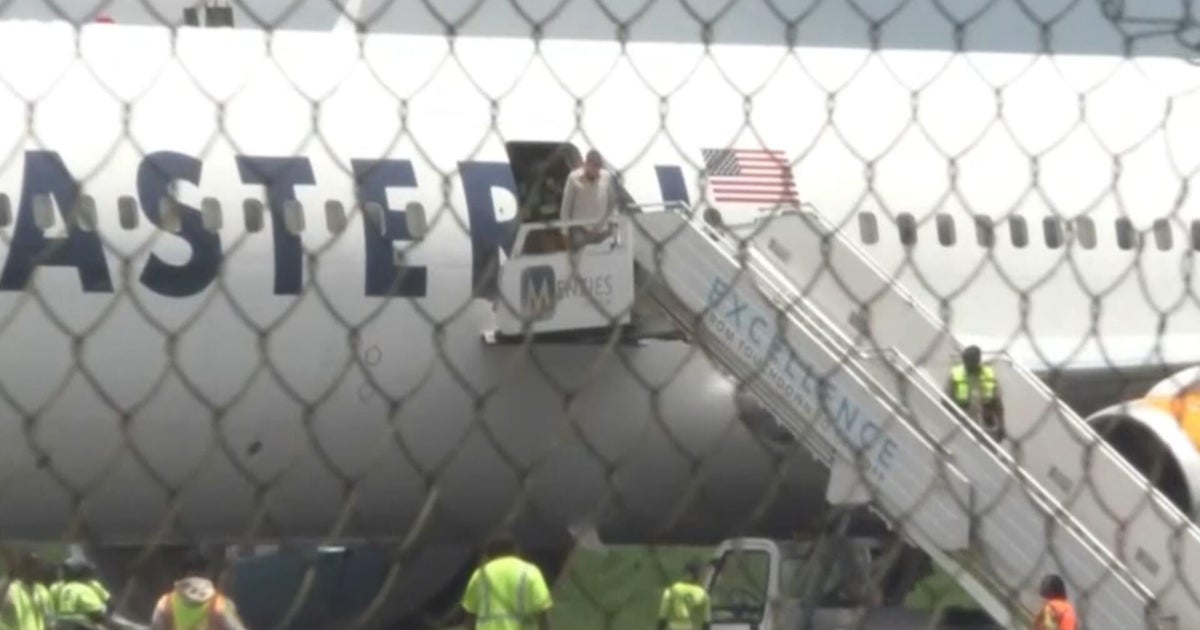
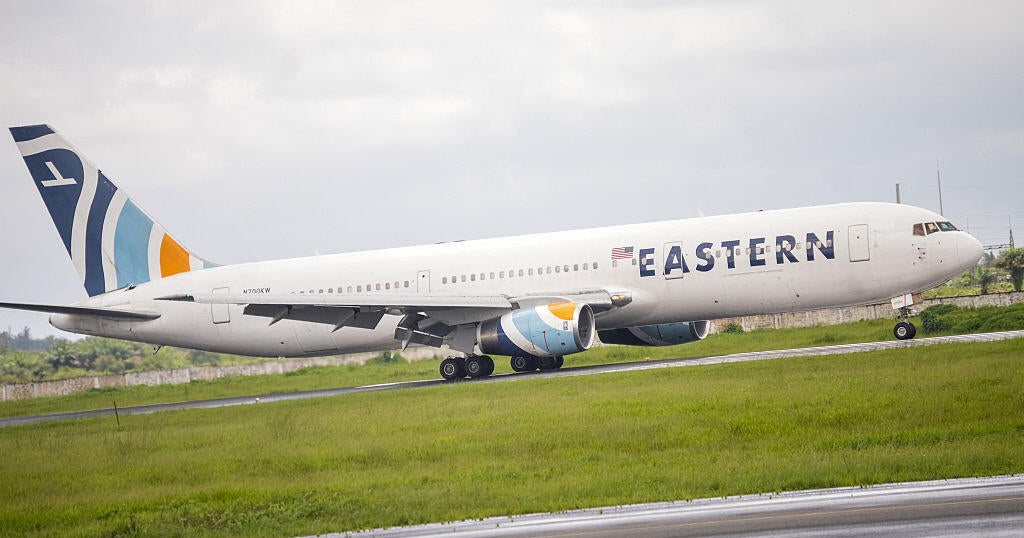
, Africa's oldest republic, last month by U.S. immigration officials as part of an intensifying tactic in President Trump's aggressive crackdown on illegal immigration: sending some deportees to where they have no ties.
asserted
they → deport → ties
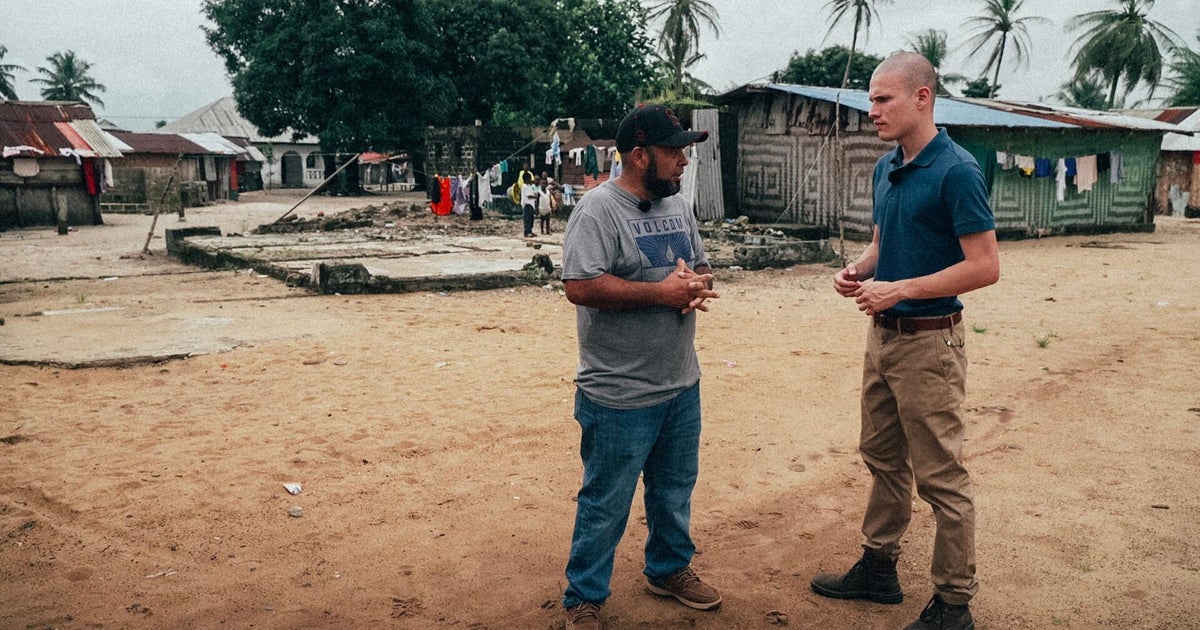
CBS News tracked down the deportees in Liberia, becoming the first U.S. television network to speak to them in person.
asserted
News → track → person
They described being in limbo and feeling stateless, unable to return to the U.S., where many have spouses and children, and scared of being persecuted if they go back to their homelands.
asserted
they → describe → homelands
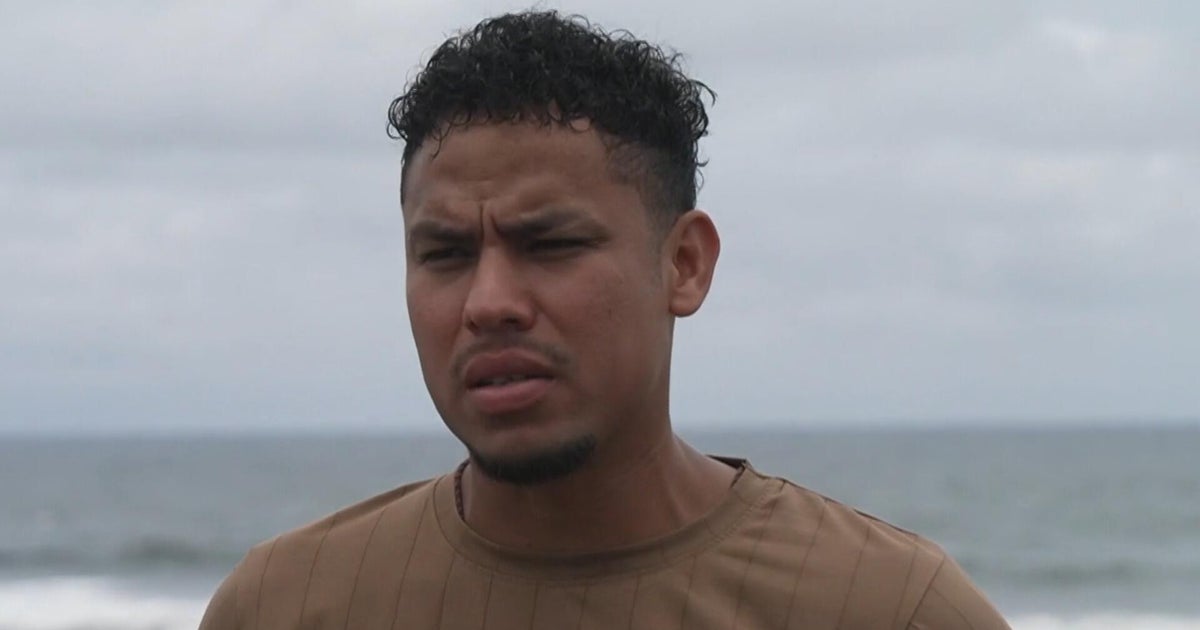
"I'm concerned," Honduran native Elvis Rodriguez Venturas told CBS News.
asserted
Venturas → tell → News
"I feel far away, on the other side of the world."
asserted
I → feel → world
Rodriguez Venturas said his four children, two of whom are U.S. citizens, ask him every day when he's coming back to Texas, where he worked in construction.
asserted
he → say → construction
Rodriguez Venturas entered the U.S. illegally, but his deportation to Honduras was barred by an immigration judge who found he could be harmed there.
uncertain
he → enter → judge
He said he had been using that protection to work in the U.S. legally before his detention.
asserted
he → say → detention
In fact, most of the deportees who agreed to be interviewed won legal protections in American immigration courts, preventing U.S. Immigration and Customs Enforcement from deporting them to their home countries because of concerns they could be persecuted or tortured there.
But under the Trump administration's zero-tolerance posture to illegal immigration, those with such cases are being targeted for
, as they still lack a valid permanent immigration status, despite their limited legal protections.
uncertain
they → agree → protections
The deportees said they were not notified by ICE that they would be removed to Liberia, or given the chance to challenge their deportation to West Africa.
asserted
they → say → Africa
"Honestly, I had never heard of Liberia," Colombian immigrant Arin Garcia Yepes told CBS News.
asserted
Yepes → hear → News
"I didn't even know it existed," said Rodriguez Venturas, the Honduran deportee.
asserted
Venturas → know → ?
Brazilian immigrant Paola Ferreira Dos Santos, the only woman among the Latin American deportees in Liberia, said she only learned where she had been deported to when the deportation flight landed in Monrovia on Aug. 20.
asserted
flight → say → Aug.
"I was the first to get off the plane, and they said, 'Welcome to Liberia.
asserted
they → get → Liberia
You're in Africa,'" the 21-year-old told CBS News in Portuguese.
asserted
old → tell → Portuguese
While Trump administration officials often say their deportation blitz is primarily focused on hardened criminals they call the "worst of the worst," CBS News obtained the names of those sent to Liberia last month, and could not find a criminal charge or conviction for the vast majority, beyond immigration violations like entering the U.S. illegally.
uncertain
News → say → U.S.
In a statement to CBS News, the Department of Homeland Security said those in the U.S. illegally could opt to self-deport and receive a $3,000 stipend the administration has been offering.
uncertain
administration → say → stipend
"The Trump Administration is utilizing all lawful options to carry out the largest deportation operation in history, just as President Trump promised," the department added.
asserted
department → utilize → history
The State Department has repeatedly declined to provide detailed information on the "third-country" deportation deals, saying in a statement that it had "no comment on the details of our diplomatic communications with other governments."
asserted
it → decline → governments
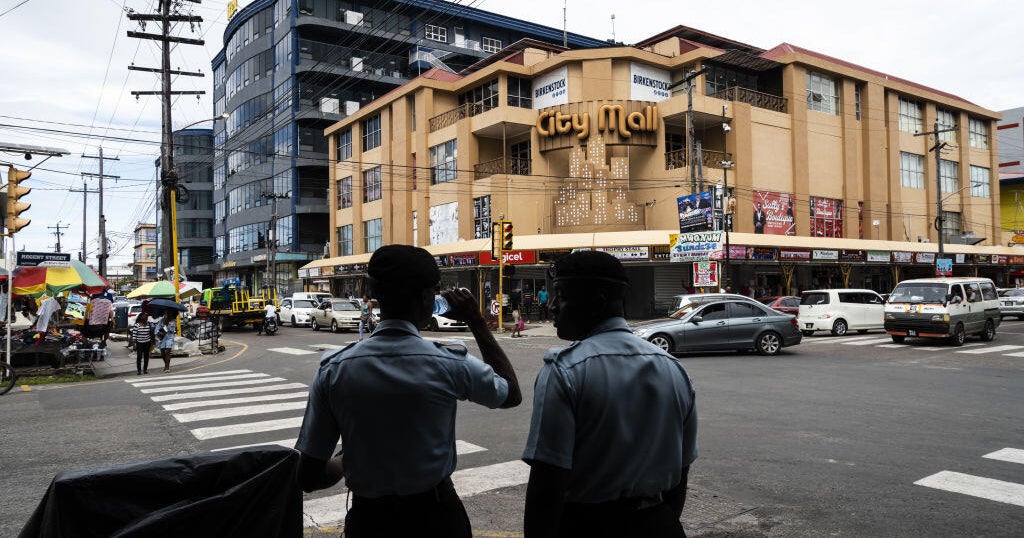
Liberia is a relatively small country bordering the North Atlantic that is roughly the size of Tennessee and home to more than 5 million people.
asserted
that → border → people
It was founded in the 19th century by freed American slaves.
asserted
It → found → slaves
Its capital, Monrovia, is named after U.S. President James Monroe.
asserted
capital → name → Monroe
In August, Liberia's government revealed it had agreed to receive up to 1,200 "third-country" deportees from the U.S., framing it as a humanitarian gesture.
asserted
it → reveal → gesture
So far, it has only received one group of deportees under the agreement, the Aug. 20 flight that brought 15 non-Liberians to Liberia.
asserted
that → receive → Liberia
The West African country joined more than 30 nations around the globe that have now agreed to such "third-country" deportations under pressure from the Trump administration.
asserted
that → join → administration
Many of the agreements have been brokered with African countries, including those beset by armed conflict, political crises and widespread poverty, like the Central African Republic and South Sudan.
asserted
Many → broker → Republic
While the Liberian government has said the "third-country" deportees can claim asylum in Liberia, none of the ones interviewed by CBS News expressed interest in staying in the West African nation permanently, citing poverty, the different culture there and their lack of work visas.
uncertain
none → say → visas
Unlike some African countries, such as the small kingdom of Eswatini, Liberia is not detaining the deportees it receives from the U.S. While they've been told not to venture too far outside the hotel for their own safety, the deportees are technically free to leave.
asserted
deportees → detain → safety
The United Nations' migration agency, the International Organization for Migration, has been providing the group with basic necessities.
asserted
agency → provide → necessities
But many still feel trapped.
asserted
many → feel → ?
Some are contemplating returning to their home countries or hoping that another third country agrees to welcome them.
asserted
country → contemplate → them
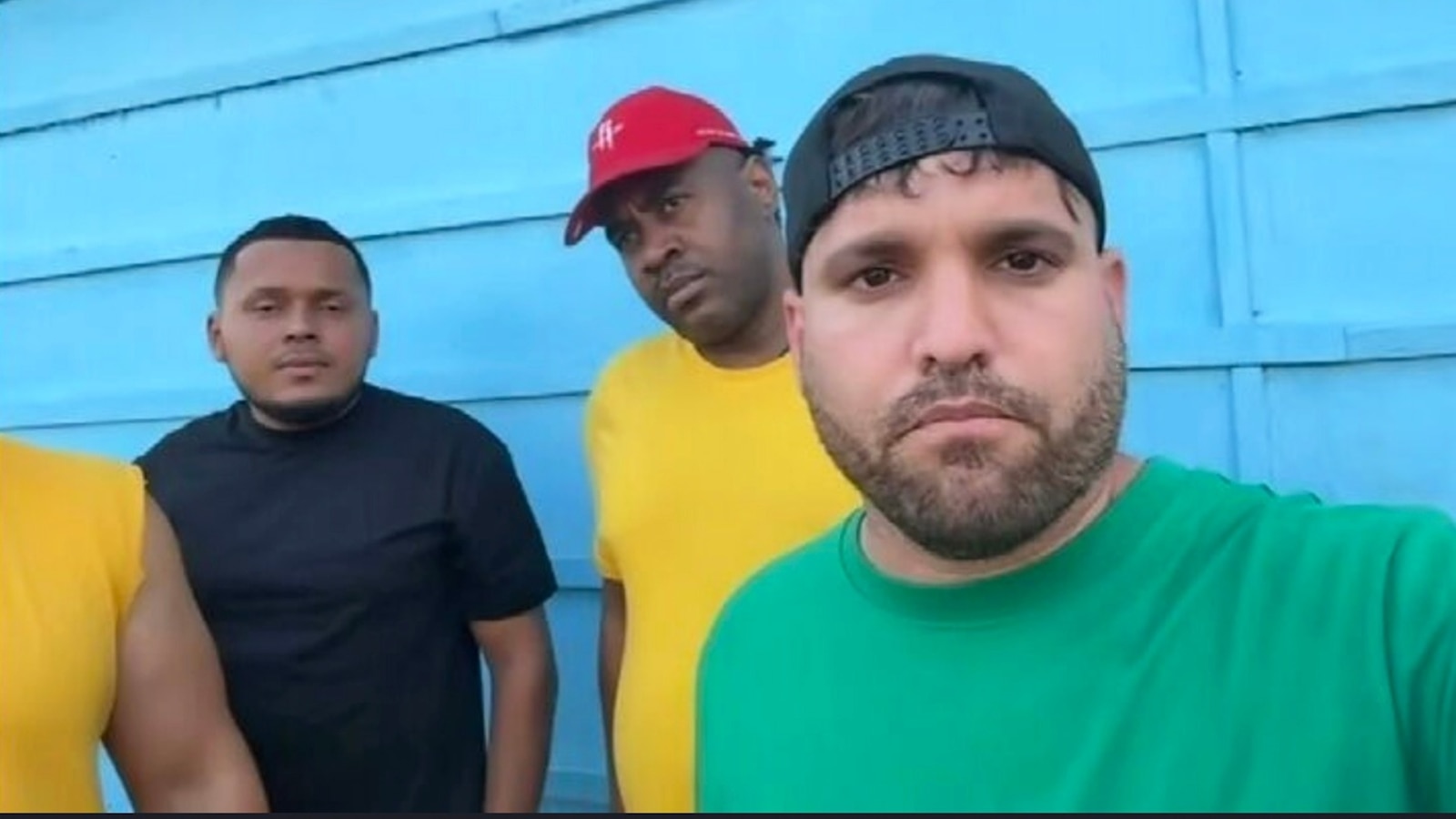
Venezuelan deportee Carlos Tellez Sanchez, who was selling cars and delivering food in the Dallas area before he was detained by ICE late last year, said he's stuck for now in Africa.
asserted
he → sell → Africa
His wife and their American-born baby remain in Texas.
asserted
wife → bear → Texas
"Returning to Venezuela is not an option for me," he said.
asserted
he → return → me
"I feel I could be in danger if I return to my home country."
uncertain
I → feel → country
Haitham Moussa, Jane Greely and Sam Brolan contributed reporting.
asserted
Moussa → contribute → reporting
 The Aporia