The Aporia
Lentz, N. (2026, October 26). Trump attacks El-Sayed over his faith, calls him "jihadist". CBS News. https://www.cbsnews.com/news/president-trump-port-huron-rally-republicans/
Lentz, Nicholas. “Trump attacks El-Sayed over his faith, calls him "jihadist".” CBS News, 26 Oct. 2026, https://www.cbsnews.com/news/president-trump-port-huron-rally-republicans/.
Lentz, Nicholas. “Trump attacks El-Sayed over his faith, calls him "jihadist".” CBS News, October 26, 2026. https://www.cbsnews.com/news/president-trump-port-huron-rally-republicans/.
Dated from the outlet's own feed. Check the original for its byline.
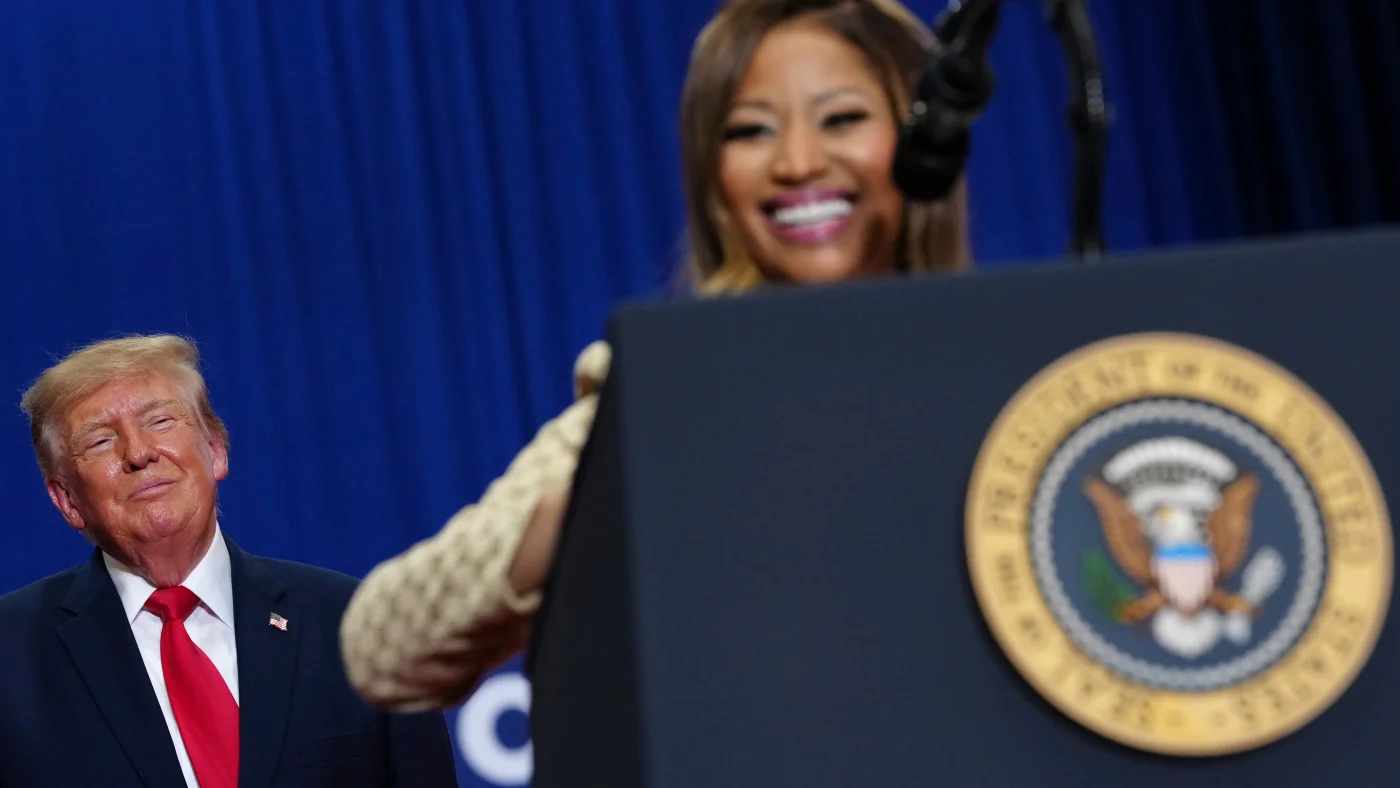
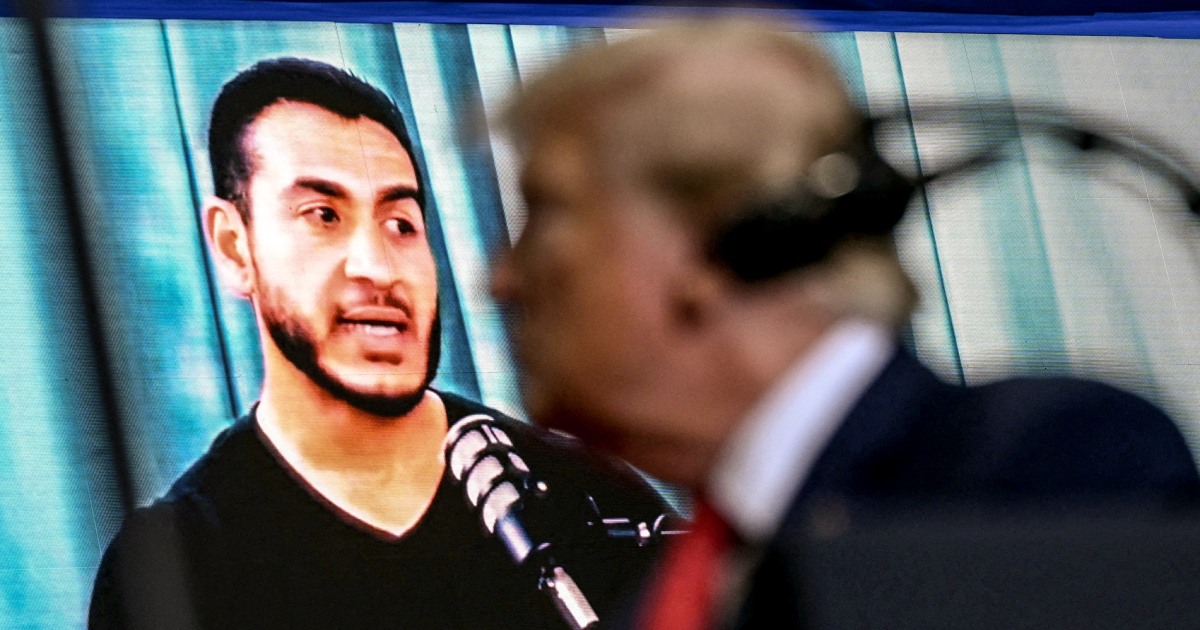
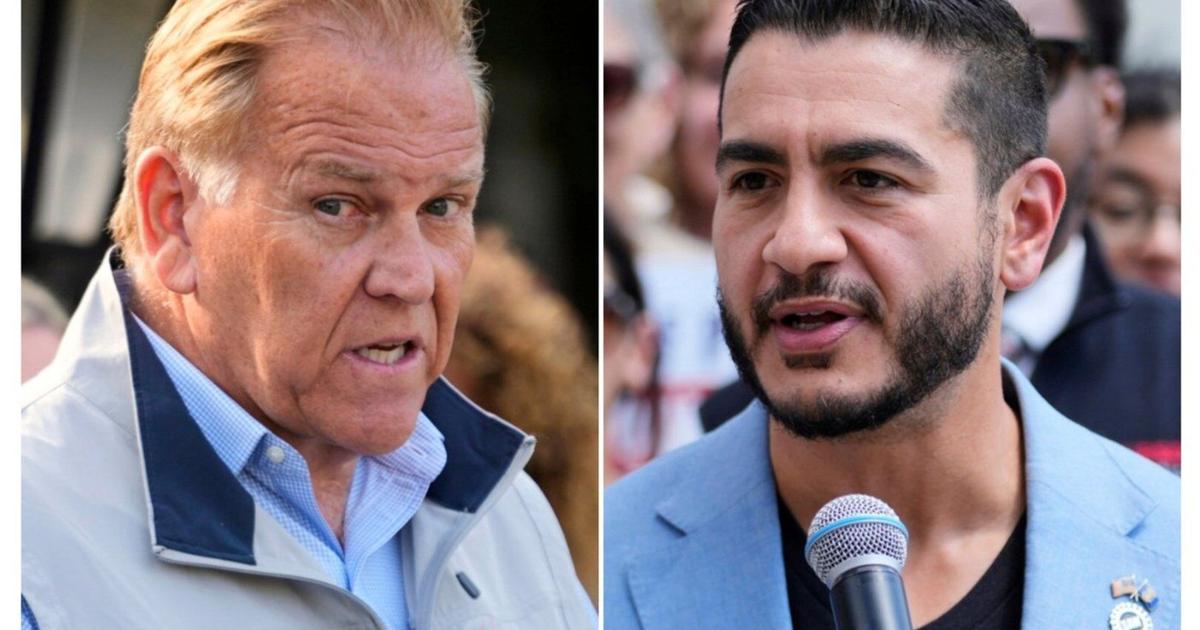
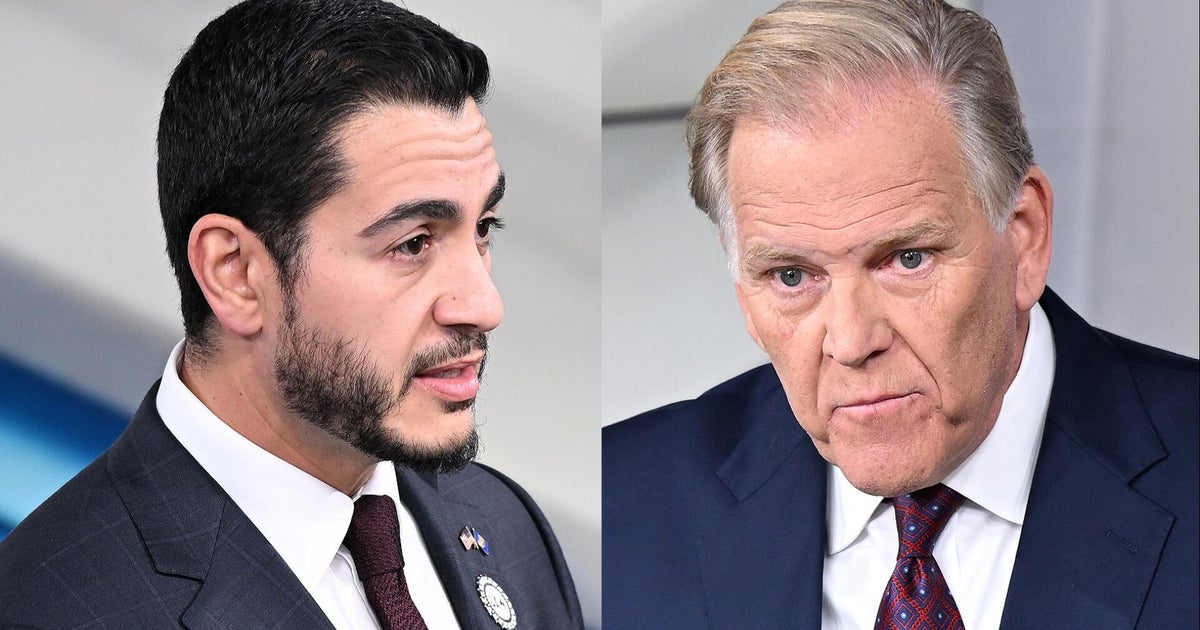
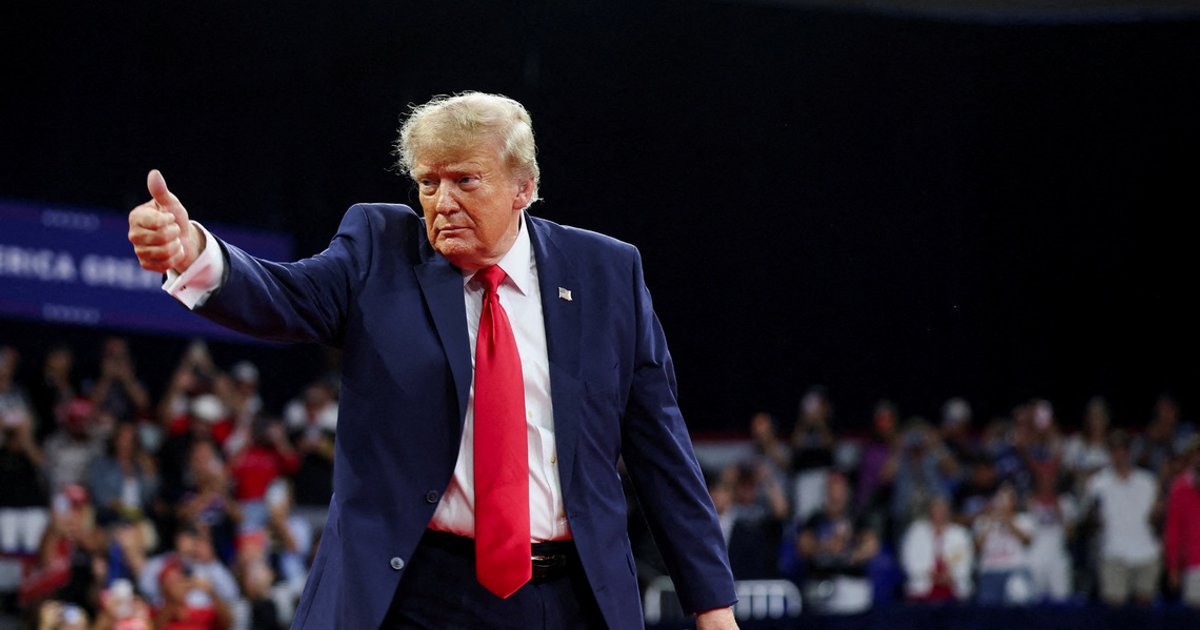
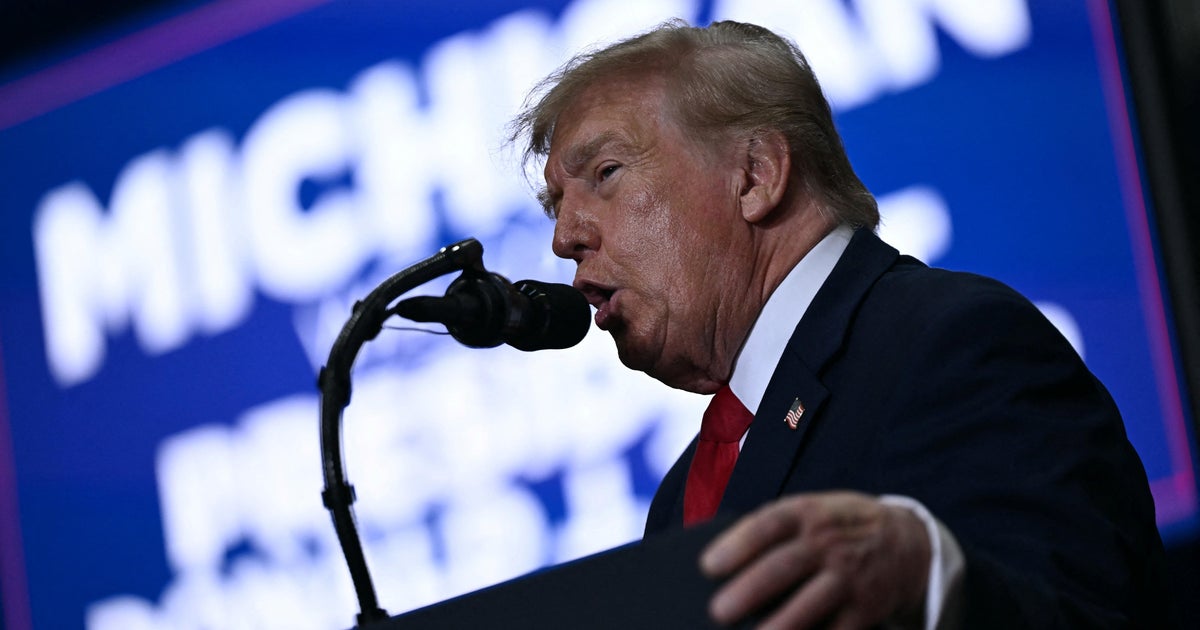
Trump called El-Sayed a "jihadist" who was "on the side of the terrorists," questioning his loyalty to the United States. He claimed El-Sayed would have to go through a metal detector before being allowed into the Senate, drawing comparisons between El-Sayed and the 9/11 hijackers. El-Sayed responded by mocking Trump's attacks, saying he would be "Sen. Mohammed" after winning the election in November. This exchange intensified during Trump's final campaign blitz ahead of the Nov. 3 midterm elections. Former Arab American allies condemned these remarks as shameful and a threat to national security. CBS News Detroit reached out to El-Sayed's campaign for comment on Trump's visit but had not heard back by publication time. NPR reported that Trump did not announce new economic handouts during his Michigan rally, focusing instead on repeating existing investments by domestic automakers. The attacks drew sharp rebukes from the Michigan Democratic Party and Arab American community leaders. Overall, these events highlighted increasing tensions over anti-Muslim rhetoric and its impact on the political landscape in Michigan ahead of critical midterm elections.